


In 1888, Fridtjof Nansen and five men crossed the Greenland icecap on skis. They hauled 400-kilogram sledges through blizzards, and slept in canvas tents at minus-40 degrees. They faced death daily for two months.
Nansen wrote book about this experience: Paa ski over Grönland. It quickly became a bestseller across Europe. And order for Norwegian made skis flooded in from Austria, Germany and Italy. Within a decade, European aristocrats and Alpine farmers alike were strapping wooden planks to their feet to ski.
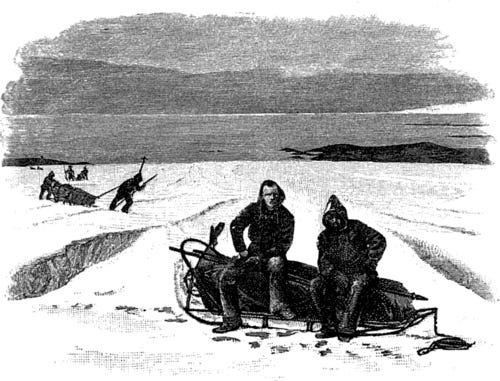
The skiing they discovered was not leisure activity, but a survival technology perfected over eight millennia.
The oldest known skis were found in Skellefteå, Sweden. Rock carvings near the White Sea from 2000 BCE show hunters on equal-length skis chasing game with bow and spear. And for the Sami, Finns, and Norwegians, skiing was how they moved through winter, hunted, survived.


Fast forward: by the 1890s, Alpine skiing had developed a dual character. On one hand, it was local farmers and innkeepers building rope tows for winter income. And on the other hand: European aristocracy with private ski guides, Swiss Retreats, and servants carrying their equipment up mountainsides.
Both classes existed in the same system. The farmer ran the lift and establishments, the aristocrat found his refuge. The mountain guides were locals, and his clients were Lords. A class hierarchy made functional.
Nowadays every account manager and Scrum master drives his Skoda to an apartment block that looks like a car park, to ride a heated six-person gondola, eat sloppy foods and calls it an ‘Authentic Alpine experience.’
This essay traces the origins of skiing from Arctic survival to mass-market consumption. And from Nansen’s Greenland crossing to Winterhalder’s waterwheel and the concrete brutalism of French purpose-built resorts. It shows how mass tourism destroyed both working-class authenticity and aristocratic experience.
Skiing as survival mechanism
The Sami used skis for reindeer herding, Finns for winter hunting, and Norwegian farmers for moving between isolated valleys when snow made roads impassable. One ski was long and smooth for gliding. The other shorter, covered in animal fur for grip whilst climbing.
It was not recreation, but teknē: Practical knowledge refined over millennia.
Fridtjof Nansen wrote about skiing as Norway’s most national and characteristic sport. No other nation practised skiing as Norwegians did.
When Roald Amundsen reached the South Pole in 1911, he did it on Norwegian skis. His British rival Robert Scott used motor sledges and ponies. Scott sadly died on the return journey. But Amundsen survived, since he understood how the Sami survived.
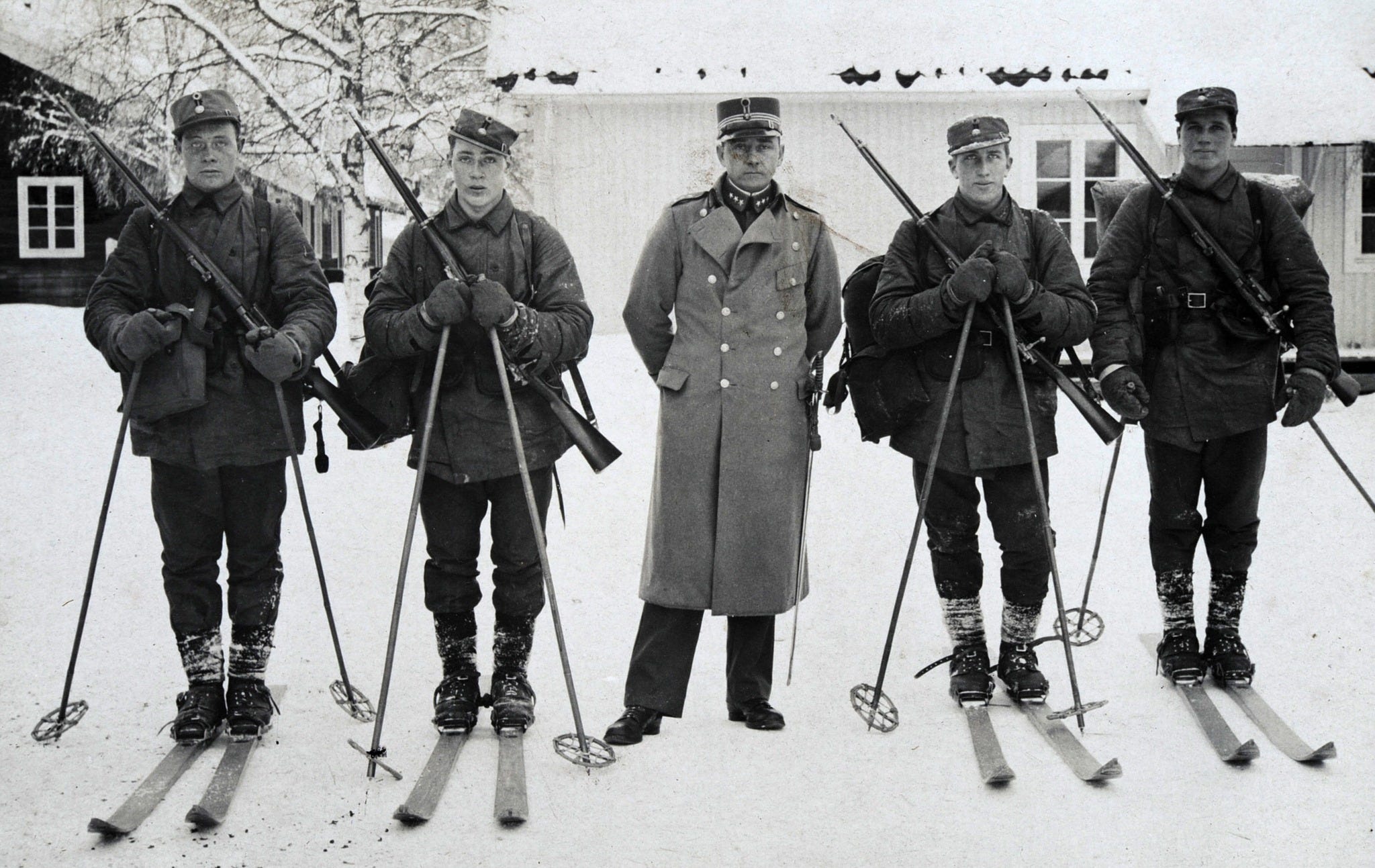
The Norwegian military formalised specialised skiing units by 1747, when Danish-Norwegian battalions were formed. Documents on military exercises from 1767 include downhill racing in rough terrain, target practice whilst skiing, and three-kilometre cross-country with full pack.
The Innkeeper’s Waterwheel
While skiing became more popular all over Europe, it was a matter of time until the first ski lift was invented. The inventor Robert Winterhalder was not an aristocrat. He was a simple farmer and innkeeper from Schollach, Germany, who owned a grain mill.
In 1908, spa guests started arriving at his family’s Schneckenhof guesthouse. Wellness tourism was growing. Rich city-dwellers suffering from asthma and tuberculosis seeked the fresh mountain air. It was designated as a Luftkurort. Yet due to guest’s breathing problems, climbing slopes to ski or sled exhausted them.
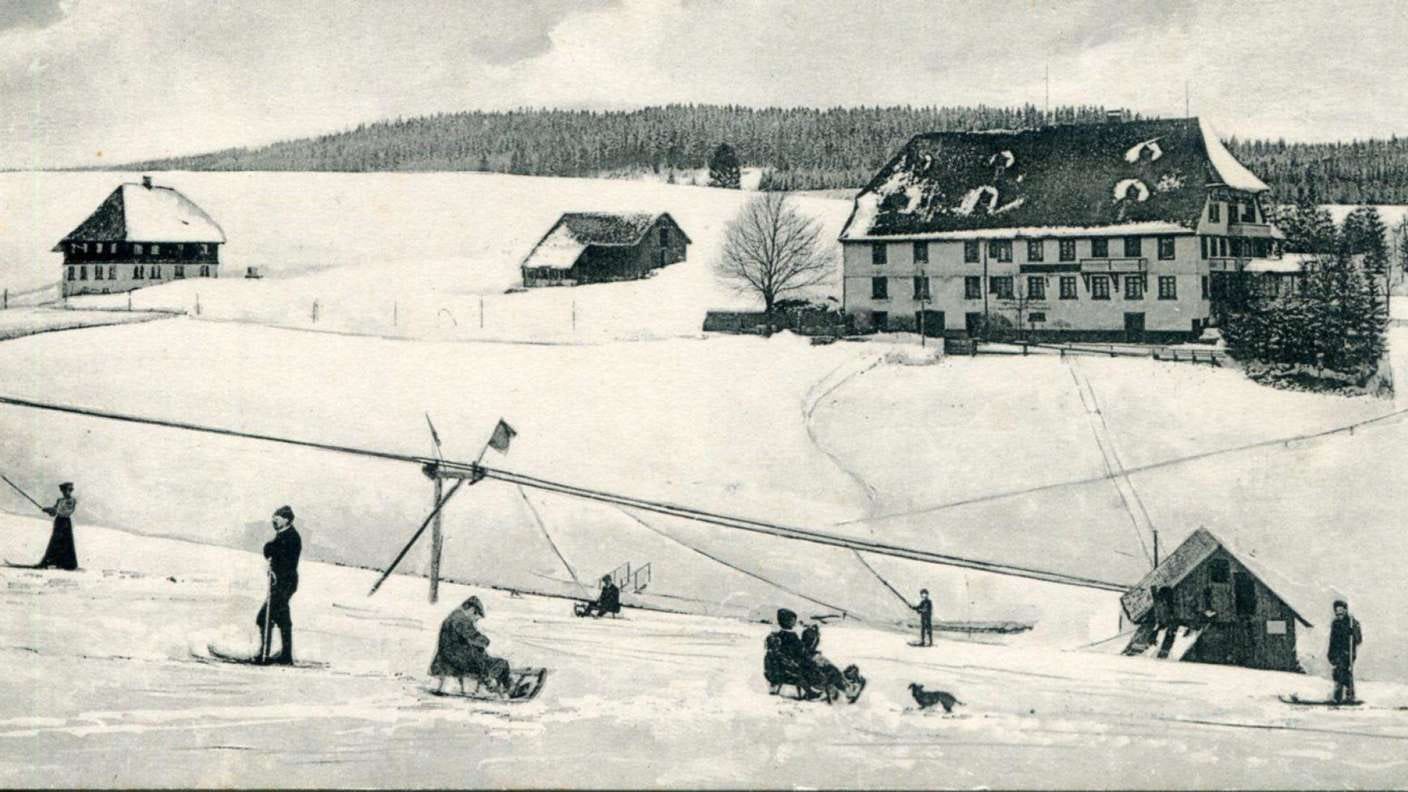
So Winterhalder looked at his mill’s waterwheel and had a thought: I can use this to pull people uphill.
He rigged an endless rope with clamps, powered by the mill’s existing waterwheel. It was 280 metres long, and pulled guests 23 metres up the slope. He immediately patented his invention it in six countries: Germany, France, Austria, Norway, Sweden, and Switzerland.
Winterhalder’s lift was the world’s first ski lift.
It only operated for six years, because WWI shut it down in 1914. But he had proved the concept. It was local ingenuity, solving a local problem, and profit staying in his village.
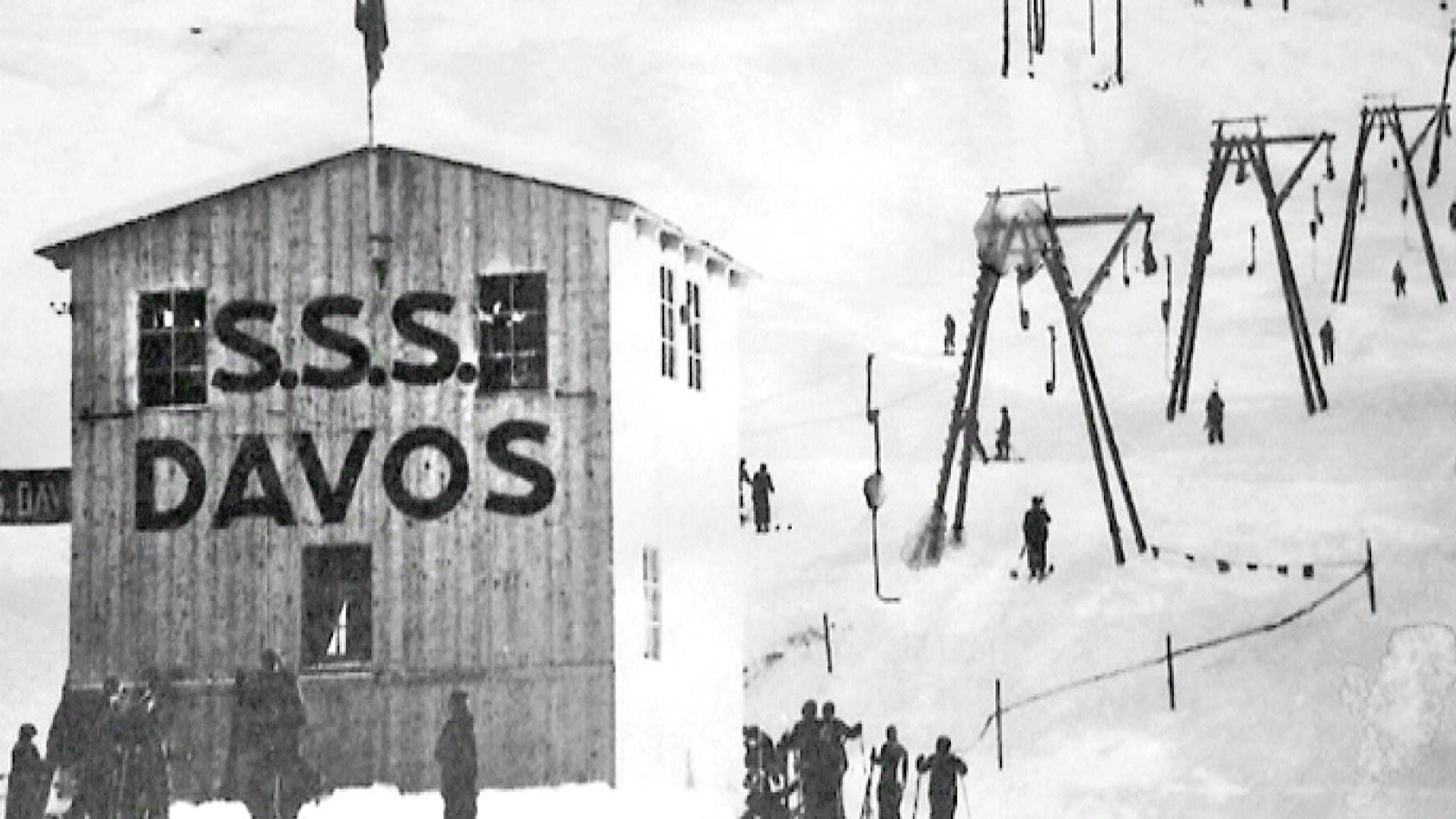
Twenty-six years later, in 1934, Zürich engineer Ernst Constam built the first T-bar lift in Davos. It was faster, more comfortable, more profitable, but still completely out of reach for village cooperatives.
His T-bar attracted 70,000 skiers in its first year. The split had begun. Skiing transformed from a survival mechanism to a leisure activity
The Dual System: Farmers and Aristocrats
In the 1890s, Alpine skiing existed in two forms simultaneously.
1: Local and utilitarian.
Austrian pioneer Franz Reisch ordered his skis from Norway in 1892. No instructions were included, so he practised in Kitzbühel: walking uphill in seal-skin climbing skins, descending in straight lines, and falling to stop.
On 15 March 1893, he climbed Kitzbüheler Horn and skied down. It was the first Alpine ski descent ever recorded.
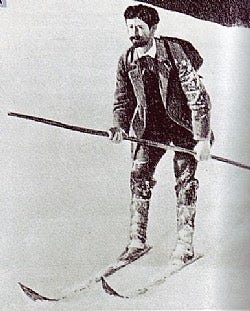
But Reisch was not pursuing a new sport, rather testing whether skis could replace (Austrian) snowshoes for winter work.
He was sold. And by 1900, local carpenters across Austria and Switzerland were making skis. Farmers found a way to earn income in the winter.
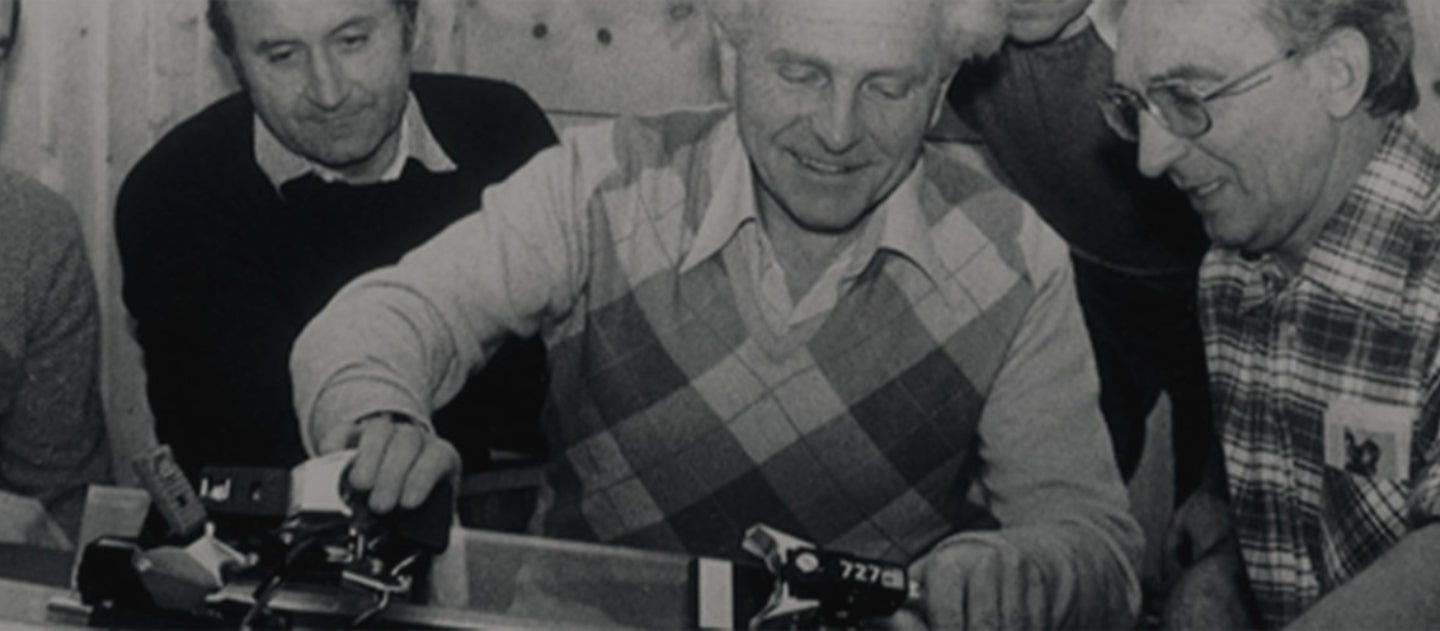
2: Aristocratic and exclusive
Grand Hotels and exclusive clubs in St. Moritz, Zermatt, Chamonix catered to European nobility, and industrial tycoons. They had private mountain guides, and servants carrying their equipment. Multi-week stays in heated luxury.
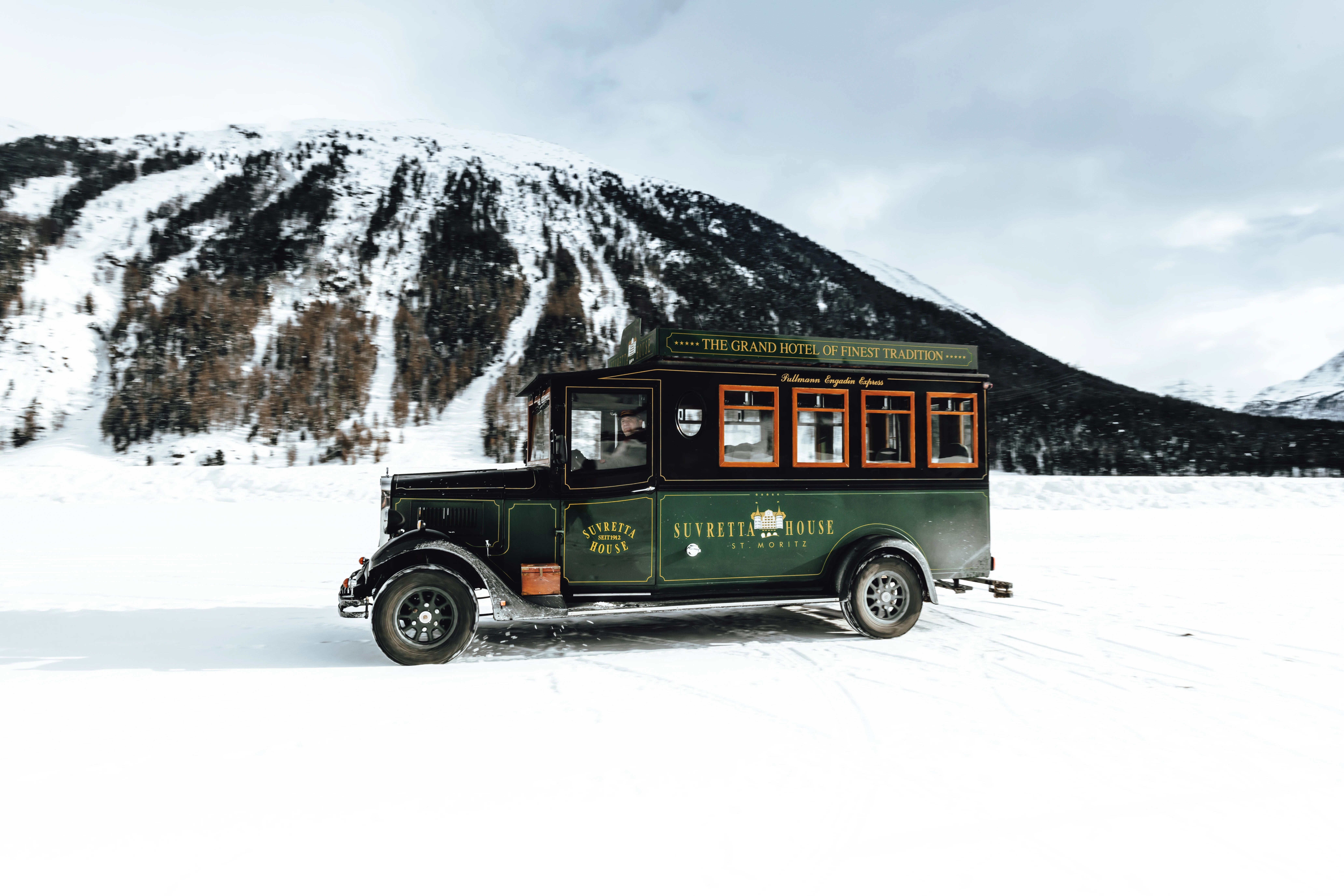
But even they faced elements. The 1920s photographs show them in wool and leather. Their stay at Suvretta House meant central heating, but the mountains did not have that.
For farmers skiing required physical toughness: climbing in animal skins, descending without edges or proper bindings, and enduring cold in poor clothing.
For aristocrats skiing required the same toughness plus capital. They had to pay a guide, to stay in comfort, yet still risked avalanches and frostbite.
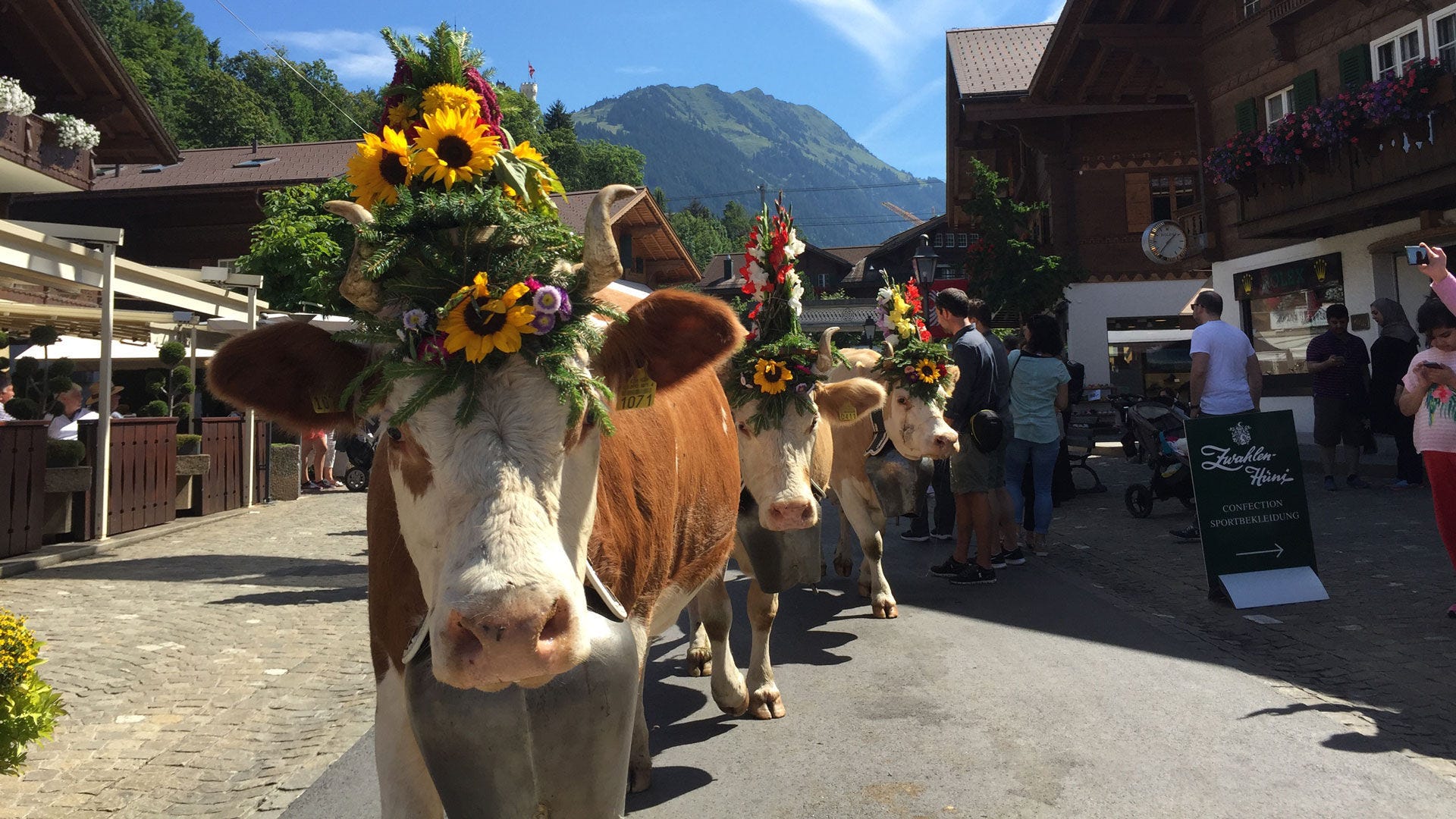
Both required relationship to place. The farmer knew every slope, every forest path, and every dangerous cornice. The aristocrat returned yearly to the same place, same guide, and same slopes. Skiing meant knowing the place, not consuming ‘the experience.’
This dual system worked. The aristocrat did not romanticise peasant poverty. The farmer provided infrastructure and knowledge. The aristocrat provided capital and prestige. The village benefited from both, and both could live in harmony.
The Curse of Corporatisation
So… was it the Americans again?
Yes, it was. In 1936, Sun Valley, Idaho introduced the world’s first chairlift adapted from banana-loading equipment. This changed everything about skiing.
Since chairlifts require massive capital investment, engineering expertise, and corporate structures to execute. They were faster, more comfortable, more profitable than rope tows, yet impossible for villagers to build.
(Somehow the Austrians and Süd-Tyroleans managed to make the skilift industry a duopoly of Doppelmayr (AT/CH) and Leitner (IT) )
By the 1950s, American ski resorts were already publicly traded corporations. In 1962, Vail was founded by petroleum engineer Pete Seibert and uranium prospector Earl Eaton with $5 million in investor capital. They built a resort from nothing, adding a fake Bavarian village for aesthetic.
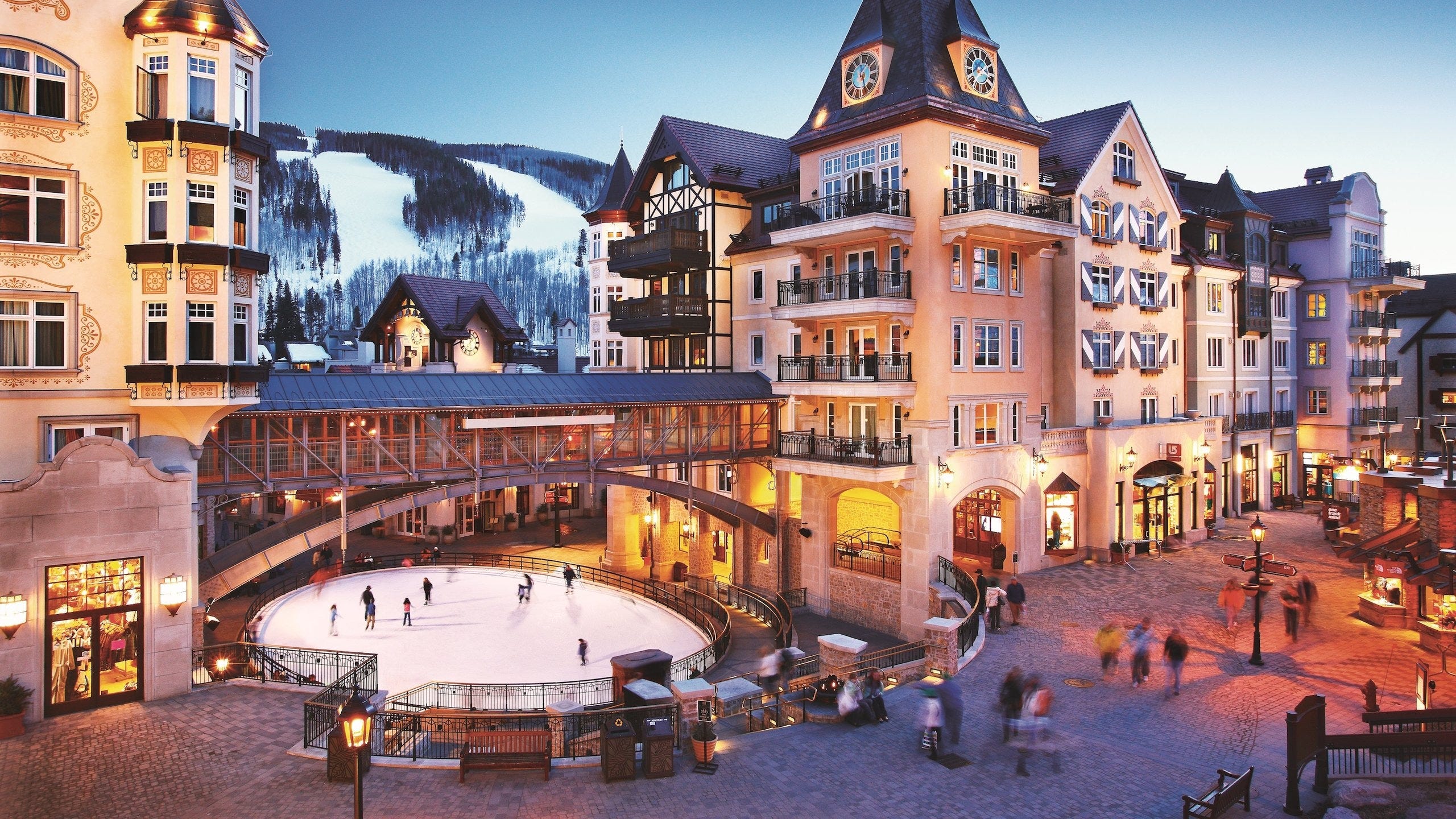
Europe followed. France commissioned purpose-built resorts in the 1960s: Les Arcs (1968), La Plagne (1961), Val Thorens (1972).
These were not organic villages, but concrete apartment blocks dropped onto mountainsides.
Architect Charlotte Perriand designed Les Arcs with brutalist ideology. It is a collective housing, with its socialist egalitarianism expressed in concrete. Concrete slabs, with zero relationship to Alpine culture.
I was in Les Deux Alpes, and it was exactly like this: you wake up, ski, then return to your nuclear bunker. Le Corbusier in an mountainous setting
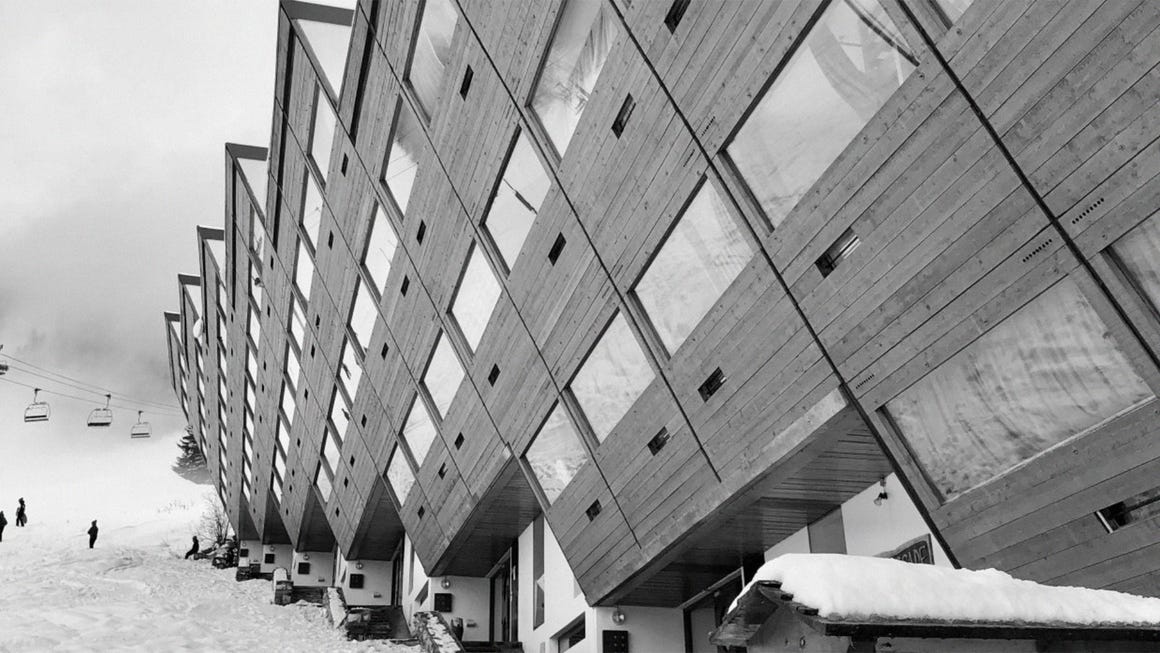
Perriand rejected ‘nostalgic’ chalet design as bourgeois. She wanted to ‘democratise’ skiing by building modern resorts accessible to working-class Parisians.
The result are ghost villages with no year-round residents. No cute Alpine churches, or friendly inn keepers who had lived there for centuries.
But not all purpose-built resorts failed. Megève was built in the 1920s by the French Rothschild dynasty, as an alternative to St. Moritz. It has authentic Alpine architecture, wood and stone, and is integrated with landscape.


By 1980, Alpine skiing had split. Traditional villages with small local lifts: undercapitalised, ageing infrastructure. And corporate resorts: modern lifts, brutal architecture, and efficient extraction.
But most villages still owned their mountains. Local families ran lifts, and profits mostly stayed local.
The Curse of Mass Tourism
Post-war prosperity changed who could afford skiing.
The German Wirtschaftswunder, Dutch middle-class wealth, British package holidays, and charter flights to Innsbruck and Geneva.
Suddenly, every insurance broker and account manager could afford skiing.
Most never got the farmer’s authentic village economy nor the aristocrat’s Grand Hotel luxury. But a standardised mediocrity pretending to be both. Like ‘Wiener’ Schnitzel made of pork and fried in seed oils, canned cürrywurst, and other tourist slop.
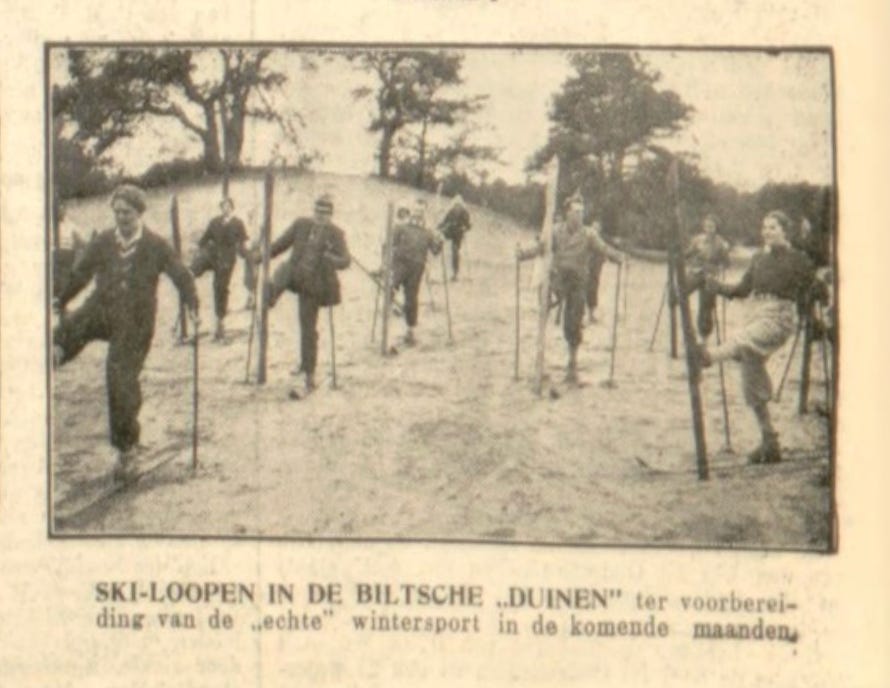
The Dutch skiing craze started in the 1930s, when people took ski lessons in Biltse Duinen (sand dunes). National champion Jan Boon demonstrated proper waxing and pole grip.
But Scrum Master driving his leased Skoda for long weekend of skiing is purchased comfort.
Package tourism (by Sunweb etc.) destroyed the class structure that made Alpine skiing functional. The authenticity could not survive when corporate resorts offered cheaper, more comfortable alternatives to their farms.
Aristocratic excellence could not survive with all the nouveau rich plebs. Grand Hotels with dress codes, private guides who knew every crevasse, multi-week stays building relationship with place: either compromised or dead.
What Is Lost
Skiing before mass tourism meant a close relationship to death. Nansen’s Greenland crossing. Amundsen’s South Pole expedition. The risk was real, the cold could kill you, and the mountain was indifferent to your survival.
Even recreational skiing retained this through the 1950s, with avalanches. crevasses, exposure. The lifts were scarce, you descended in uncertain conditions because piste grooming did not exist. The mountain was dangerous.
‘Nichts ist wie spürbar wie die größe Gottes auf ein einsames Berg’
Nothing is as tangible as the greatness of God on a lonely mountain
*This quote was written on a Novena Candle at a mountain I stayed at, and made me convert to Catholicism
It meant relationship to place. The farmer knew the area, the aristocrat returned to the same guide, the same village, and same peaks for decades. August Julen guided Paul Getty, John F. Kennedy’s brothers, and countless European nobility through Zermatt’s peaks for over forty years. They knew him, and he knew them.
Skiing was part of village life, yet most modern skiing has none of this.
You got to a corporate resort you have never visited, ride heated gondolas operated by immigrant workers (yes they also reached the alps) who you will never see again.
You ski groomed runs designed for maximum throughput. Eat at a garbage restaurants serving €25 frozen Schnitzels. There is zero relationship to the mountain, the village, or the people who live there. An experience purchased, standardised, and spiritually void.
Adolfo Kind, the Swiss-Italian engineer who founded Ski Club Torino in 1901, climbed Piz Bernina in wool and leather. He died in a mountaineering accident in 1907. A mountain hut, Capanna Kind, was built in his honour in 1912, with materials carried up by mule.


This is what skiing is all about: it is dangerous, purposeful, and leaves permanent marks on the landscape and community.
Modern skiing completely demolishes this harmony.
But luckily there are still authentic places, that have that old-world charm to it.
