
Cult or craft? Blade and Blacklane's Paths to Premium Transport.
A lens on how elite transport brands engineer loyalty.
Uber won everything and became nothing.
Once, calling an Uber meant something. Black cars. Elite service. Status. Today, it's just a taxi app. They scaled to serve everyone and ended up serving no one in particular.
Two companies took different paths: Blade and Blacklane. Both stayed focused. And both built actual loyalty.
Their approaches are completely different. Yet they both work. Here’s what they do:
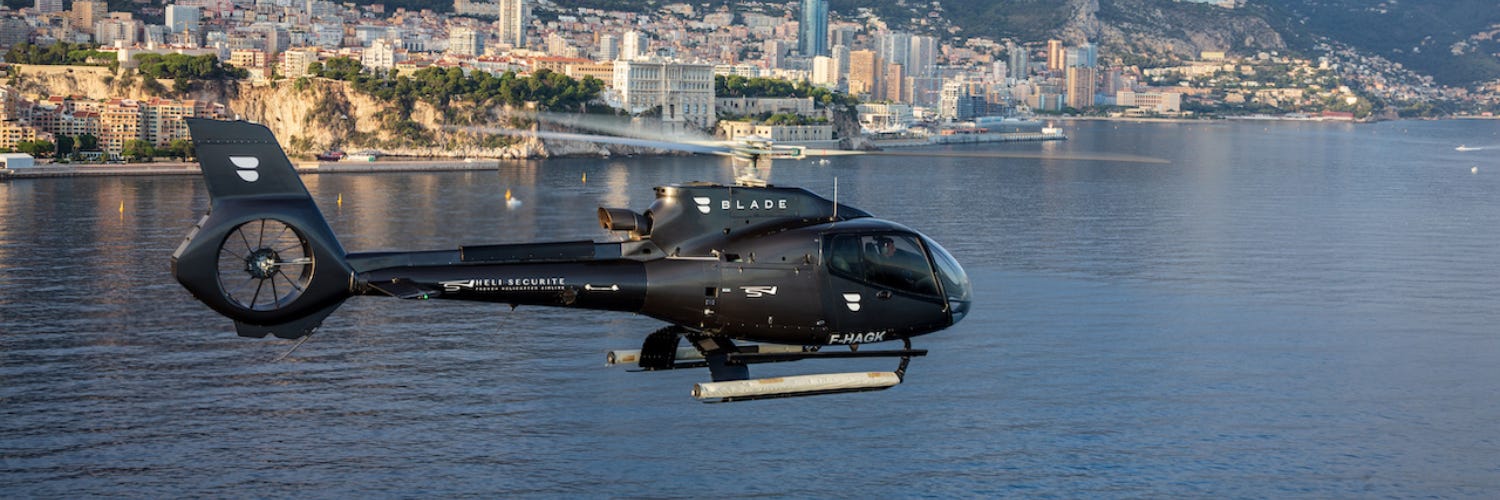
Blade: Cult by design
Blade operates helicopters. But what they're selling is a membership to an exclusive club.
Limited Supply, Unlimited Demand
Helicopter seats are scarce. Blade could add more helicopters, more routes, and more availability. They choose not to. The waiting list becomes part of their appeal.
Their lounges have bars, premium amenities, and perfect lighting for photos. One customer described it: "This ruined me for life."
That's an addict talking.
Future Pioneers
"Fly the Future Today" makes riders feel like visionaries. While others sit in traffic, Blade customers test tomorrow's transportation. They're early adopters of electric aircraft that don't exist yet.
Medical Missions Remove Guilt
60% of Blade's revenue comes from organ transport. Life-saving flights justify luxury flights. Rich people can drink champagne without feeling guilty because the same helicopters save lives.
Blacklane: Quiet loyalty
Blacklane went the opposite direction. No drama. No exclusivity. Just dependable service that becomes indispensable.
Professional Standards
"Professional chauffeurs, not drivers", matters to business travelers. Their training academy creates consistency across 300+ cities. Same uniforms, same protocols, same reliability.
Executives treat Blacklane like infrastructure, not luxury.
Integration Over Excitement
Blacklane embeds into corporate travel systems, airline partnerships, and credit card programs. They make themselves inevitable rather than exclusive.
Boring beats breathtaking when you travel every week.
Built-In Sustainability
Carbon offsets since 2011. Electric vehicles are standard in major cities. Climate-conscious executives can justify the luxury because the company handles the guilt.
Different Social Strategies
Blade posts cinematic content: helicopters over Manhattan, champagne in lounges, celebrity sightings at Art Basel. They curate desire among the few.
Blacklane shares behind-the-scenes content: chauffeur training, smooth pickups, and passenger stories. They build trust among business travelers.
Blade says, "You're special."
Blacklane says, "We're reliable."
What Creates Loyalty
Both companies avoid becoming commodities through five tactics:
Identity reinforcement. Blade riders become aviation pioneers. Blacklane passengers become efficient executives. The service confirms who they are.
Personal recognition. Blade creates status through scarcity. Blacklane remembers preferences and assigns regular drivers. Both make customers feel known.
Value alignment. Blade saves lives through medical transport. Blacklane offsets carbon emissions. Customers justify luxury through purpose.
Consistent rituals. Blade serves rosé on arrival and maintains lounge standards. Blacklane follows door protocols and arrival timing. Predictable luxury builds trust.
Community building. Blade lets riders suggest new routes. Blacklane integrates with corporate travel ecosystems. Both extend relationships beyond single transactions.
Two Models
Blade creates peaks. Emotional highs that customers chase.
Blacklane creates steady value. Reliable service that becomes a habit.
Neither tries to be everything to everyone. Both stay in their lane.
The Real Lesson
Scale kills the soul. Uber proved it.
Luxury brands face a choice: stay focused or become generic. Growth tempts every company. Smart ones resist.
Blade and Blacklane found different ways to stay special. Both work because both pick a lane and stay there.
Choose your customers carefully. You can't serve everyone without serving no one.


