


When the Dutch Catholic Church embraced the spirit of Vatican II, its own monasteries and seminaries dismantled and discarded the centuries-old libraries that held their collective memory, committing what the author calls an intellectual genocide by erasing their past rather than preserving it.
English Translation of my piece: De intellectuele genocide van de Kerk in Nederland
There is not a single monument made dor what has vanished from the Netherlands between 1965 and the present day. Hardly anyone cares, or knows…
It has no plaque, no annual commemoration, no place one might visit and think: this is where it stood.
What disappeared from our culture was never fixed in one spot. It was scattered across dozens of monasteries, seminaries and study houses, in the form of books. Millions of books, carefully assembled over the centuries, that have largely disappeared within the space of two generations. What little remains turns up on Marktplaats or, occasionally, in the better bookshops.


I dare to call it what it is: an intellectual genocide.
A civilisation may be destroyed by killing its bodies, but also by killing their memory and leaving their bodies to go on as zombies, with no recollection of what they once knew.
What happened to the Catholic libraries of the Netherlands was of that second kind…


The (re)building and the demolition
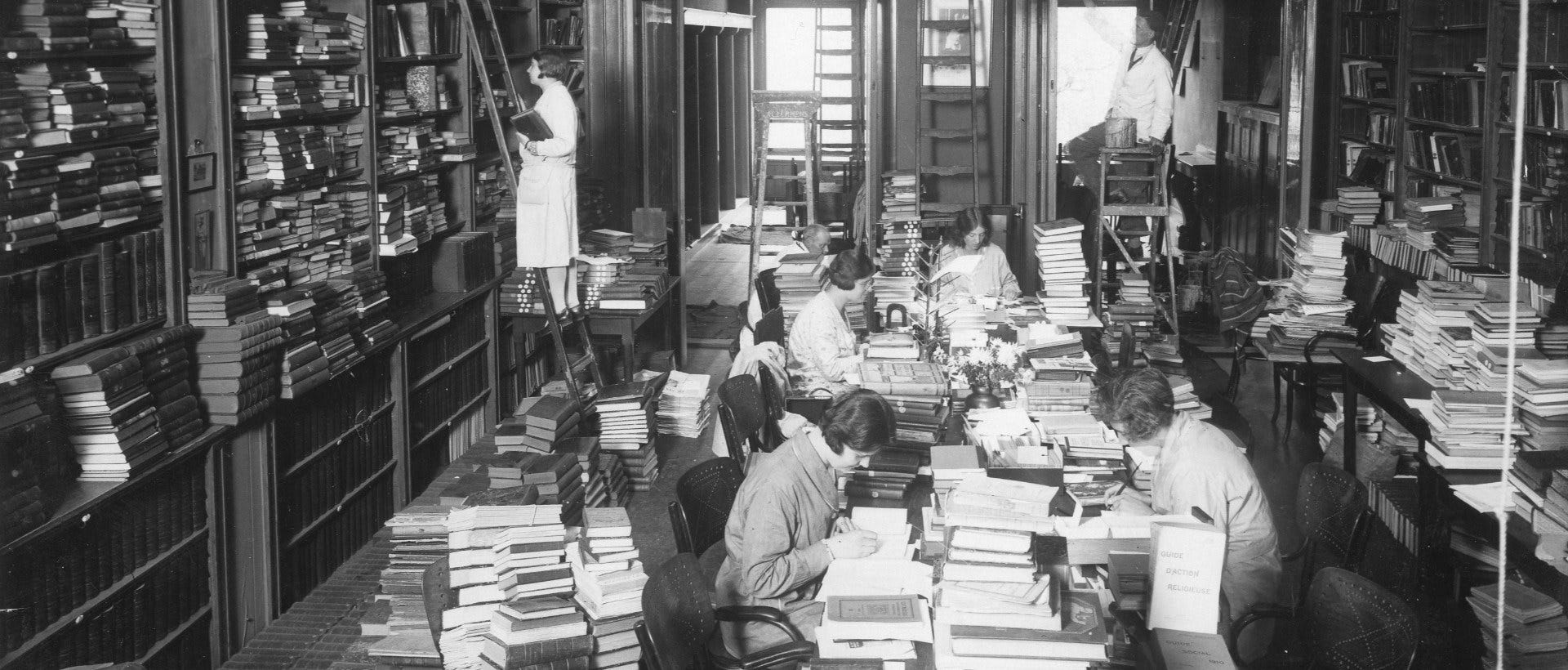
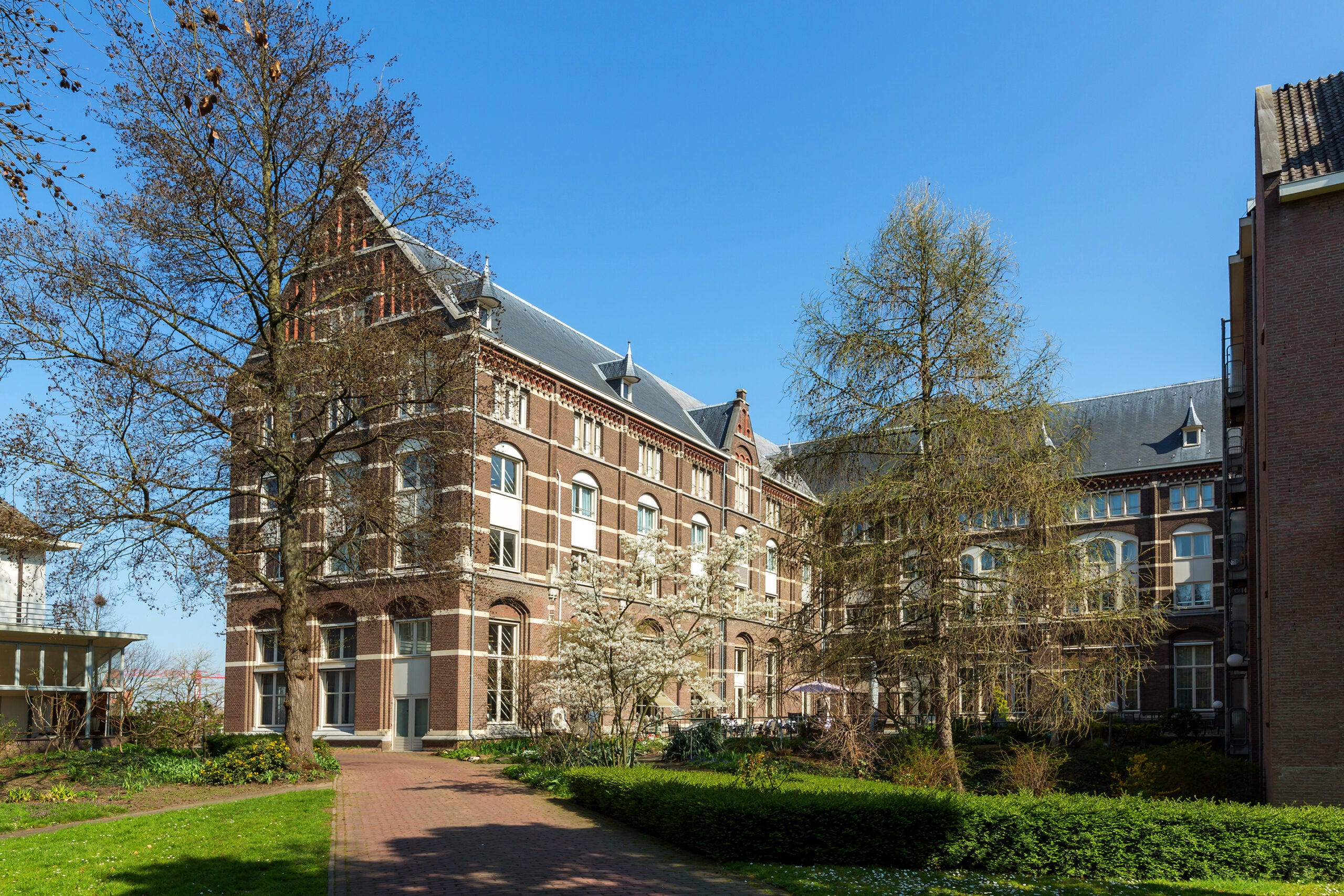
After 1853, with the restoration of the episcopal hierarchy, the Dutch Catholic community that had been suppressed for decades began to catch up. Seminaries rose in the Netherlands in Culemborg, Driebergen-Rijsenburg, Haaren, Roermond, Hoeven and Warmond. Religious orders that had been barred from the Republic for centuries could return or established themself anew. Every new congregation or foundation needed books. A monastery without books is like a city without walls.
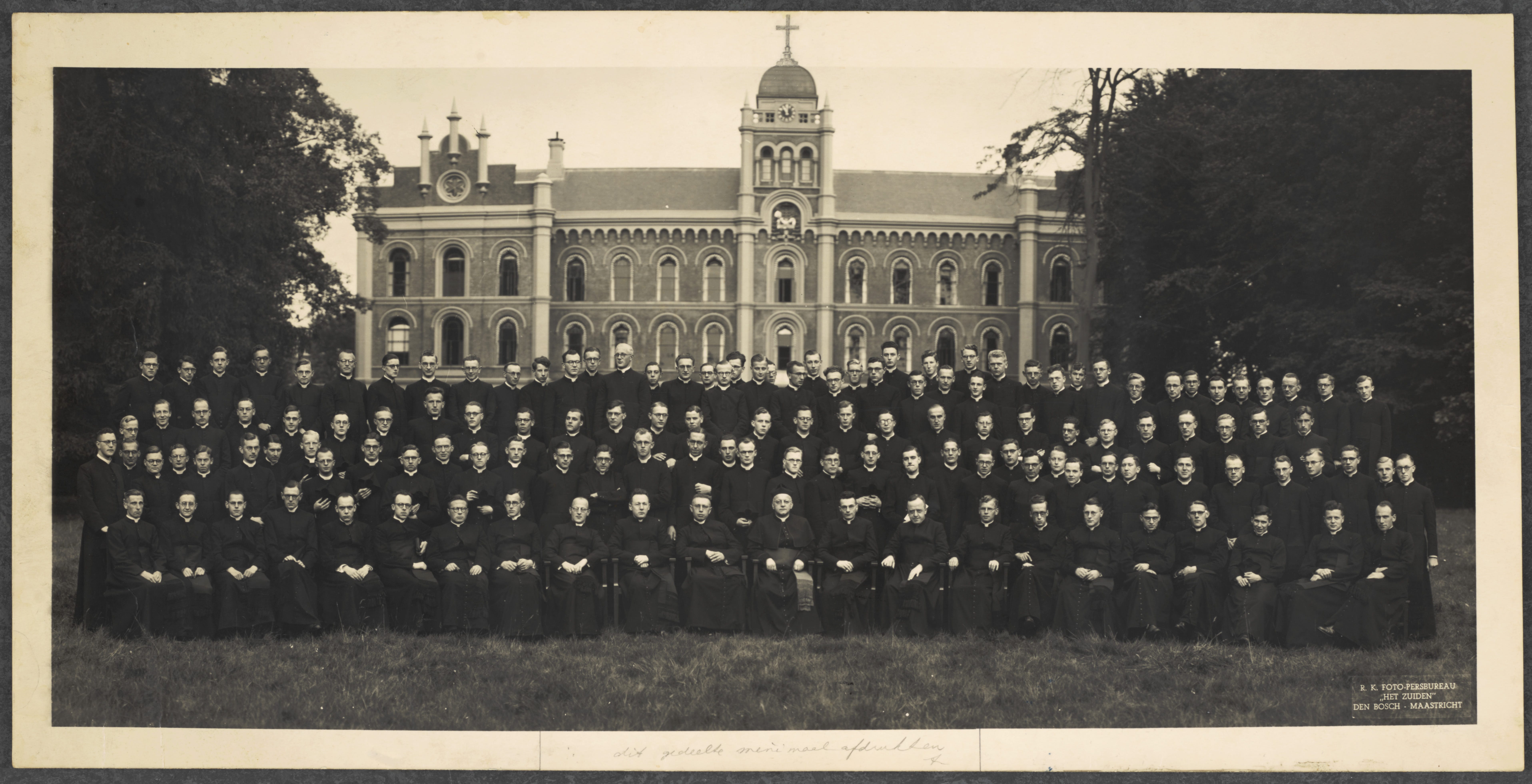
The (re)building went slowly, since there was little money. Congregations begged from friendly priests, from neighbours, and from monasteries abroad. Yet by the beginning of the 20th century, driven by the realisation that Dutch Catholics lagged behind in the sciences, the study libraries of the great orders had grown into impressive collections. The Redemptorists at Wittem, the Jesuits in Maastricht, the Dominicans in Nijmegen: each built “its own arsenal,” as the Franciscan Bonaventura Kruitwagen called it in 1912, from which these scholarly weapons were to come.
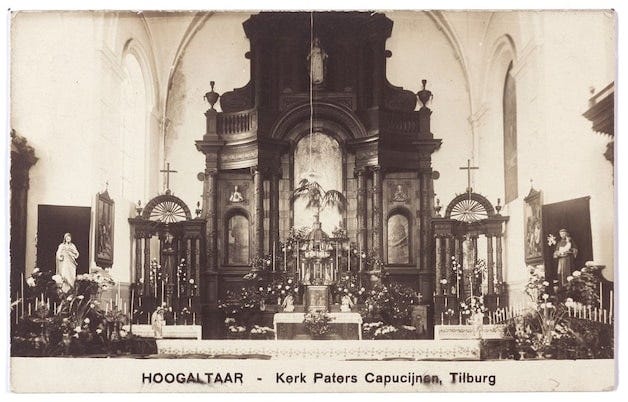
The Franciscans and Capuchins went further still. They compiled central catalogues, with librarians travelling from monastery to monastery to register every book on site according to a single system. By 1970 the Capuchin central catalogue contained over 110,000 titles. This was a complete infrastructure, built with the same discipline with which cathedrals had once been raised: constructed generation after generation, without the founders ever seeing the end.
In The Hague the Royal Library began in 1922 to compile a Dutch Central Catalogue, initially filled largely with Protestant collections. Librarian Molhuysen wished, before his retirement, still to increase the Catholic presence, and so in 1936 he travelled to the Franciscan monastery in Venray (South of the Netherlands) to ask permission to include their catalogue.
It was a personal, almost diplomatic effort that held the memory together. People understood that a catalogue was not merely a list, but a trace of what a community believed and thought worth preserving.
The turning point
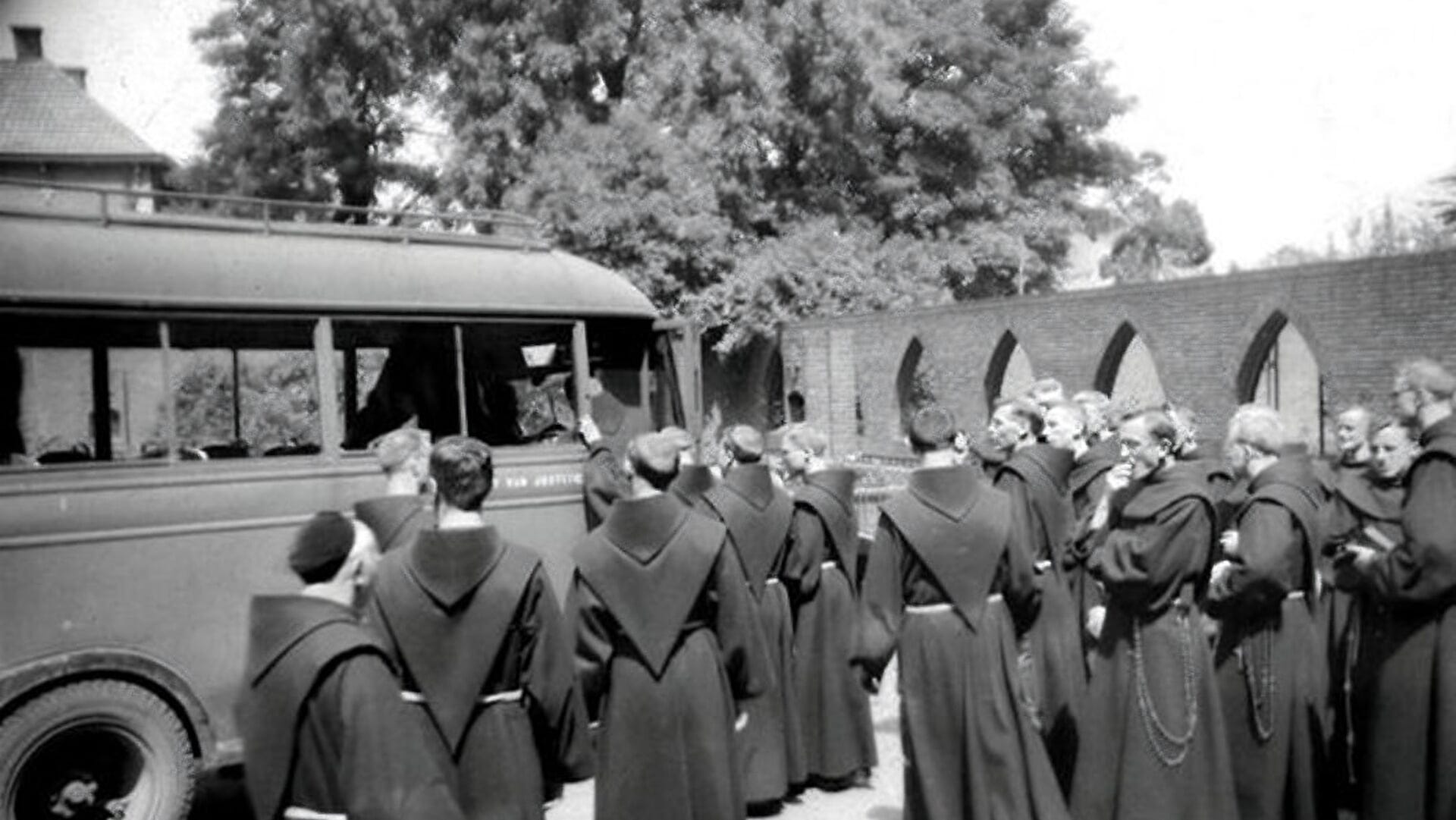
The Second Vatican Council opened the doors to the world, including those of the monastic libraries. The Councils’ decrees called for adaptation to the modern world, and, as was customary, the Netherlands was the best boy of the class. Its religious took these decrees very literally. Obedience, you know…
So everywhere the same question began to circulate: Must we really preserve everything? Space grew scarcer, the communities older, and the old books that generations had collected began to feel like a burden.
The Albertinum in Nijmegen, a Dominican monastery, was among the first to give way. Already in 1961 a plan was drawn up to sell old manuscripts that had ‘little theological value’ yet were highly prized by bibliophiles. The proceeds were to fund the renovation. Inquiries were even made by Harvard University. In the end it was not the Americans but the Royal Library that in 1965 bought twelve manuscripts, among them the eleventh-century Nijmegen Gospel Book, for 74,750 guilders.
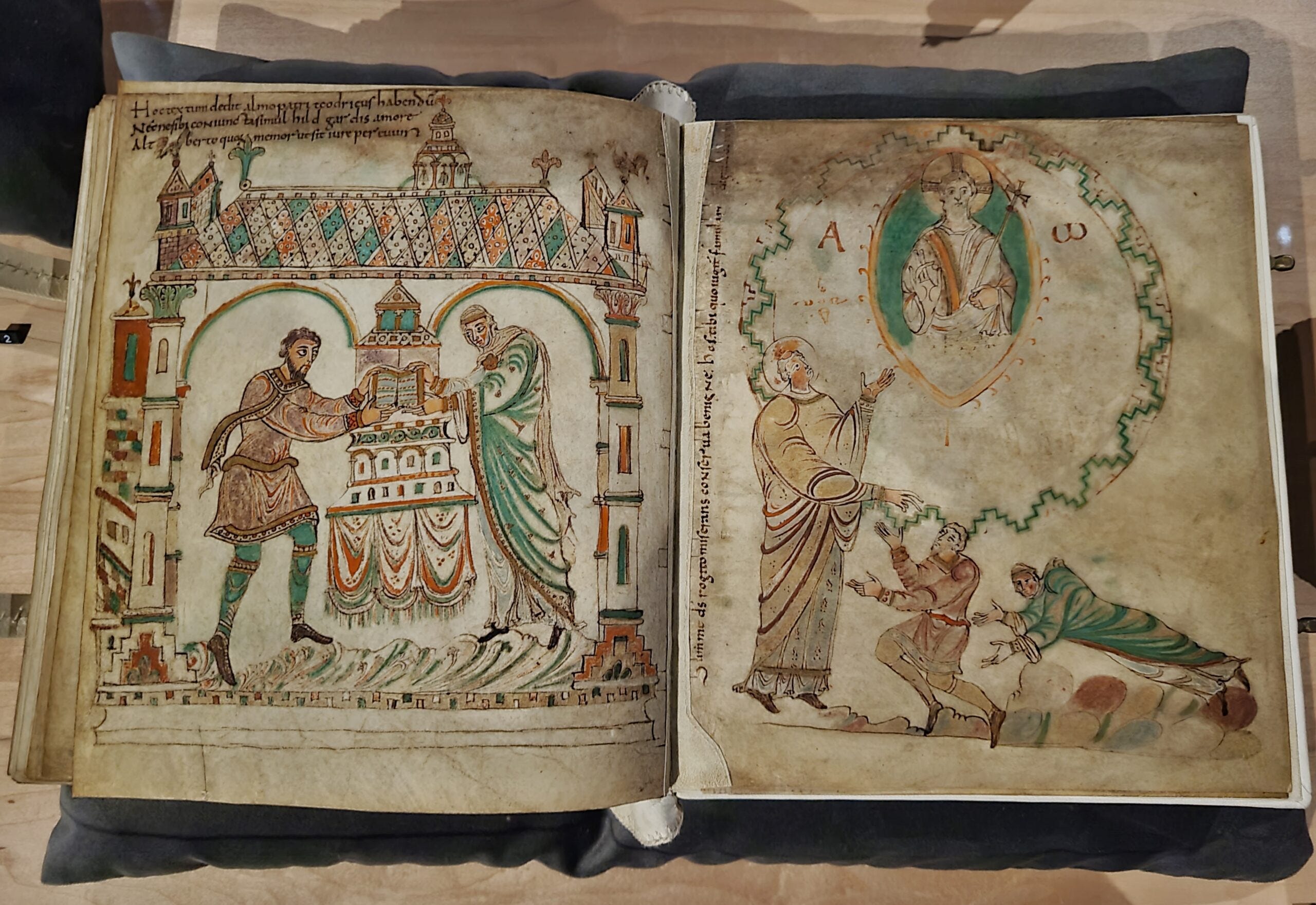
The prior defended the sale with the conviction that the manuscripts would be better off in an internationally recognised repository than in the Albertinum itself, where meltwater had already caused damage the year before. The historian L.J. Rogier reacted FURIOUSLY in the journal Numaga and called it ‘a creeping disappearance by means of a quiet private sale’.
It reached the national press of The Netherlands... but would not be the last time that the squandering of Dutch religious heritage made the newspapers…
The destruction set in motion
What followed was not a single great rupture but a continuous, self-reinforcing movement. Seminaries eventually merged into five Catholic institutions for theological education. Every merger meant that an old study library had to move, be absorbed, or be cast off.
The Jesuit library from Maastricht went largely to Amsterdam. The Major Seminary of Rijsenburg and the Franciscans sold their holdings to Utrecht University, but not without difficulty: squatters who occupied the building threatened to set the books on fire if the police intervened to remove them.
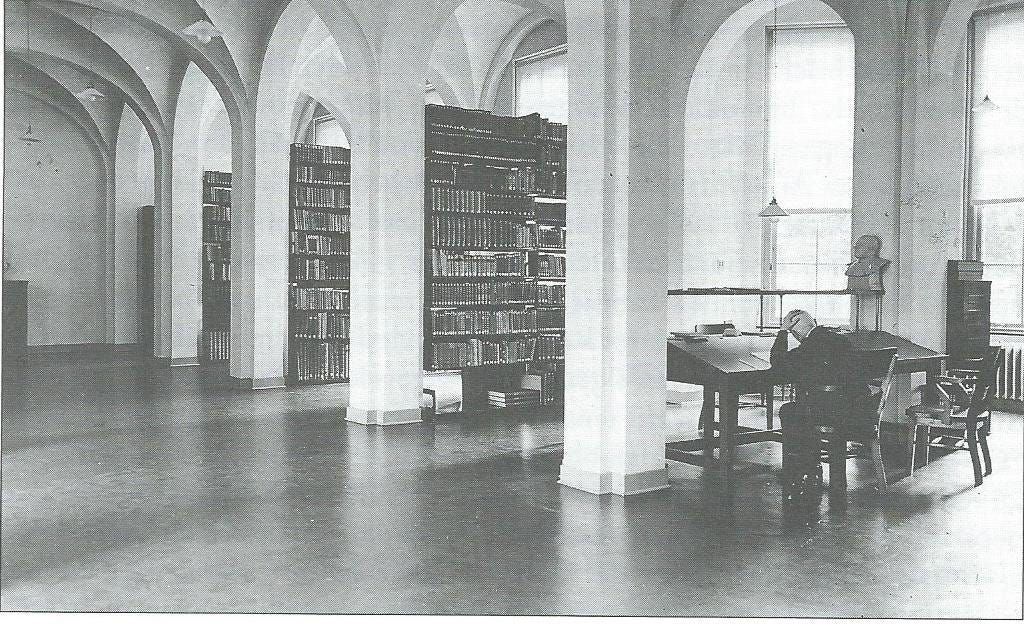
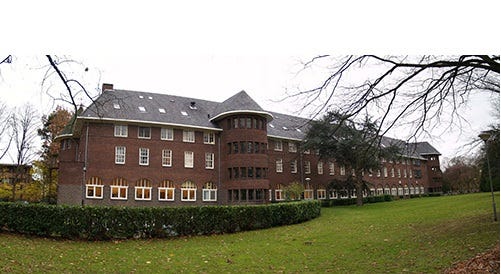
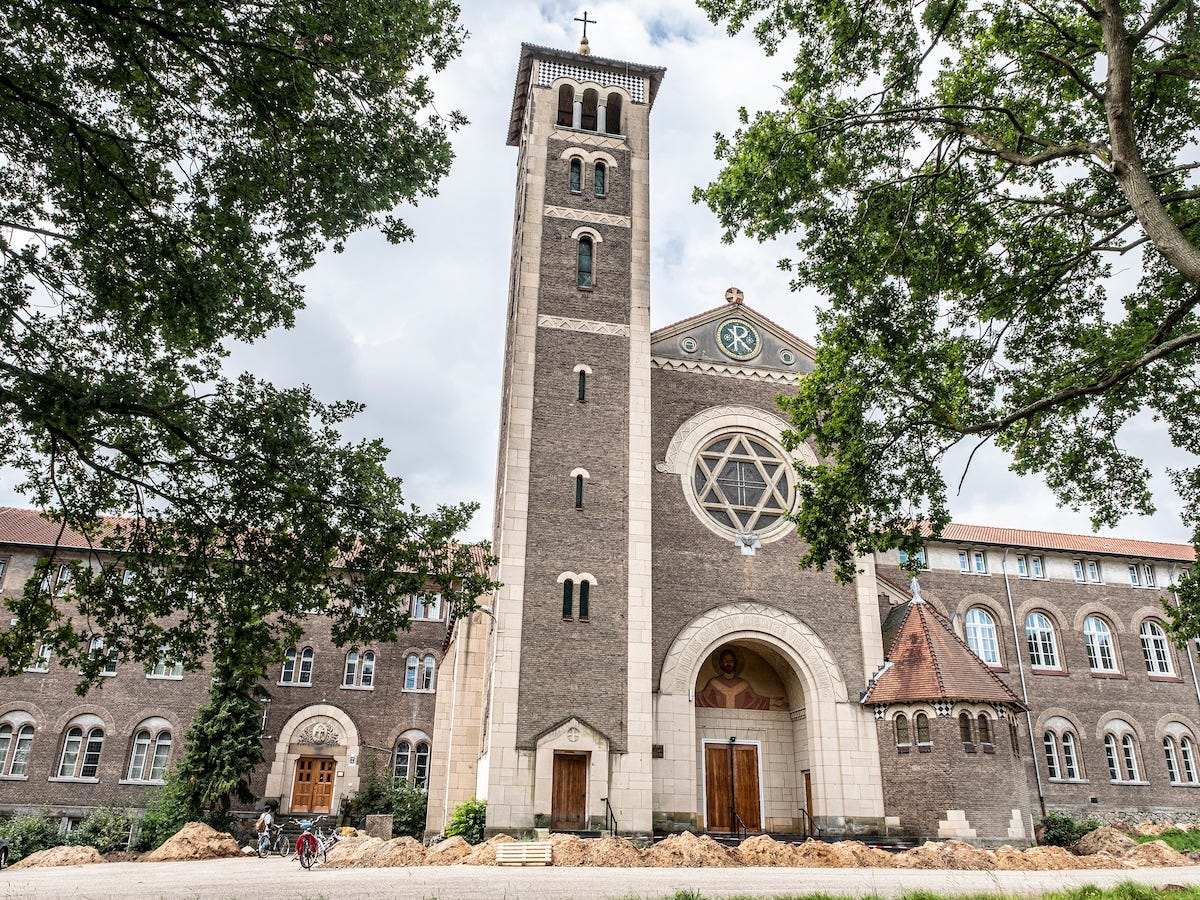
In 1979 the library of the minor seminary of Hageveld came up for disposal. The collection consisted of some forty thousand volumes, built up over a century and a half, consisting largely of theology, philosophy, literature and history, supplemented by the complete bequests of deceased professors.
The board divided the collection into four categories: to be kept (that which concerned the history of Hageveld and the Diocese of Haarlem, together with work of theological value), to be auctioned, to be sold to an antiquarian bookseller, and the remainder to be destroyed.
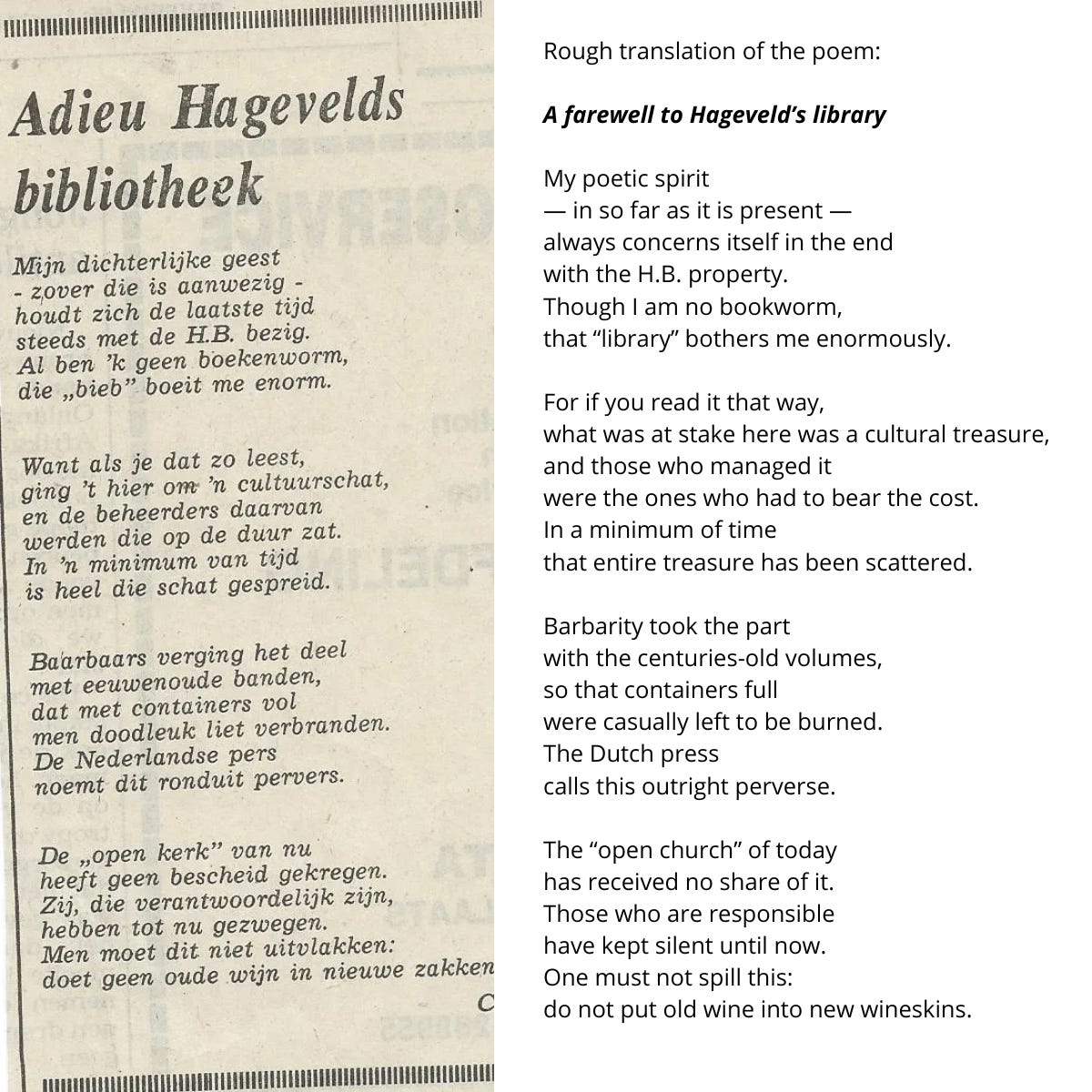
As justification the board stated that ‘negotiations with academic institutions had failed’, that ‘the collection had been poorly maintained’, that ‘no usable catalogue any longer existed’, and that ‘the space was needed’.
For the final category, the remainder, no other interested party was sought. That remainder, including sixteenth- and seventeenth-century imprints, among them works by the French printer Aldus Manutius, disappeared into rubbish containers on the grounds.
It was the pupils who brought this destruction to light: the Heemsteedse Courant published the first report on 28 June 1979, written in part on the basis of what schoolboys such as Max Verbeek had seen.
Within two weeks the rest of the press followed, each newspaper finding its own degree of indignation. Het Parool on 11 July. That same day De Telegraaf put the affair on the front page under the headline ‘book-burning’ — technically incorrect, since no fire had been involved, yet according to Hans Krol, then director of the Heemstede Public Library, the most exaggerated of all the coverage.
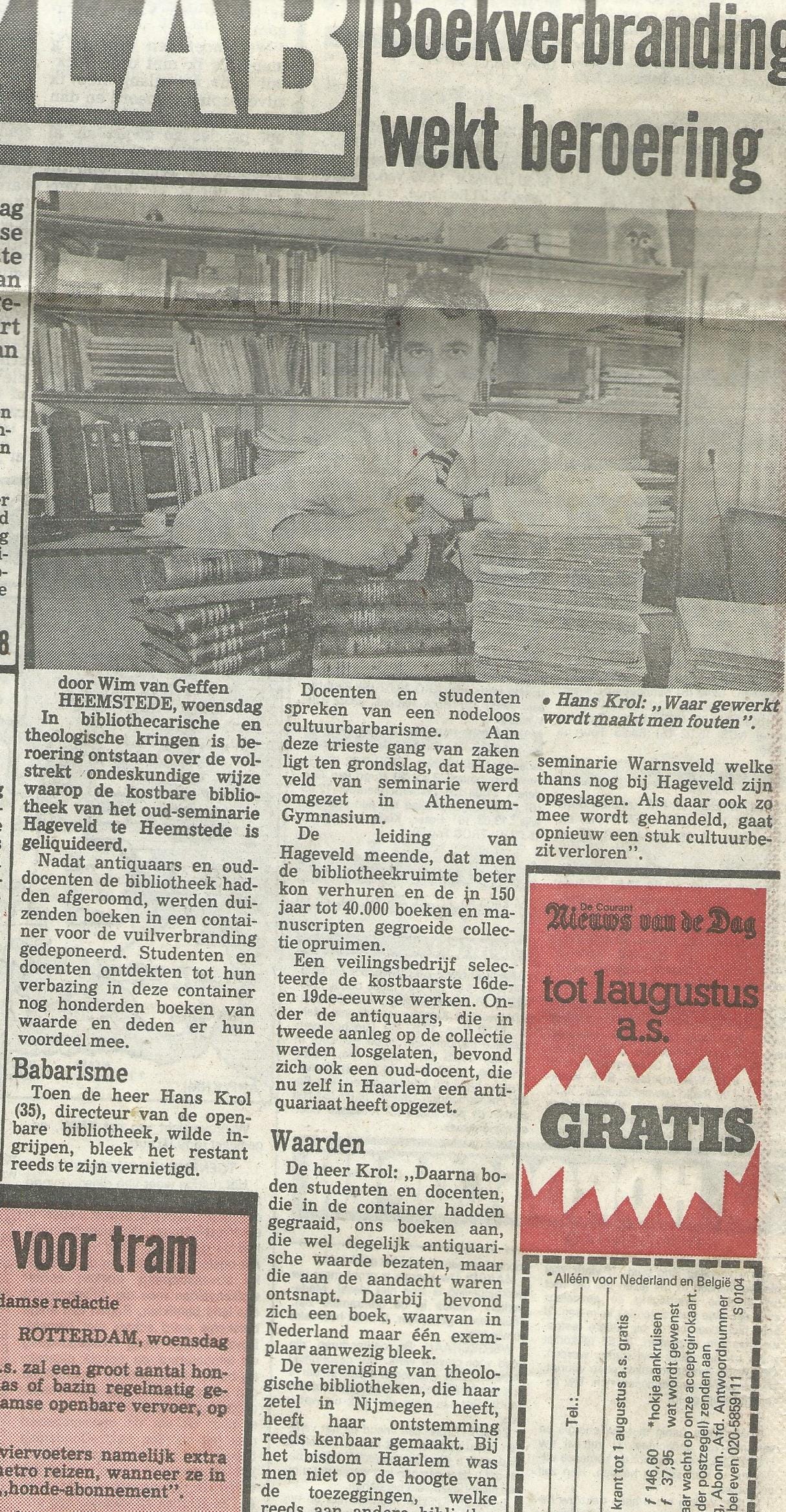
The Haarlems Dagblad headlined on 12 July ‘Hageveld Library goes with the dustman’ and printed the board’s statement in full. That same day the Nieuwe Leidsche Courant reported that the library had been turned into compost, and the Volkskrant wrote in similar terms, which Krol regarded as inflated.
Only NRC Handelsblad, according to Krol, stuck to the facts.
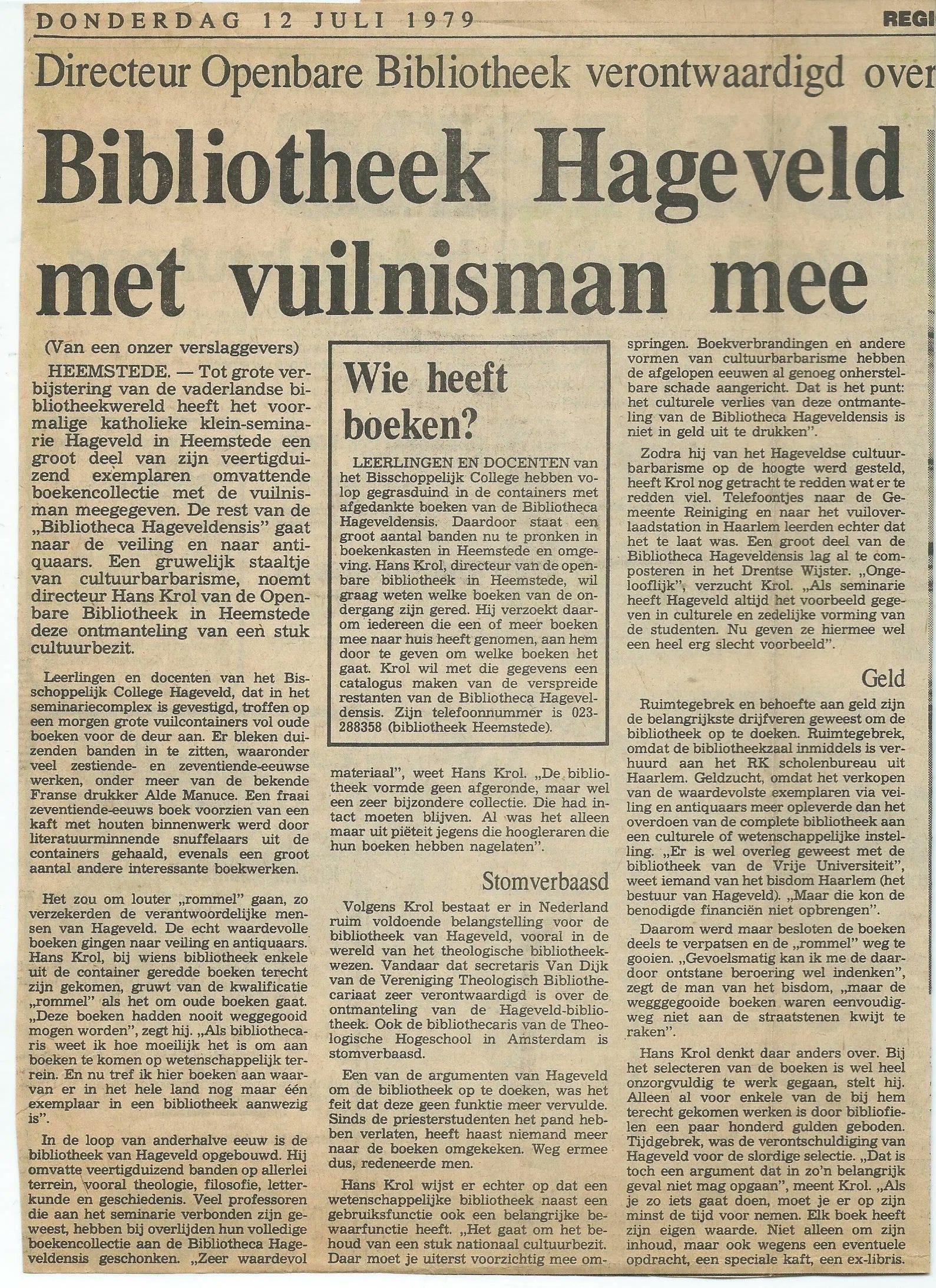
Krol himself saw rescued copies and discussed them with the book historian Herman de la Fontaine Verwey, who spoke of cultural barbarism.
Krol came across books of which only one other copy was known in the whole of the Netherlands and spoke of serious errors of judgement in the sorting.
The board of Hageveld maintained, however, that only rubbish had been thrown away and that the truly valuable books had already gone to auction and to the antiquarian trade.
Two weeks later a defensive follow-up appeared in the Leidsch Dagblad under the headline ‘At Hageveld folly was never organised’, which emphasised the 162 years of cultural merit of the institution and denied that irreparable damage had been done.
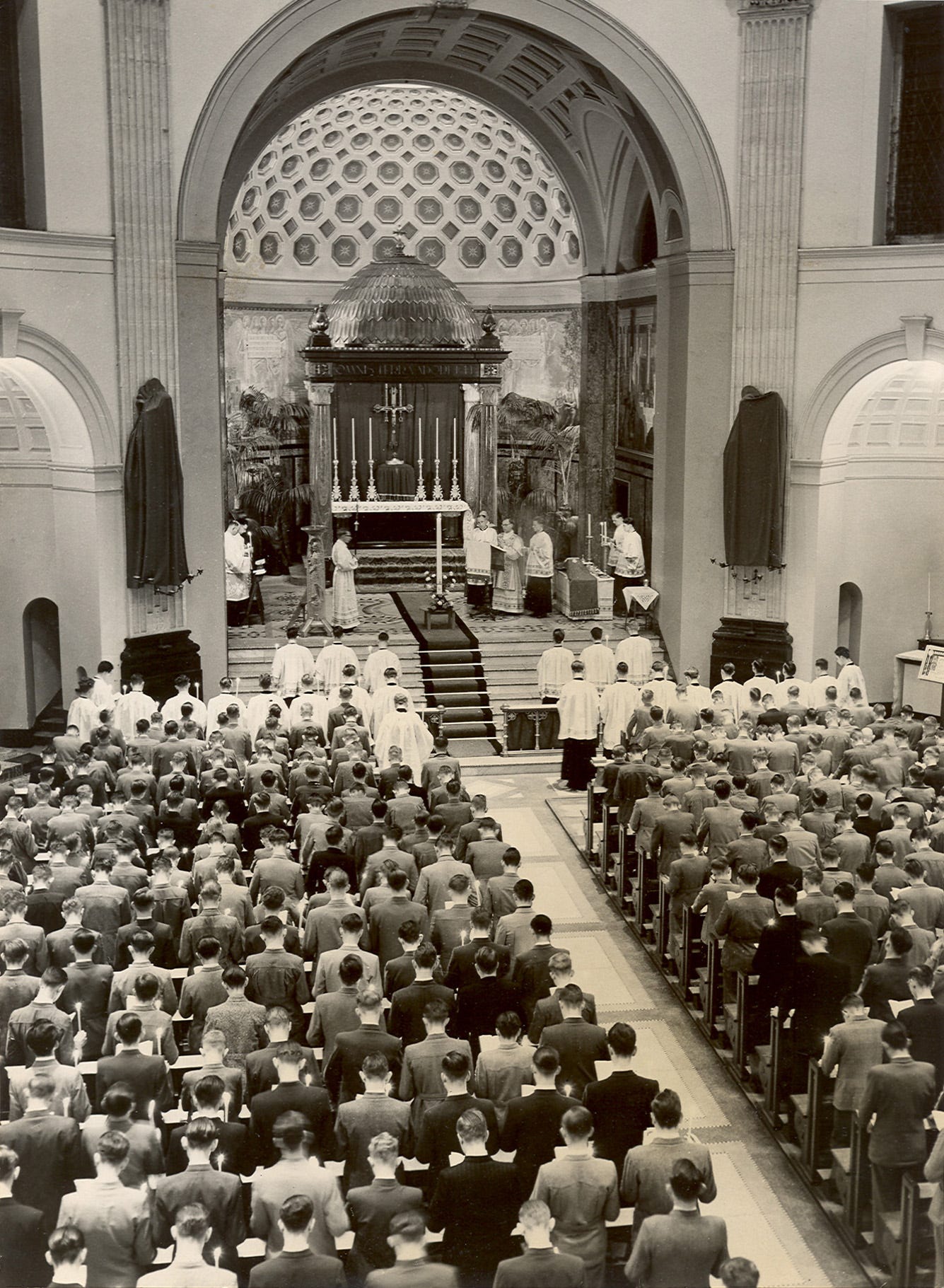
Hageveld’s own school newspaper chose a less conciliatory title: ‘Bibliophiles or book-burners?’.
A group of pupils and teachers, among them the same Max Verbeek, later that year compiled a brochure that reconstructed the entire course of events: Bibliotheca Hageveldensis.
That a school which had had forty thousand volumes removed felt obliged publicly to declare that no folly had been organised, while its own pupils were in the meantime documenting the affair themselves, says enough in itself…


On 19 December 1979 A.L. van Gendt & Co. in Amsterdam auctioned nearly 400 lots from what the catalogue described as part of the library of the former minor seminary of Hageveld.
The proceeds amounted to over 200,000 guilders… a sum that in itself demonstrates that a substantial part of the collection was indeed recognised as valuable.
That makes the fate of the remainder (the books that were not selected) all the more bitter. The Committee on Ecclesiastical Libraries, not asked for advice beforehand, established in a report of that same 12 July, after the event, that the Bibliotheca Hageveldensis ought to have remained intact.
The advice arrived on the day the collection already lay in pieces. The 12-volume catalogue of the original library now rests in the Noord-Hollands Archief, inventory number 678. But this is merely a list of what once was, preserved in a place where the books themselves no longer are.
On the exact contents of what disappeared into the containers, the sources differ in precision. The immediate reporting of July 1979 mentions chiefly sixteenth- and seventeenth-century imprints and theological works, including the Aldus Manutius edition.
That the complete annual runs of the newspaper De Tijd were among them comes mainly from later reconstructions by Krol and the pupils’ brochure Bibliotheca Hageveldensis, and therefore merits that qualification.
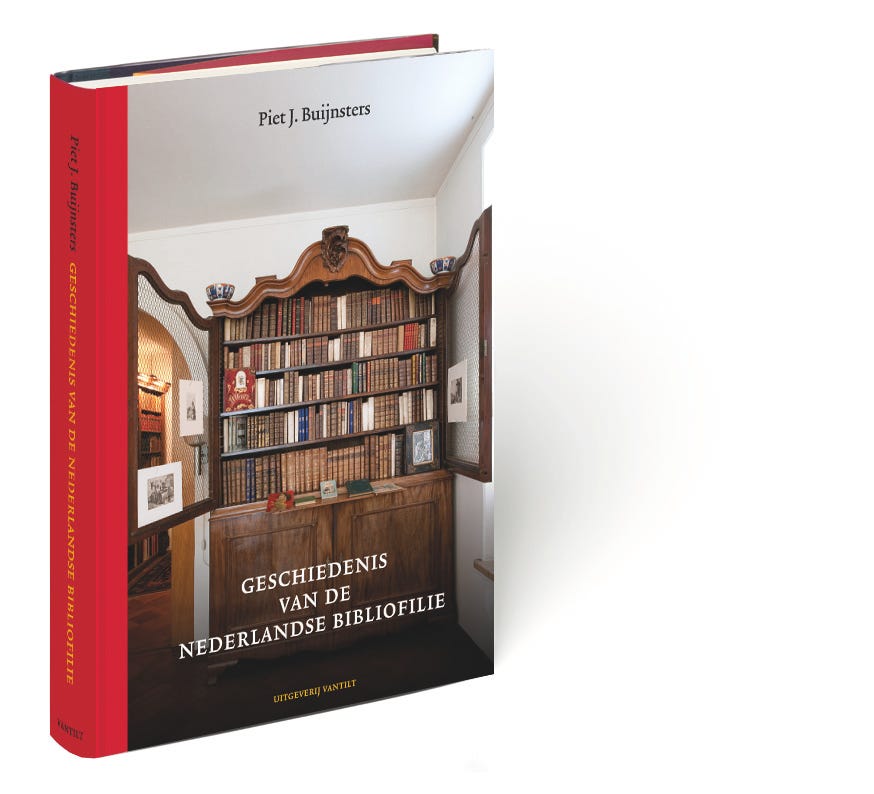
The book historian Piet Buijnsters devoted an entire chapter in his standard work on Dutch bibliophilia to this period, under the title ‘Church books in the clearance’ (‘Kerkboeken in de opruiming’)
Antiquarian Bubb Kuyper, who commented on the Hageveld legacy years later in the yearbook of the old boys, admitted that the discarding ‘had been unforgivable’, but added that liquidations of this kind had taken place throughout Europe on a far larger scale and in a far more brutal manner.
Yet the pattern repeated itself again and again, and not always with the same result.
The Redemptorists sold their entire library in 1975 for 2.4 million guilders, as a single lot, to what is now Radboud University (a Catholic University, usurped by D66 liberals).
The Dominicans donated theirs in 1995 without payment, likewise intact, with a declaration in which they spoke of ‘feelings of disappointment and sorrow at relinquishing a collection that generations of Dominicans had built up’.
Fr. Piet Schreurs compared the loss of his library to ‘marrying off a daughter’, with this difference: ‘a daughter still comes to visit; the books do not’.
The Franciscan and Rijsenburg collections too, despite the squatting action that preceded them, eventually went in their entirety to Utrecht University Library.
Not every transfer was therefore a loss in the sense that Hageveld was. Where an institution had the time, the money or the will to seek a buyer who wished to take the collection as a whole, it remained somewhat intact, albeit elsewhere.
Anyone who wished to argue the case rationally could always do so:
The space was needed, the collection was no longer consulted, the proceeds helped an ageing community.
Each argument sounds reasonable in itself. Yet together they formed a mechanism by which centuries of accumulated memory dismantled itself, piece by piece.

The committees that did nothing
The Netherlands tried to stop this intellectual genocide in the way institutions do, using a committee.
The Committee on Ecclesiastical Libraries was established in 1970 to make an inventory of the 2.5 million books still present in monastic and seminary libraries, and to make recommendations. The committee reached a clear conclusion: collections ought to remain intact, because every collection formed a unique, interconnected whole that lost its value the moment it fell apart.
But the committee had no power whatsoever to enforce anything. Owners remained free to make their own choices, and so they did.
The diocese of Breda sold the library of the major seminary of Hoeven to the Free University of Amsterdam (VU), despite an earlier promise to the theological faculty of Tilburg. Fr. Rudolf van Dijk called the committee’s report years later ‘a neglected report, insufficiently distributed and without consequence’.
A third committee, envisaged in 1987, probably got no further than a draft text that no one has ever found again.
The situation today
One need only look on Marktplaats (Dutch eBay/Craigslist) to conclude that the movement has never stopped.
As recently as the summer of 2021 the Friars of Maastricht, because of the sale of their monastery De Beyart, offered their spiritual library of 1,700 books for sale in an association magazine, in the same matter-of-fact tone with which one offers a second-hand sofa. I always wonder what made these people decide to ever become priest or friar, since they hate everything it stands for…
Antiquarian booksellers who specialised in buying up monastic libraries had for decades been writing to superior after superior with the same message: your library is no longer being used anyway, we can help!
What was lost was rarely the rare manuscript.
It was rather the ordinary collections, the thousands of titles on theology, church history, meditation and philosophy that had stood, in almost identical form, all over the Netherlands, until the market became saturated and no one wanted them any more.
André Maes of the Catholic Documentation Centre summed up the dilemma with an instruction for anyone who had to clear a monastic library: make two boxes, one labelled Keep and one labelled Old paper, and swap the labels as soon as both are full.
What looks unremarkable is often precisely that which no longer exists anywhere else.


Father Theobaldus van Etten had spent twenty-two years building up the Capuchin library work. He spent the last sixteen years of his active life dismantling it again.
Thus the Second Vatican Council worked upon the mind of the clergy. One and the same man, with two opposing life’s works, and no one who experienced this as contradictory.
That is how eradication works when it carries itself out: it is not done by an enemy from outside, but by one’s own heirs who, book by book, box by box, erase our own intellectual memory.
-Robbert
P.s. No Saturday essay this week!
From Monday 19 to Saturday 24 October I am attending the thematic retreat on the Holy Sacrifice of the Mass at the SSPX in Steffeshausen (Belgium).
There will therefore be no essay this Saturday. My report on this retreat will appear next week on Monday or Tuesday.
References used for this article
Otto S. Lankhorst, ‘Heritage Management in Monastery and Seminary Libraries in the Netherlands’, in Theological Libraries and Library Associations in Europe (Leiden: Brill, 2022). Open access: brill.com/display/book/9789004523197/BP000018.xml
Leidsch Dagblad, 13 juli 1979, ‘Waardevolle boeken met vuilnisman meegegeven’. leiden.courant.nu/issue/LD/1979-07-13
Hans Krol, Librariana (blog), reconstruction of the Hageveld library affaire with scans of news and communiqués. ilibrariana.wordpress.com/tag/hageveld
Leidsch Dagblad, 13 juli 1979.
Nieuwe Leidsche Courant, 12 juli 1979, ‘Kostbare bibliotheek tot compost verwerkt’. leiden.courant.nu/issue/NLC/1979-07-12
Leidsch Dagblad, 28 juli 1979, ‘Op Hageveld nimmer de domheid georganiseerd’. leiden.courant.nu/issue/LD/1979-07-28
Bibliotheca Hageveldensis. Een relaas van de gang van zaken rond de verdwijning van de bibliotheek van het voormalig kleinseminarie Hageveld, composed by Fred van der Drift, Rosana Lok, Jaap van der Meer, Alex Mesman, Paulien Schoof, Marijke Snoek and Max Verbeek (Haarlem, 1979).
Veilingcatalogus A.L. van Gendt & Co., Amsterdam, 19 december 1979, ‘Part of the library of the former preparatory seminary Hageveld’.
Rapport van de Commissie Kerkelijke Bibliotheken, 12 juli 1979, used in Krol, Librariana, and in Lankhorst, ‘Heritage Management’.
Noord-Hollands Archief, archive of seminary Hageveld, including a 12-piece catalagoue of the Bibliotheca Hageveldensis. noord-hollandsarchief.nl
Nieuwe Leidsche Courant, 12 juli 1979.
Joost Divendal, ‘Het laatste uur van de bibliotheek’, Jaarboek Stichting Reünisten Hageveld (2000), page 51–74.