


You made a decision this week that no one examined.
Not in any formal sense. And not in front of anyone with authority over the standard you are supposed to be meeting. It may have been a choice about work, money, time, or obligation. It may already feel settled.
But it passed without scrutiny.
No one with standing looked at it. No one who has already demonstrated what ‘good’ looks like in that domain. No one who could tell you, without hedging, what was wrong with it.
This is the point at which error enters a life, and is reinforced by our bureaucratic society.
You will usually only discover a failure later, when the result is already fixed. At that point, correction is possible, but no longer cheap.
For most of European history, this problem was structurally harder to sustain.
In the thirteenth century, the Venetian Arsenal (Arsenale di Venezia) formalised a system in which shipbuilders were responsible for defined stages of construction and were themselves subject to inspection by masters who had previously completed the same work under identical specifications.
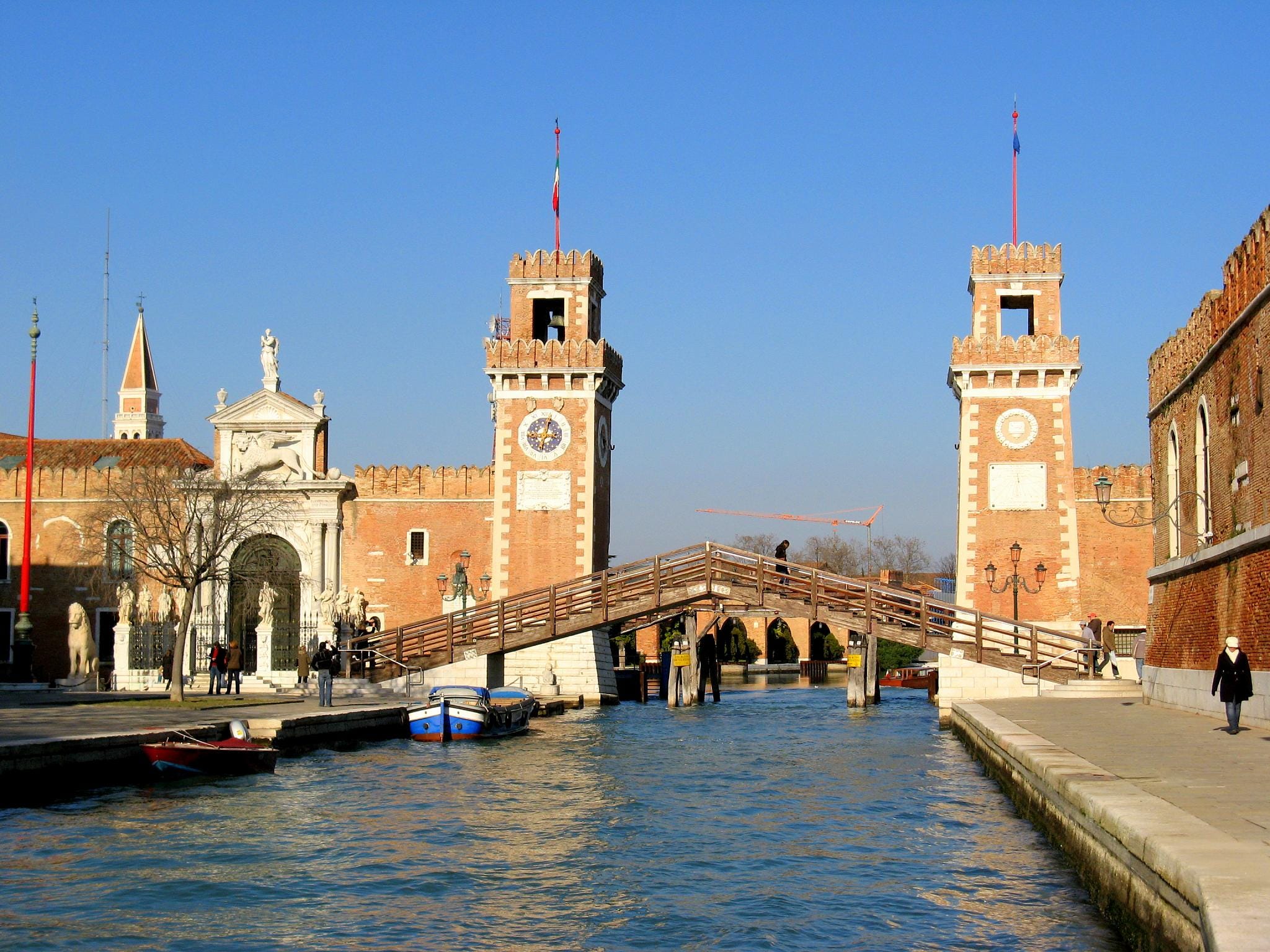
In Antwerp, the painters’ guild did not ask what a man intended to paint; it required a meesterstuk, examined against criteria that predated his arrival. In monastic chapters across Europe, conduct was reviewed at fixed intervals, regardless of whether the individual felt in need of correction.
These were not systems of encouragement. What these systems did was enforced visibility: they removed the possibility of relying on one’s own sense of adequacy.
But as you know… they have largely disappeared.
In their place came a single instruction: be reflective, be open-minded, adjust as necessary. It sounds like a replacement. But fails to be one, as it leaves the timing of correction entirely to the person most invested in delay.
This is the central problem.
