Has it ever happened to you that you made something, and the moment you finished it, you just knew it was right?
You did not need anyone to tell you. You read, watched or listened it back once and felt a particular stillness that only comes when a piece of work has nothing wrong with it left to find. You can probably still imagine the place you were in.
Have you ever been trying to get back there ever since?
Most weeks are lived on autopilot. You sit down at your work, you produce something, you look at it, and it is fine. Competent, and ‘nothing wrong with it’.. which exactly is the problem. Because the best thing you ever made did not just feel fine, it felt inevitable, and you have not been able to explain the difference to yourself in a way that tells you what to do differently on a Tuesday.
Maybe you have settled into a private theory: The good day was a kind of luck. The stars aligned. You were in the right mood. The right mind. The ‘flow state’. But somehow you believe you cannot manufacture a mood, so you wait for it, and most weeks it just does not come… So you ship the ‘nothing wrong with’ piece instead and tell yourself next time will be different.
But here is what nobody told you: That good day was not luck. Unconsciously the conditions were right, but you simply never identified which ones it were, so, like me, you have spent a lot of time hoping for a repeat of an accident… instead of building the thing that caused it.
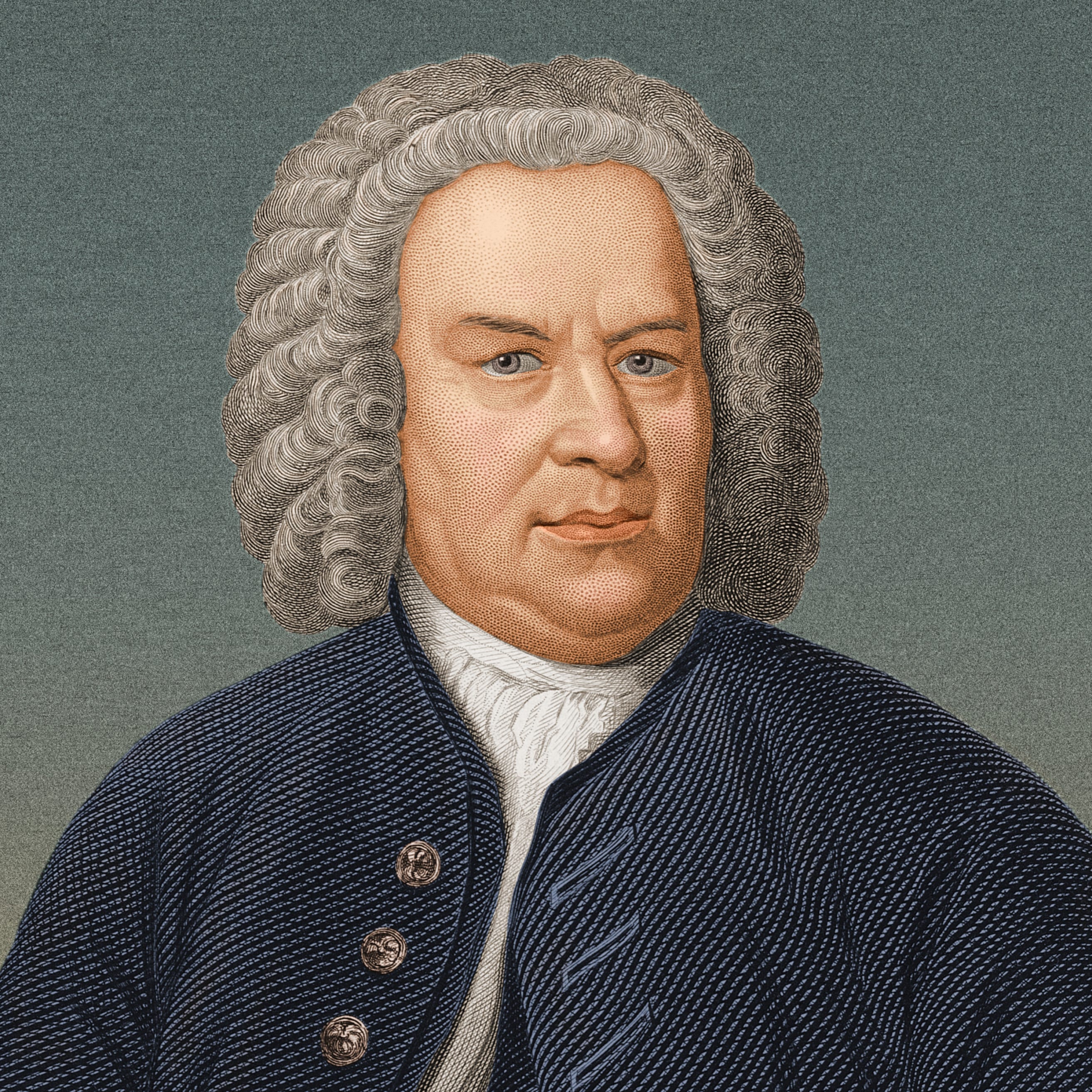
When we look at a composer like Johann Sebastian Bach: he did not have good days and bad days, not in the way we think of it. He had Sundays. His church calendar told him, every single week, what his cantata had to do: this Scripture, Feast, this argument, ready by this date, no extensions, and a congregation arriving whether the piece was inspired or not.
He wrote over 295 cantatas under that exact pressure, and his standard did not rise and fall with his mood, because his mood had been made irrelevant before he ever sat down.
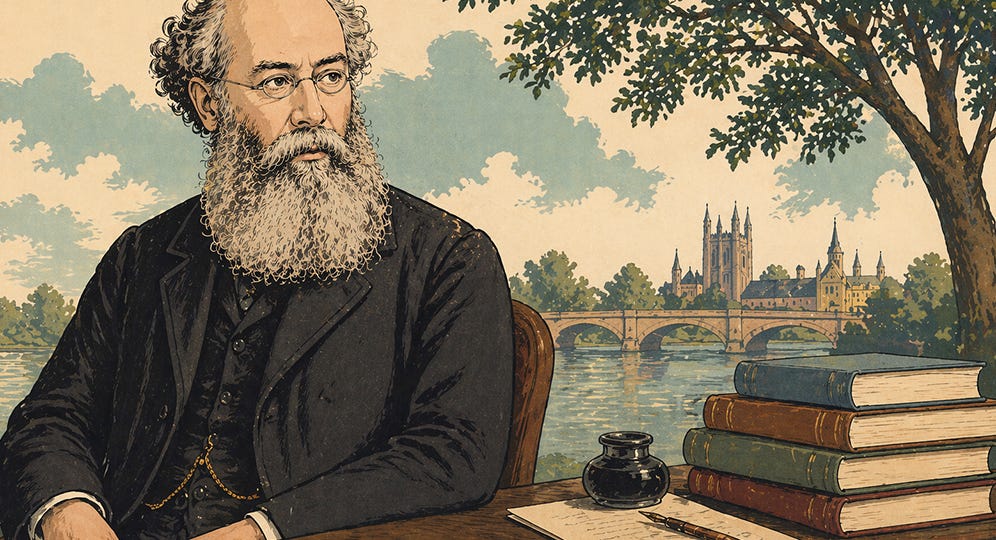
Author Anthony Trollope went even further. He put a watch on the desk. Two hundred and fifty words every fifteen minutes, written in three hours every morning, before he left for his job at the Post Office.
If a novel ended mid-session, he did not stop to savour it. He turned the page and began the next one. Sixty-three novels in thirty-five years, from a man who appears to have simply stopped asking himself whether he felt capable that day. The question was no longer on the table.
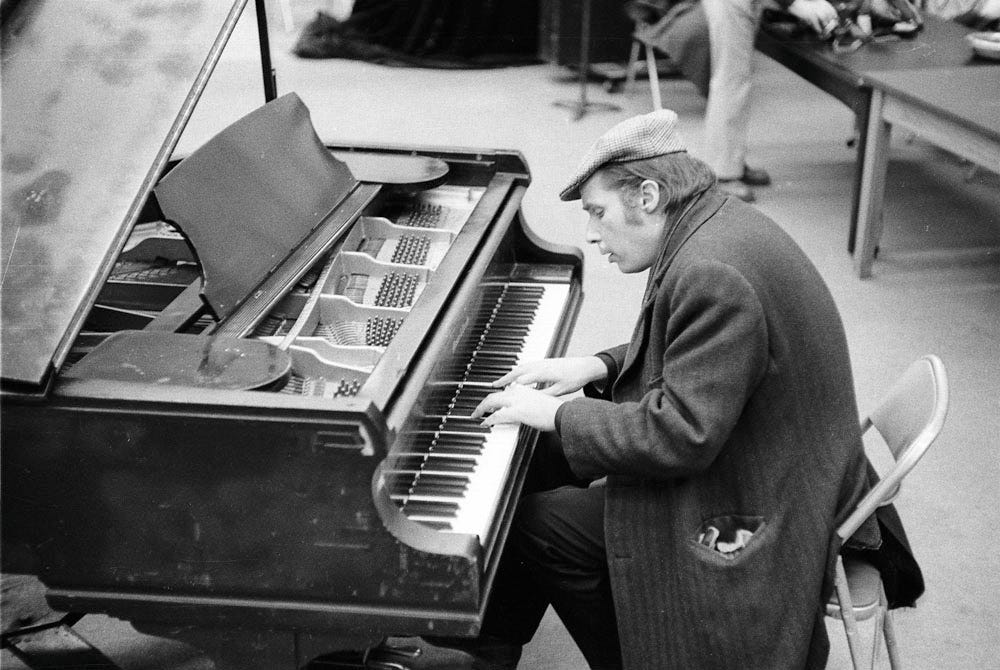
Musician Glenn Gould did something that looked, to everyone watching, like he was throwing his career away. At thirty-one, at the height of his fame, he walked off the concert stage forever. No more audiences or concert nights where a hall full of strangers decides in real time whether this is one of the good ones.
He disappeared into a recording studio where he alone controlled the temperature, the chair height, every splice, every take. The recordings from that room are the ones still being listened to sixty years later. He did not get more talented in there. He removed the one variable that had been making his talent unreliable.
Filmmaker Yasujiro Ozu refused to move his camera. It was on a fixed height, no pans, and no tracking shots. He used this for thirty years and made dozens of films. From the outside it looked like a man who had stopped growing. From the inside it was a man who had taken away the one tool that lets a director hide behind technique on the days the scene itself is not good enough yet.

None of these four men were trying to recapture a good day. What they did was to built a room with fixed walls — and let the room do what your memory has been waiting to do. They literally made it impossible to procrastinate on an idea.
You might already have constraints… you simply did not choose them.
Algorithms write you a brief for creativity: make the thing that performed yesterday. Your inbox has already set your deadlines, for someone else’s priorities. Your phone is already a fixed condition in every sitting you attempt, just the wrong one.
You are not missing constraints, but are probably operating inside the wrong ones — and that is the entire distance between the ‘perfect’ work you made some time ago and the work you shipped this week.
The conditions are not complicated. They were never were…
Heritage Standard’s thesis is that inherited standards (craft, faith, order) were not talent or luck, but were structures, deliberately built and now dismantled. That is why everything is ‘slop’ right now.
Below you find a 5-step framework that applies that same thesis inward, to your own work. You are not untalented, but are probably missing the structure (Bach’s brief, Trollope’s hours) and living inside the wrong one (algorithm, inbox, phone) instead.