


How my brother’s death in a Chinese restaurant on a Malaysian island started my search through Buddhism and Catholic missionary history, and ended with the discovery that the West already had the same ‘Asian’ practices, under a different name, before we lost them.
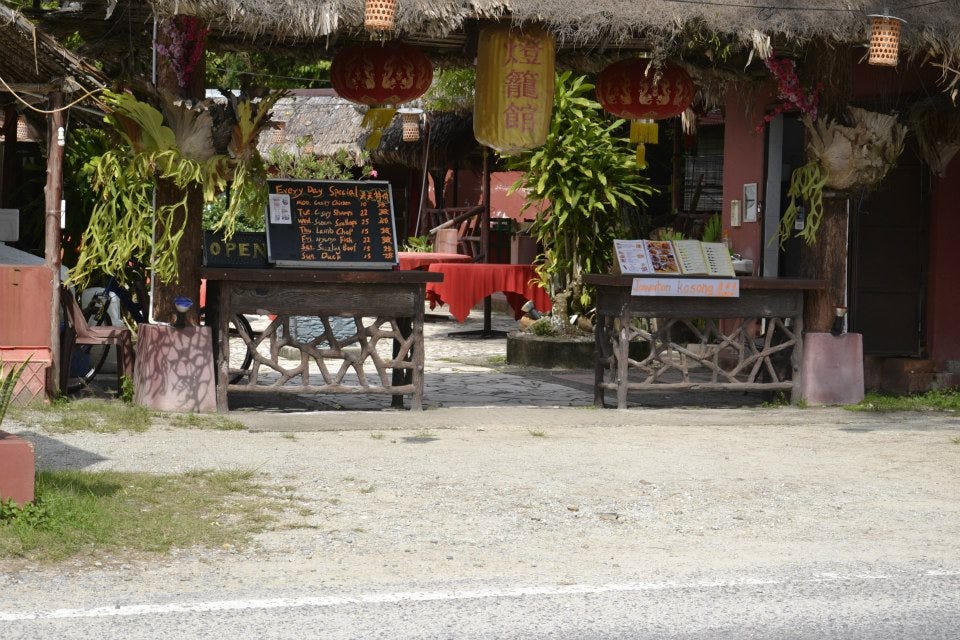
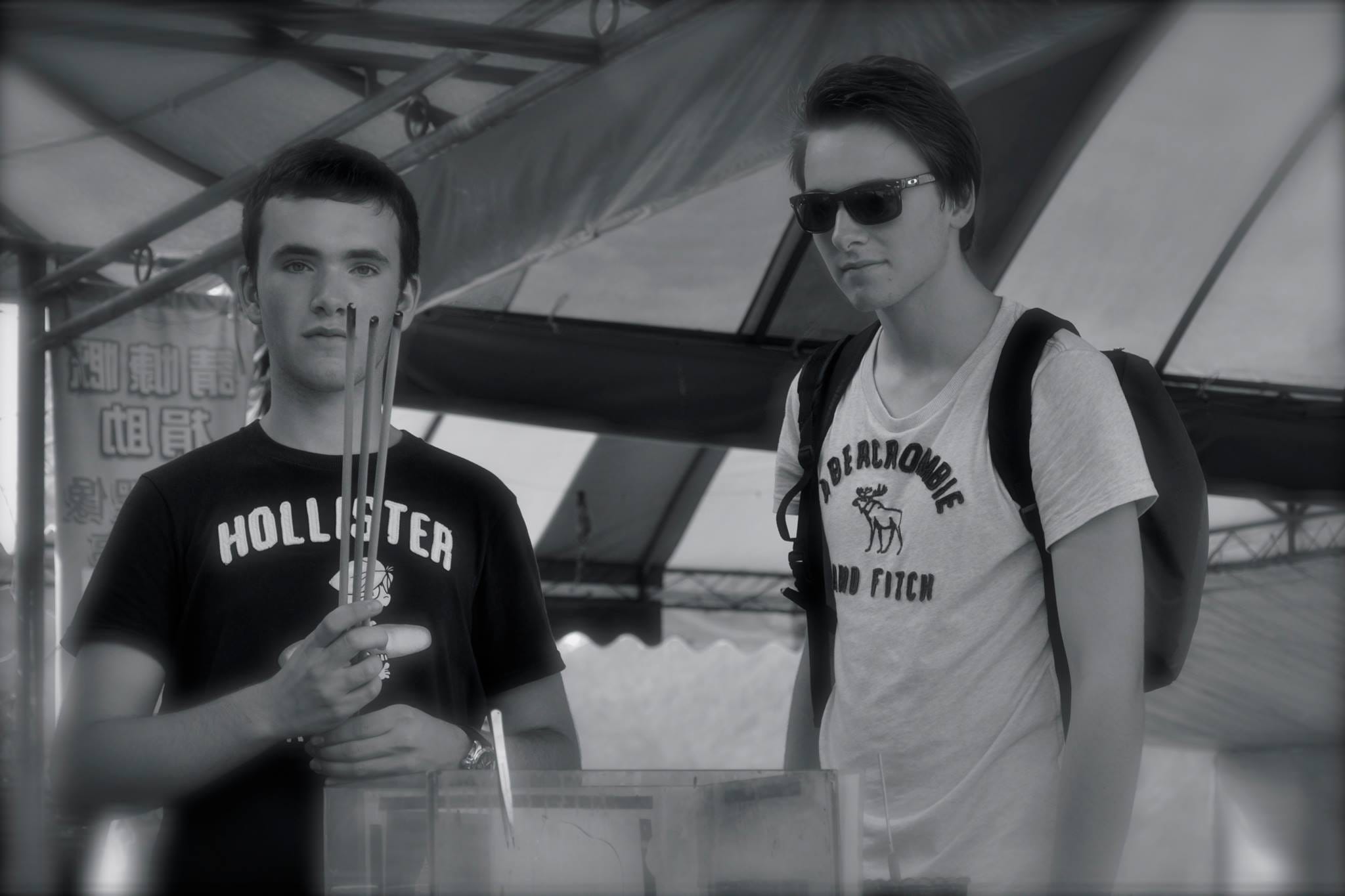
My brother died in 2012, on Langkawi, the day after I had shown him how to burn incense at a Buddhist temple on the island of Penang. I was only fifteen at that time.
I had meant it as nothing more than a curiosity, something to show him on a holiday. For me it felt not that different than lighting a candle in a chapel. It became one of the last conversations we had.
While on Penang, we walked past the old clan houses the Chinese clans there had built generations earlier, most of them kept intact, still used, and maintained by descendants of the men who built them. Much better maintained than the rest at that time… Malaysia is a lot richer now than 14 years ago.
I remember thinking, with the strange clarity grief sometimes gives a boy that age, that I wanted something like that for my own family one day. It looked cool, and sounded cool to know who your ancestors are. I wanted to build a house that outlasts me, the who starts it… To this day I have not built it yet. But that is where the desire started.


What followed after my brother’s tragic death was a serious study of Zen Buddhism, somehow specifically the teaching of Dogen Zenji, who is Japanese. It made me feel like those Asians had something to stay ‘in touch’ with the family members they had lost. I wanted that too, since I just lost my own brother.
At age sixteen I was already considering becoming a monk. Researching Zen Buddhism led me to discover the Catholic missionary history of China and Japan, which oddly let me into Confucianism, because Japanese art, morals, and ritual sit on a Chinese foundation.
Most of my friends growing up were Chinese, which had already pointed me toward that part of the world before any of this began. Maybe you know Asian parents, and how reserved they are around us white folks, but even they were amazed about how much I know about their history.
Thank God Covid-19 happened, which finally put a Bible in my hands again (raised Protestant, yet unbaptised), and the book of Leviticus was the one that removed the doubts I still had about the Church. Which were not about idolatry, but for me, since my point of reference was Protestantism, ‘Christianity’ lacked certain rituals, traditions etc.
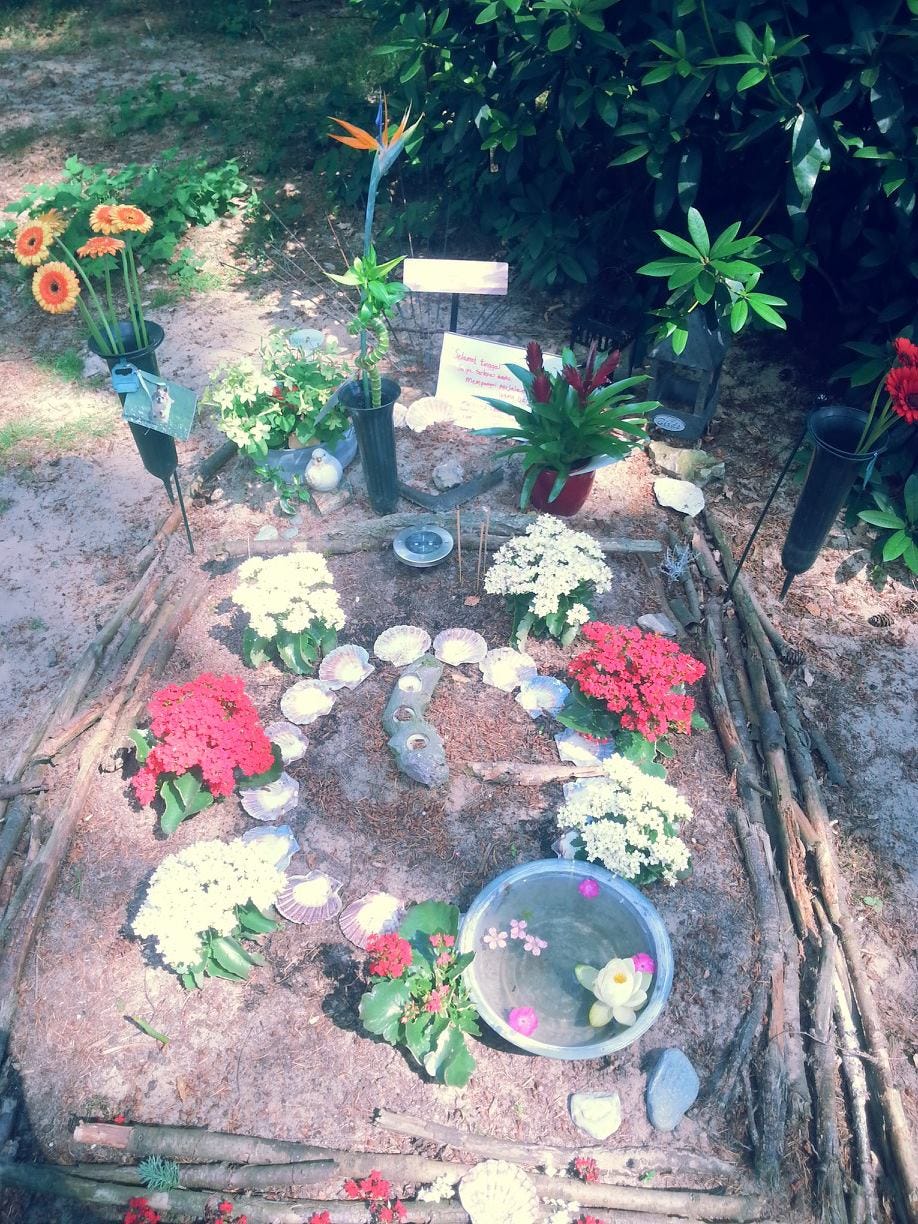
When reading Leviticus I noticed something I could not unnotice afterward… Buddhist practice, the chanting of sutras, the long sitting, the contemplation, resembles a Protestant service far more than it resembles anything Catholic: words recited, a mind turned inward, no fixed form handed down by command. See, I already tried to ‘supplement’ it with Shinto and animist influences, which… might I say... fired back to me in a very negative way.
The Book Leviticus is the opposite of Protestantism and Buddhism... God did not ask Israel to contemplate him. He prescribes, in exhausting detail, exactly what a priest should wear, what the altar holds, and what gesture happens in what order. It was liturgy, not a Protestant Sunday service. I noticed that I had been looking for that structure in the wrong tradition… my own culture and ancestors (Catholics) already had everything that I sought…
Yet, my indulgence in Sino-Japanese philosophy has helped me greatly to understand what tradition and transmission means, and what we lost along the way.
I do not propagate importing Chinese customs or their cultural imperialism. I hope you can recognise which parts were already yours, under a name nobody taught you, and recognise exactly where the resemblance has to stop.
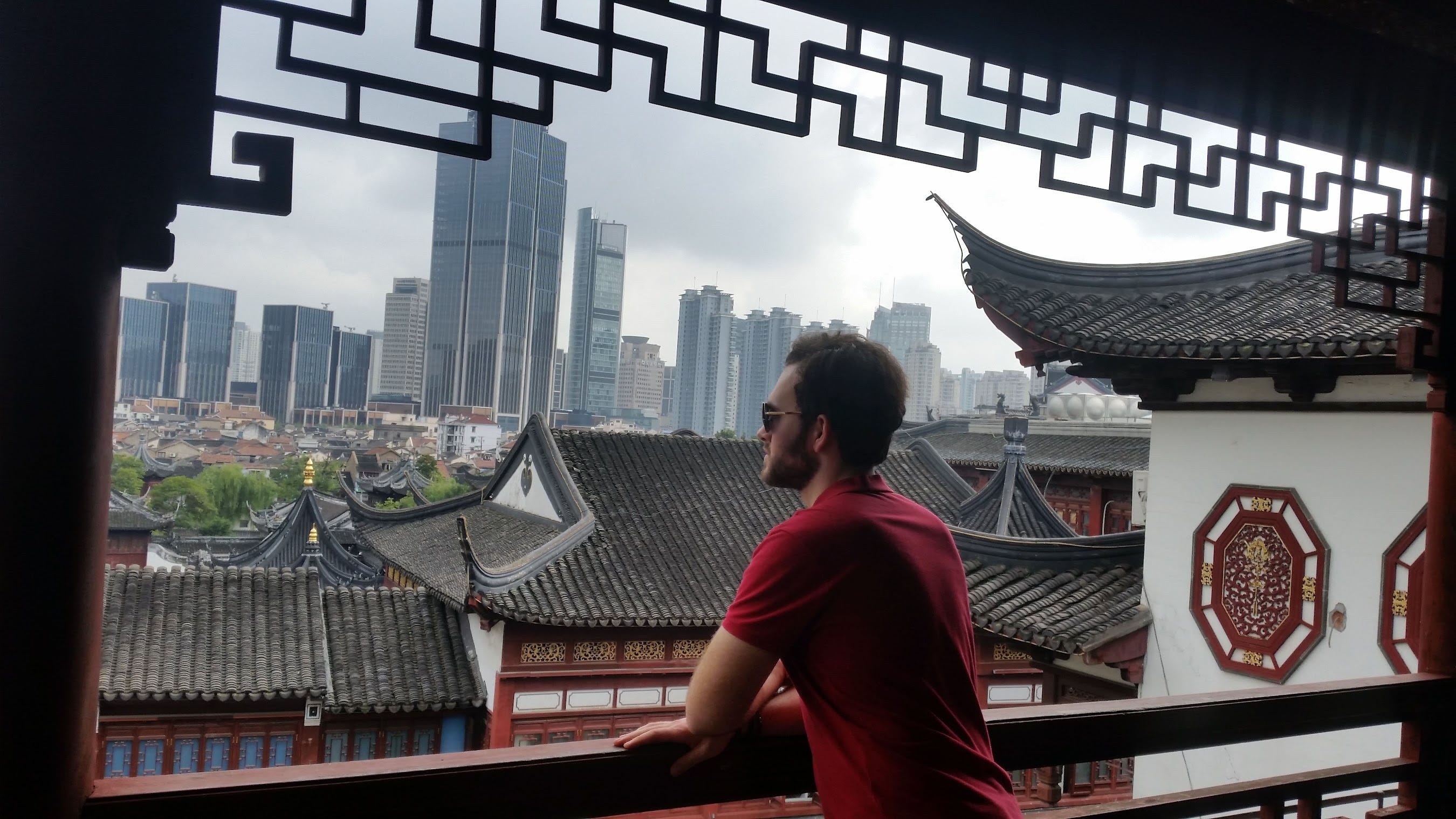
China plays the long game… We no longer play any game at all!
A Chinese clan typically kept a written genealogy, called the zupu: recording births, marriages, and deaths across centuries, used to settle inheritance, arrange marriages, and decide who owed support to whom.
Many Chinese clans ran a charitable estate dedicated to the family line.
Fan Zhongyan founded one in Suzhou in 1050, to fund grains and education for his descendants, and estates like it were still recorded functioning in the twentieth century, nine hundred years after he died.
Penang’s clan houses are a visible, later version of the same structure, built by families who intended to still be a family in a 1000 years and built accordingly. This is still law, custom, and administration, resting on one assumption: no outside institution will secure your family’s future, so build something your household can run without help for 10 generations.


The West was built on an opposite assumption. Noble houses kept genealogies and endowed chantries, chapels where a priest was paid in perpetuity to say Mass for the family dead, but this depended on crown law and inherited wealth holding steady.
Unlike China, ordinary households never had access to any version of it, and when the state turned against the mechanism, the noble version collapsed with it.
China for all its faults and destruction of Mao Zedong still managed to keep family structures to survive without institutional support. The West built family structure to depend on it.
We had a similar system in many places in the west. In my ancestral village of Giethoorn, the eldest son inherited the farmhouse (Blijversrecht).


What Catholic missionaries decided could be kept
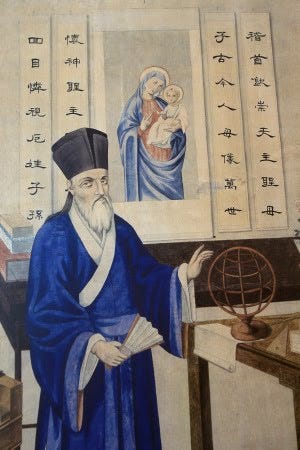
Matteo Ricci SJ faced it directly when the Jesuits entered China in the 16t century. He had to answer one question before he could baptise anyone: which parts of Chinese family life were compatible with the Gospel, and which were not?
He judged that civil rites are fully compatible: the written genealogy, the family hierarchy, the elder’s authority, the practice of remembering the dead by name. And only judged one thing incompatible: treating the ancestors as gods owed sacrifice, rather than as the dead owed memory and prayer.
The Franciscan missionaries supplied the part a court appointment could never reach.
Friars working in Shanxi province did the parish work that no scholar’s title covered: burying the dead, administering the sacraments, staying in the village after the important men had gone home.
Between the two orders sits a complete, working answer to a question most Catholic men have never had put to them directly. Not whether to honour your dead. But exactly how, and exactly where the line sits that I did not see at sixteen.
In my opinion China could have been a fully Catholic country, and have avoided all the terror of communism. Their societal structure was completely optimised for it.
Since that sadly did not happen, here is the lessons we can still take from this baptised version of Confucianist metaphysics…
