


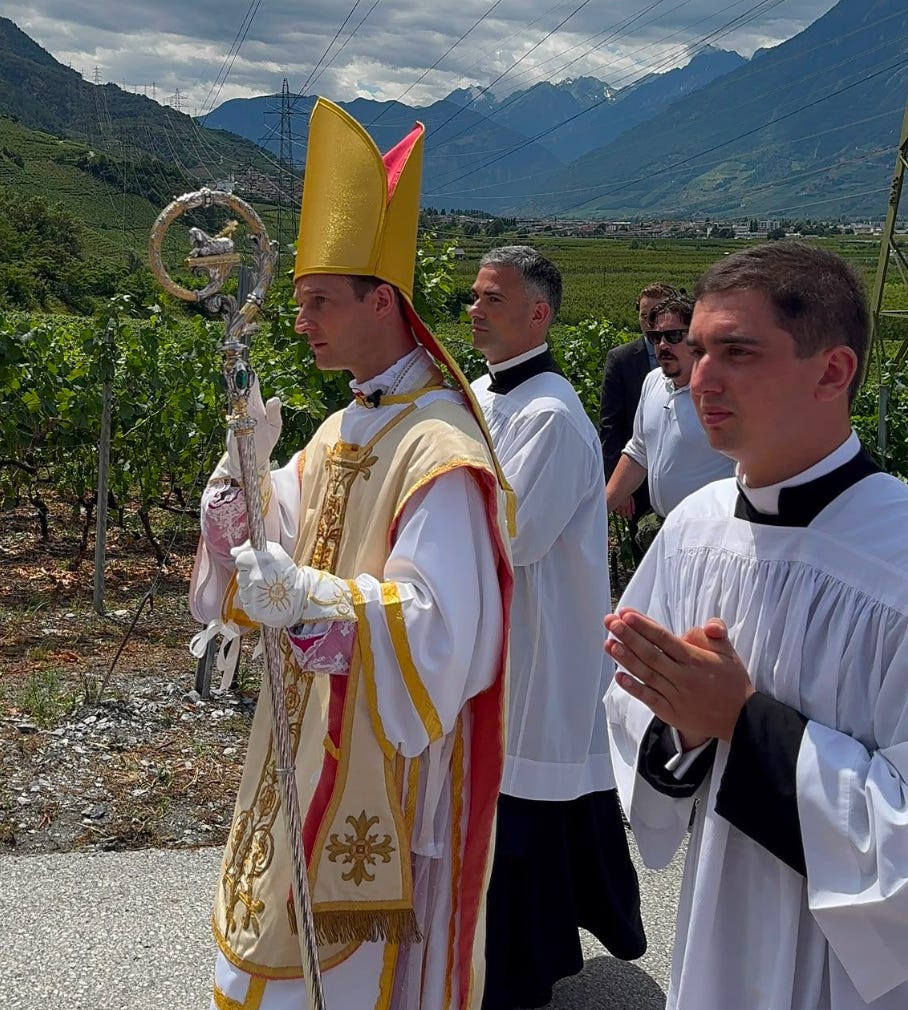
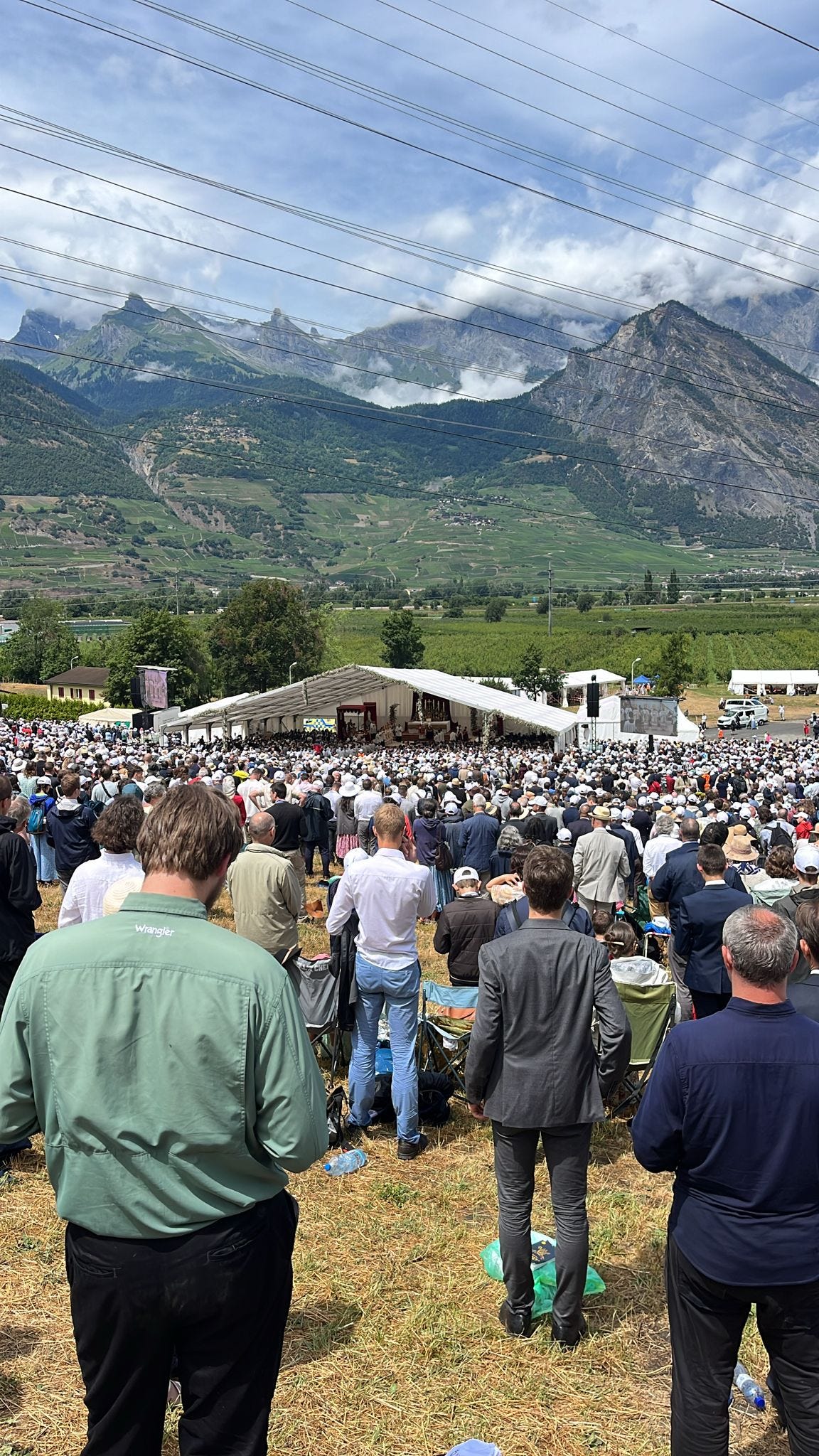
On the 1st of July 2026, on a field in Switzerland, four men knelt while two bishops laid their hands on each of them in turn. Around them fifteen thousand people sat under the rain and burning sun. They had come from Poland, France, USA, Japan, Australia, Uruguay, Mexico and other corners of the globe.
In the crowd a child asked his mother what was happening. She said: just watch.
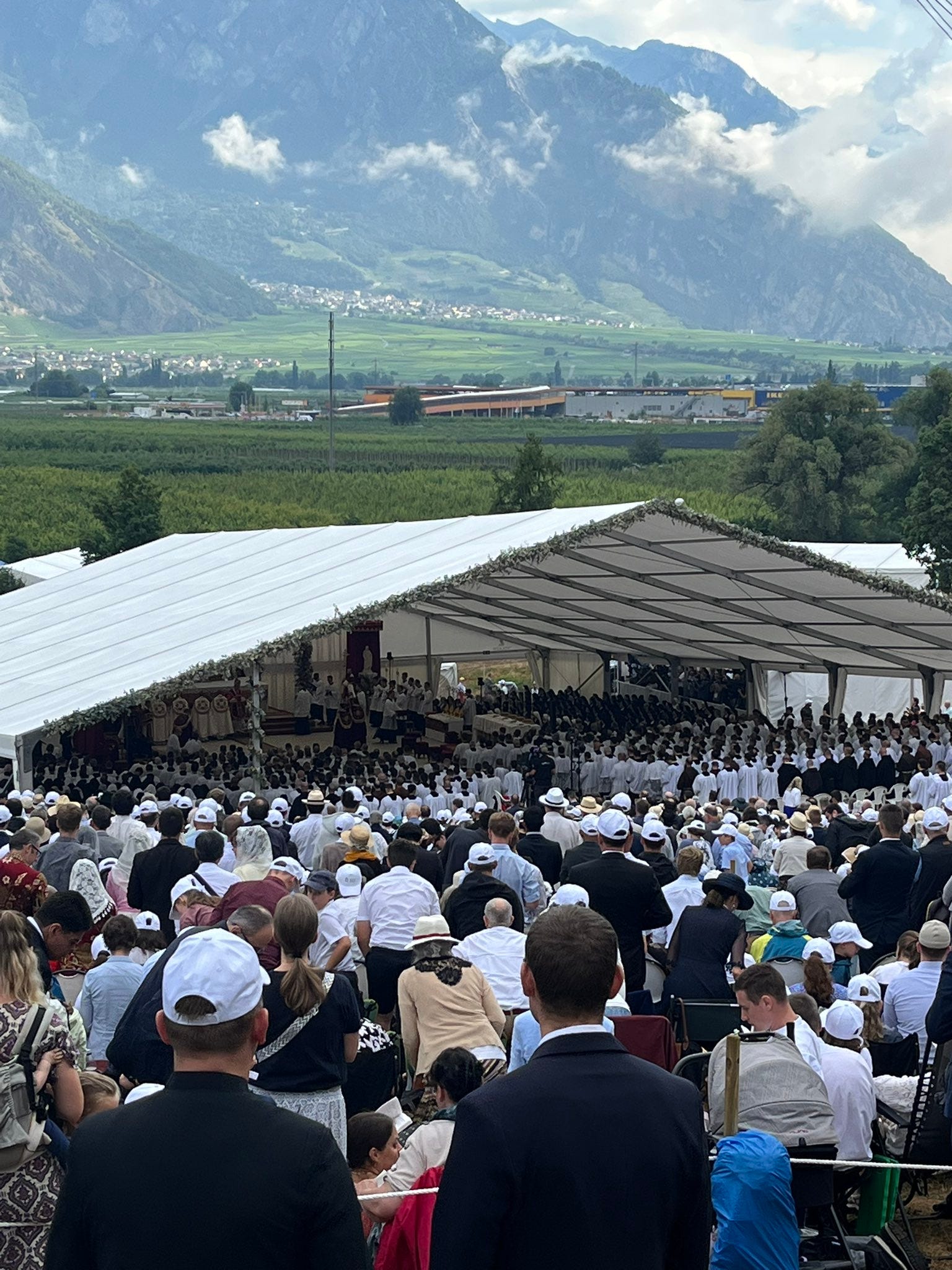
The last episcopal consecrations on this meadow were done in 1988.
Only a few years before that, in 1981, two marketing men writing about soap brands explained why that moment matters more than Rome would like to admit.
Marketers Al Ries and Jack Trout wrote about soap brands. About car companies, soft drinks and the battle for shelf space in the American supermarket. Their book Positioning is one of the most practically useful things ever written about how institutions survive in a world saturated with competing messages.

It is not a book about theology, and has no stake in the outcome of any ecclesiastical argument. Yet it contains, in one chapter, the most precise diagnosis of the Catholic Church’s institutional collapse any secular source has managed to write.
Their argument is simple: In a world overwhelmed with information, the only position that survives is the one that is already clear, already specific, already occupying a space in the audience’s mind that no competitor can claim.
You do not win by nuancing your message until it satisfies every objection. But you win by holding your position so plainly and so consistently that the audience knows exactly what you are and what you are not.
The moment you begin negotiating your position, adjusting it for different audiences, softening it for critics, or opening it to committee revision, you begin the process of losing it. And once a position is lost, it cannot be recovered by occupying the same ground more loudly. The ground is already gone.
The position the Catholic Church held, and held uniquely, for two thousand years was: ‘We are the guardian of a fixed deposit.’
The Catholic Church was never a facilitator of dialogue. Nor a convener of community. Nor a partner in the search for truth. They were THE guardian.
The institution that received a specific deposit, holds it intact, and will pass it on unchanged to the people who come after.
No other institution in the world has ever claimed that position, because no other institution has the history to make the claim credible. Ries and Trout saw it from the outside with the clarity that outsiders sometimes manage precisely because they have no emotional investment in the outcome.

Position the Church as the Teacher of the Word, they wrote. The one institution in an overcommunicated culture holding a fixed, unchanging message no competitor can claim.
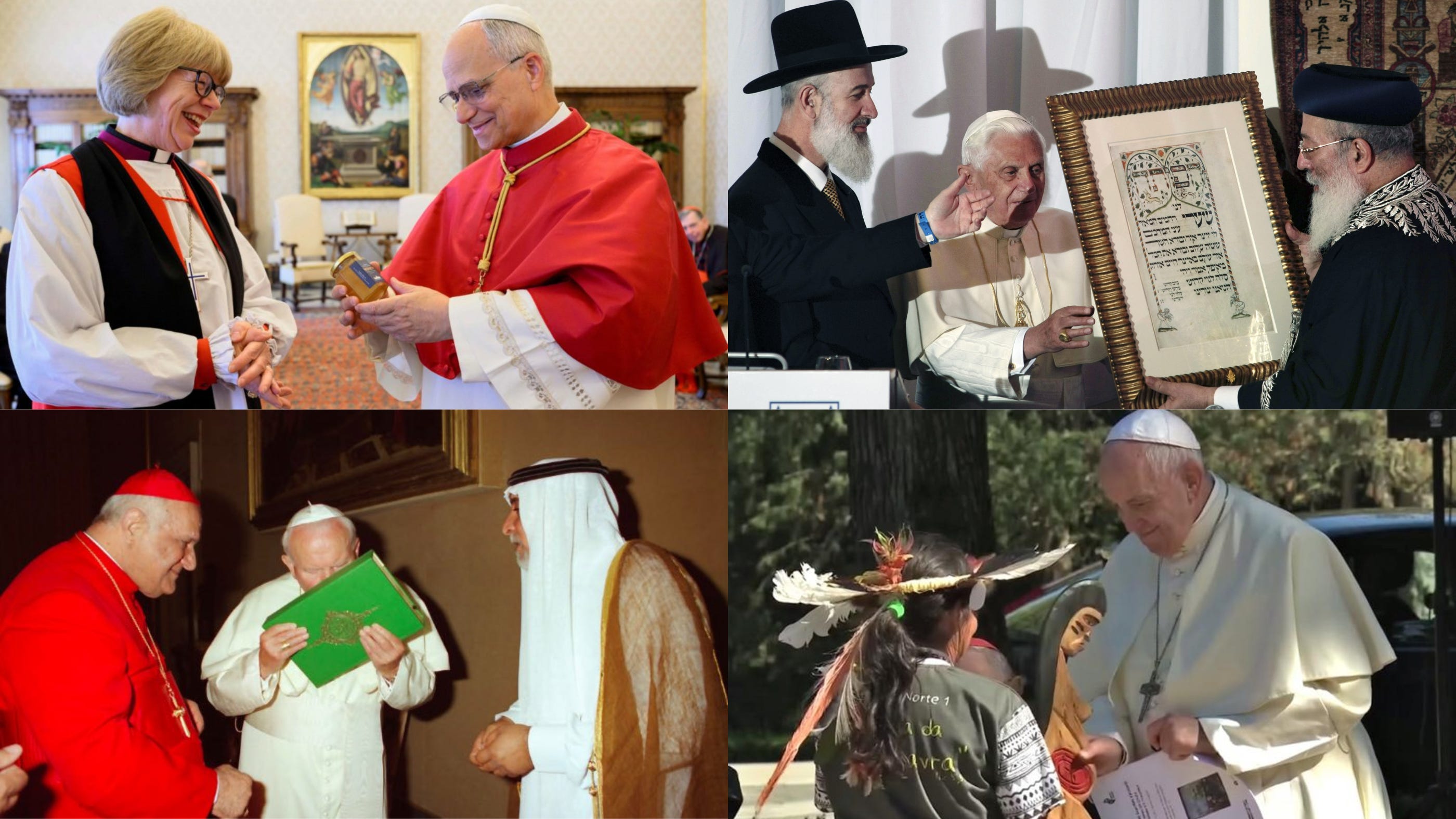
But instead, the post-conciliair Church chose the opposite path. It reached for dialogue, accompaniment, synodality, and listening. The vocabulary of a process rather than a position. A managed brand with no fixed content is a brand that dies from the inside while the buildings still stand outside, waiting for a buyer.

What the institution actually was
To understand what was lost within Catholicism, you have to understand what the thing actually was before it was managed into a permanent state of dissolution.
The priesthood was never a license issued by an office. It was a chain of hands. One bishop laying hands on the head of a priest, so that the line does not break, stretching back through twenty centuries to the Twelve Apostles in their upper room and the instruction to do this in memory of Christ.
A bishop became a bishop because another bishop, validly consecrated himself, laid hands on him and spoke the words the Church has always spoken over that moment. Rome could assign him a diocese.
Rome could tell him where his jurisdiction ran and where it stopped. But Rome could not manufacture the grace that passed through his hands, because that grace never came from an administrative office in the first place.
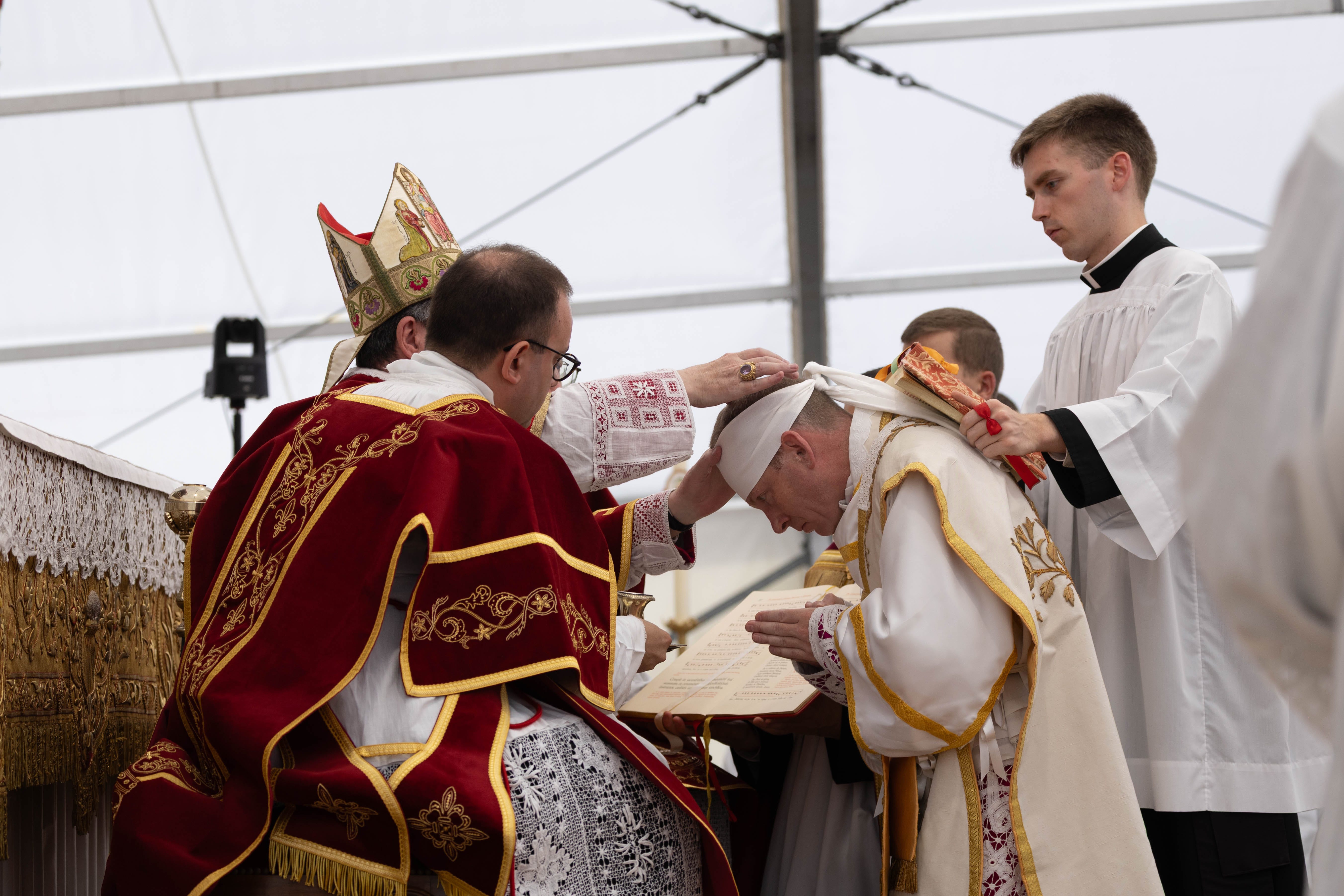
This distinction, between the power of order and the power of jurisdiction, is the load-bearing wall of the entire structure. Order is what passes through ordination, hand to head, generation to generation.
Jurisdiction is what Rome grants and Rome can withdraw. The two are related but they are not the same thing, and the entire history of the Church’s survival through catastrophe depends on keeping them distinct.
The Church outlived every disaster the last two thousand years produced because of this distinction, not in spite of it. Popes died in exile at Avignon while their sees in Rome sat empty. During the Western Schism, three men simultaneously claimed to be the Vicar of Christ, and for decades no serious theologian in Europe could say with confidence which claimant held Peter’s chair.
Saint Athanasius was expelled from his own see and excommunicated by a pope under pressure from an Arian court. He went on exercising his episcopal ministry from exile because what he retained through the deprivation was the power of order, distinct from the jurisdiction Rome had stripped from him.
Through every one of these ruptures the chain held, not because some person somewhere kept signing the right forms, but because the chain does not run through a chancery. It runs through ordination, hand to head, generation to generation, and a bureaucrat’s memorandum has never once broken it.
And exactly this is the hidden infrastructure of our entire European civilisation.
Transmission is not the buildings, not the art, not the philosophy, allthough all of those grew from it. Transmission is the chain itself. The living tradition of something received, held intact, and passed on.
Every cathedral in Europe, every hospital, every university, every guild that once enforced standards of quality in craft and trade: all of it downstream of this single mechanism.
The Catholic Church did not build European civilisation by being powerful. But by being the one institution that understood transmission as an obligation rather than as a service.
How the position was vacated
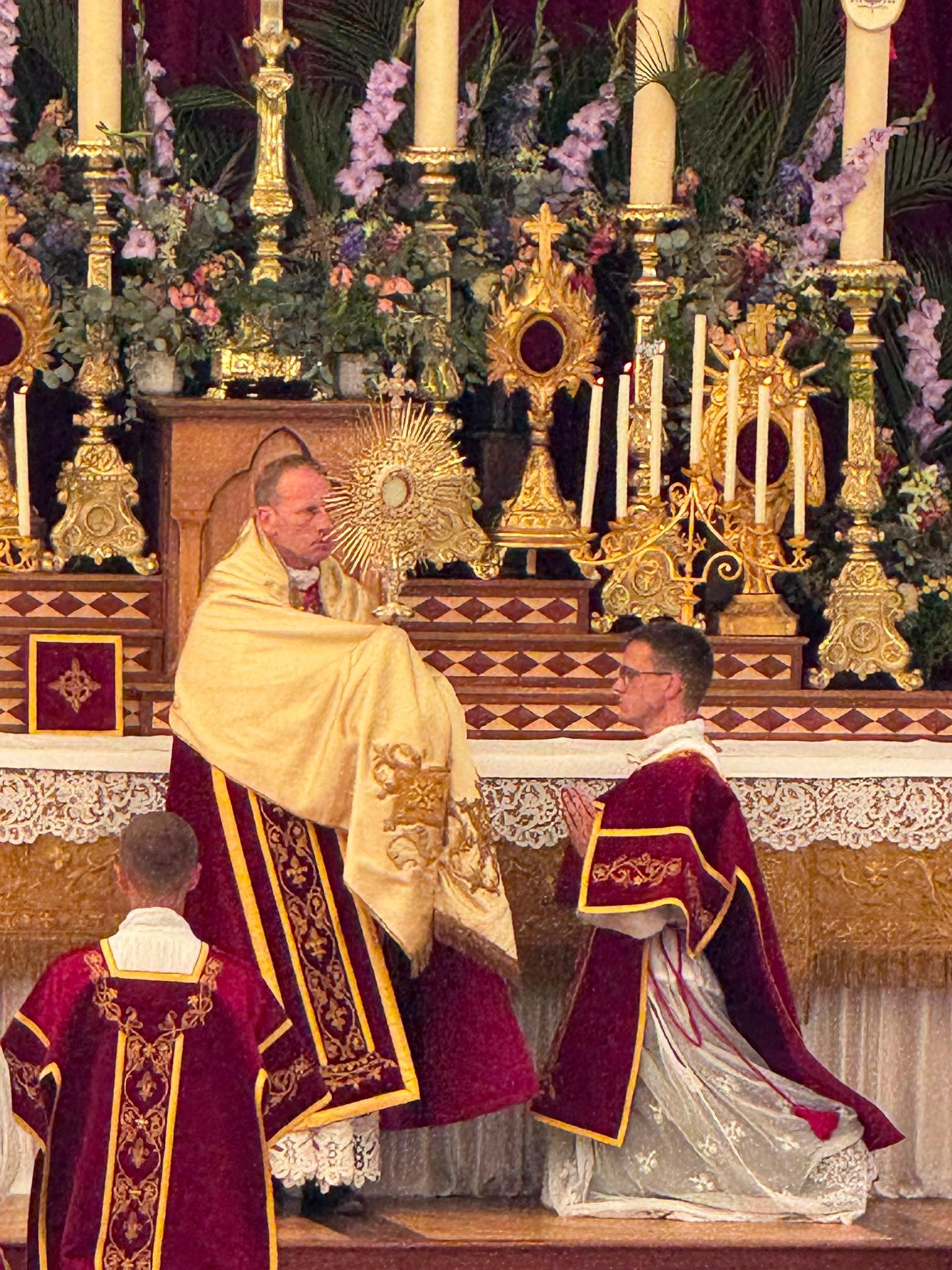
Vatican II did not close a single seminary by decree, and defrocked no one, but did something quieter and considerably more effective: It began the slow work of replacing the priest as guardian of a fixed deposit with the priest as facilitator of an open process. The man who convenes rather than the man who guards. The animator of a community rather than the alter Christus standing at the altar to offer sacrifice on behalf of the people.
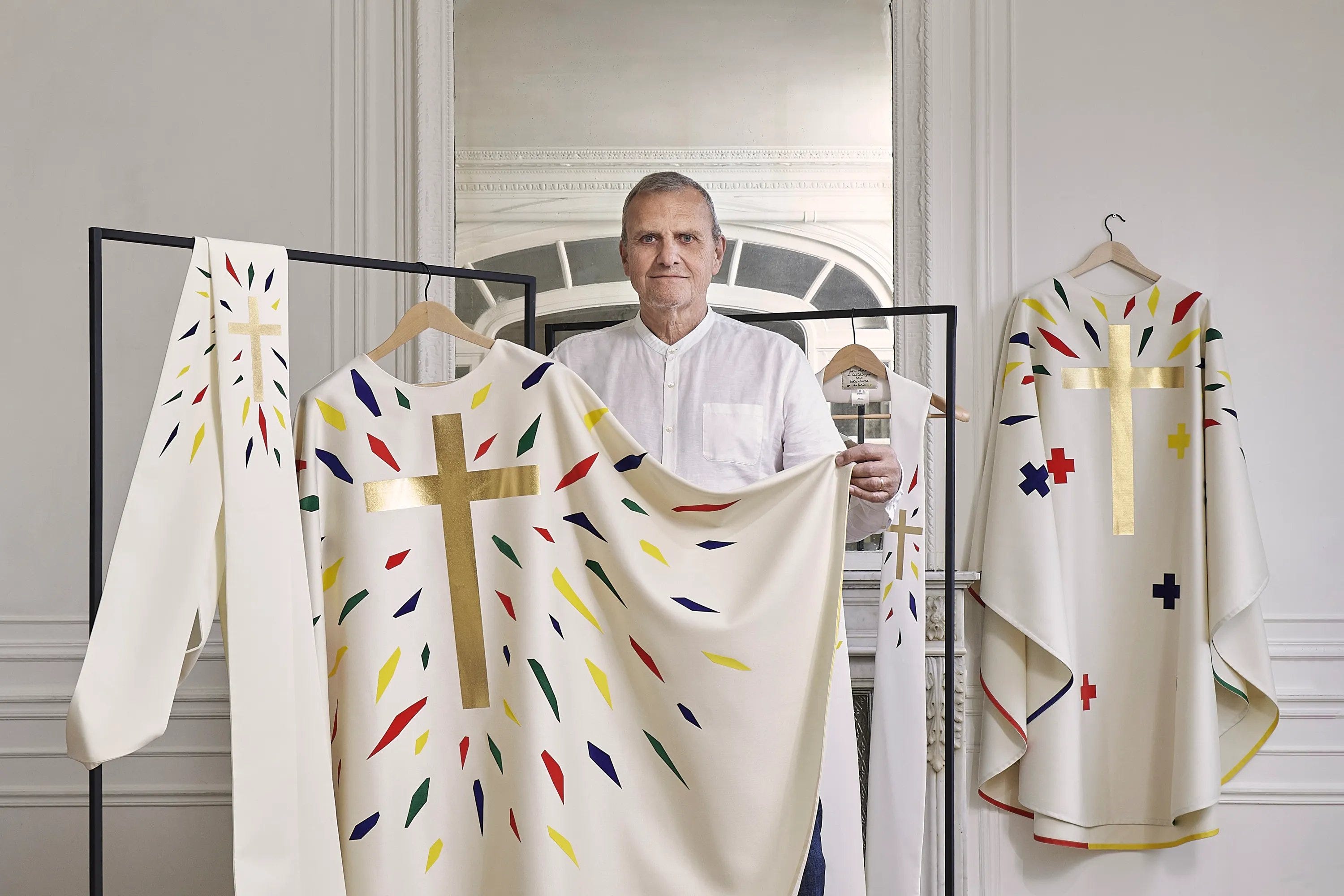
Between 1965 and 1975, tens of thousands of priests across the world left active ministry, a haemorrhage without precedent in the Church’s history. The vocation crisis is so deep, that we are 1 or 2 decades away from having no functional diocesan priests in the western world.
The seminarians who filled the empty places after Vatican II were formed in a different image entirely. And once the office at the centre is redefined this way, everything built around it eventually redefines itself too, because an institution organises itself around whatever it believes its core function actually is.
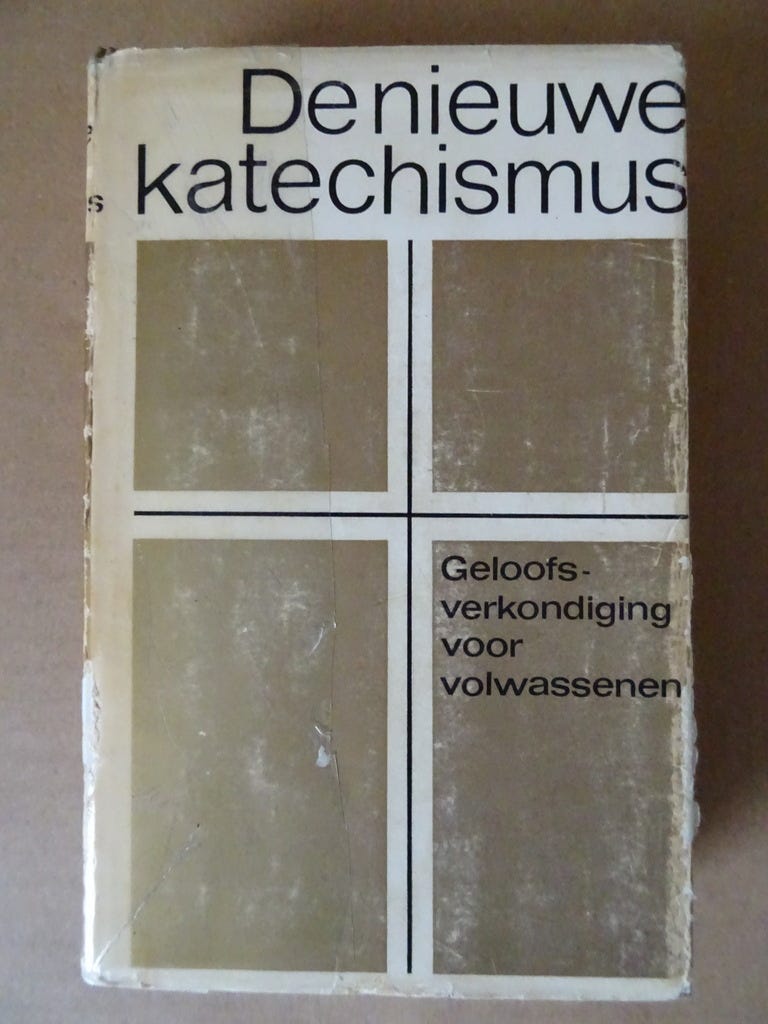
The Dutch experience is the clearest laboratory case anywhere in Europe. Barely a year after the Council closed, the Dutch bishops convened what they called the Pastoral Council of Noordwijkerhout, run through fifteen study commissions and six plenary sessions at a former seminary between 1968 and 1970. Around a hundred and fifty voting delegates attended each session.
What began as an attempt to translate the Council’s decisions into Dutch pastoral practice ended, within four years, with the assembly voting against the obligation of priestly celibacy. The papal nuncio walked out of the session in protest. Rome’s own representative could not stay in the room.
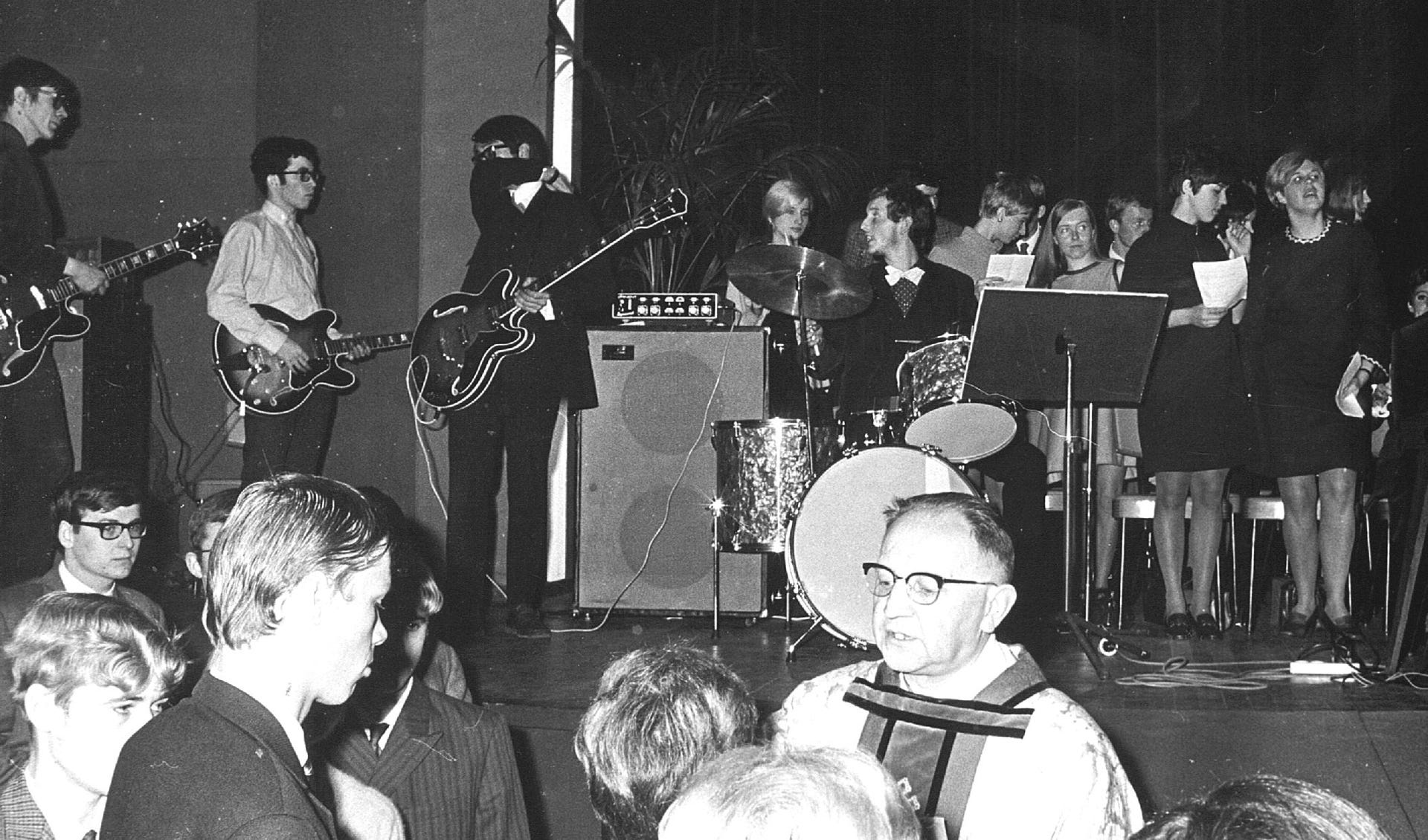
Notice the mechanism, because it is the same mechanism everywhere this pattern repeats. A structure convened to implement pastoral renewal drifts, within a few short years, into a body that treats settled doctrine and discipline as items on an agenda, subject to a vote, revisable by committee.
The vote does not need to win in Rome to do its damage. It only needs to convince the men sitting on it, and the seminarians watching them, that the deposit is negotiable. Once that conviction settles into a bishops’ conference, everything downstream follows the same logic, including what eventually happens to the buildings.
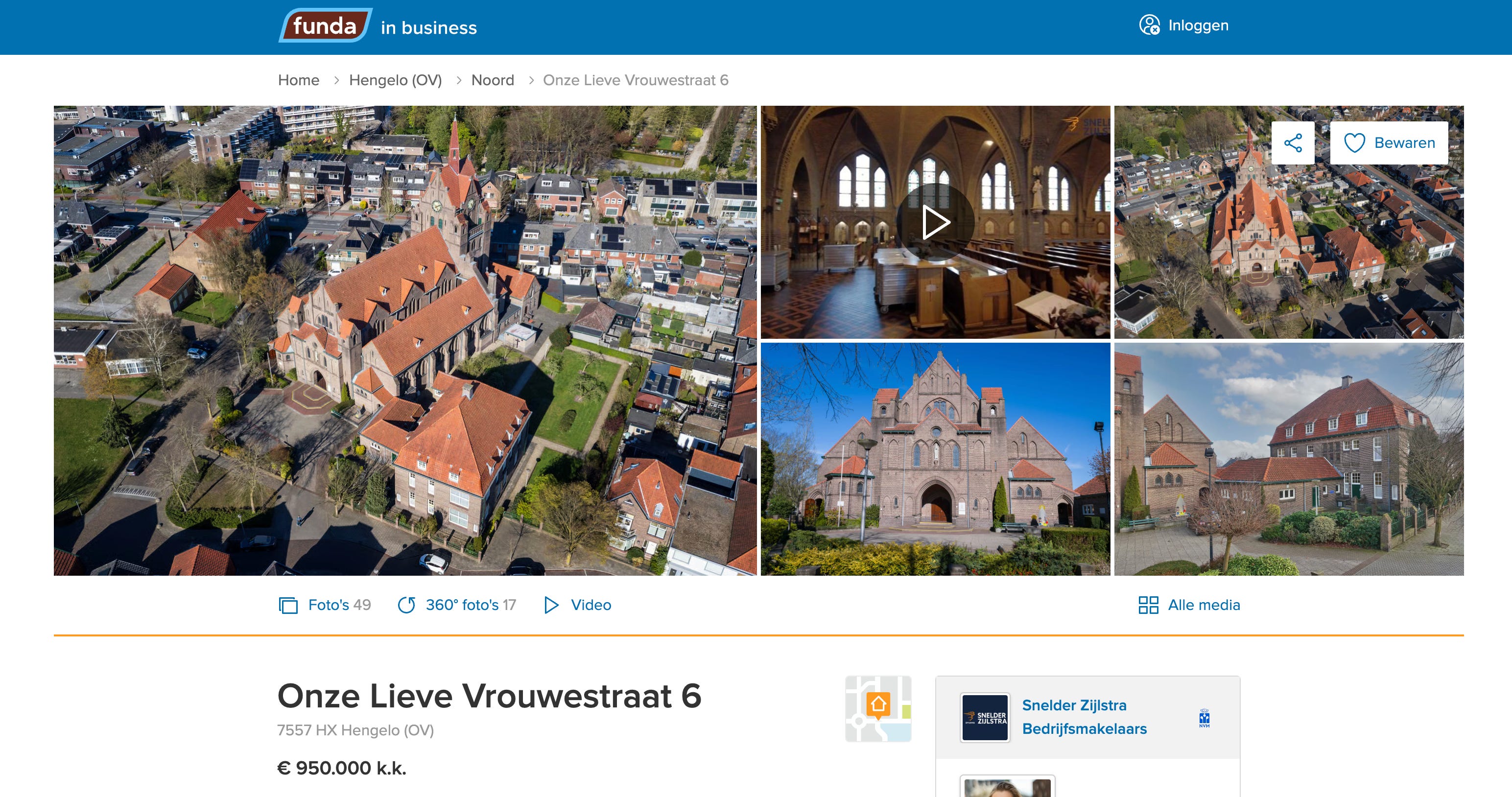
The average Dutch bishop today functions less like a shepherd than like a bankruptcy trustee, closing parishes by the dozen and disposing of buildings that have stood for centuries to whichever buyer will take them off the diocese’s books. But do not challenge him on the cause of the downfall, he will call you a schismatic, while allowing the faithful to play Miley Cyrus songs during communion.
Religious heritage that survived the Reformation, that survived Napoleon, that survived the German occupation, are sold to developers who turn the nave into a restaurant, a climbing gym, a block of flats with the stained glass kept as a decorative feature above the reception desk.


Men who once would have died defending a tabernacle now sign the transfer documents that empty it, and they sign them in the language of asset management, because that has become the only language the institution has left to speak.
This is not decline by accident. It is decline by administration. And it began the moment the deposit became something a committee could put to a vote.
Ries and Trout watched this happen from outside and named it with the precision of men who had no illusions about what institutions are for. The Church stopped teaching and started managing.
A managed brand with no fixed content is a brand that dies from the inside while the buildings still stand outside. The position sat empty, and something else moved into it.

What was actually lost
The buildings are not the point. Buildings can be photographed and listed and visited on Sunday afternoons. What was lost is not stone.
What was lost is the transmission itself. The understanding that what you hold was received, that you hold it in trust, and that the obligation runs forward to people you will never meet. This is the oldest accountability structure European civilisation possessed. Older than the common law. Older than the guild. And older than the university.
The chain of hands is where the obligation to transmit began, and every other transmission structure in European life: the apprentice who receives from the master, the son who inherits from the father, or the craftsman who is accountable to the standard his predecessors established is downstream of this single model.
When the model is replaced by management, the downstream structures lose their justification.
-Why hold the line on quality when the institution that once enforced quality has decided that standards are a form of exclusion?
-Why transmit anything to your children when the institutions around you have decided that transmission is a form of imposition?
The collapse is not confined just to the Catholic Church. The Church is the center: a mirror for the state of the world. Yet the collapse radiates outward into every institution that once understood itself as a guardian rather than a facilitator. The school that no longer teaches. The family that no longer forms. The city that no longer builds.
All of them reflecting, at their own scale, the same substitution: process for deposit, management for guardianship, the open agenda for the fixed inheritance.


The institution that refused
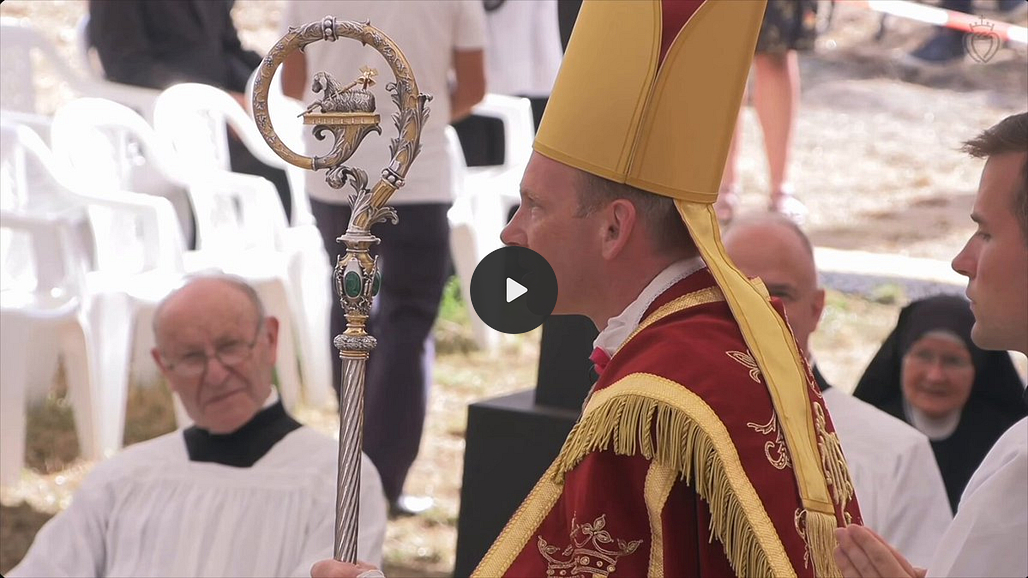
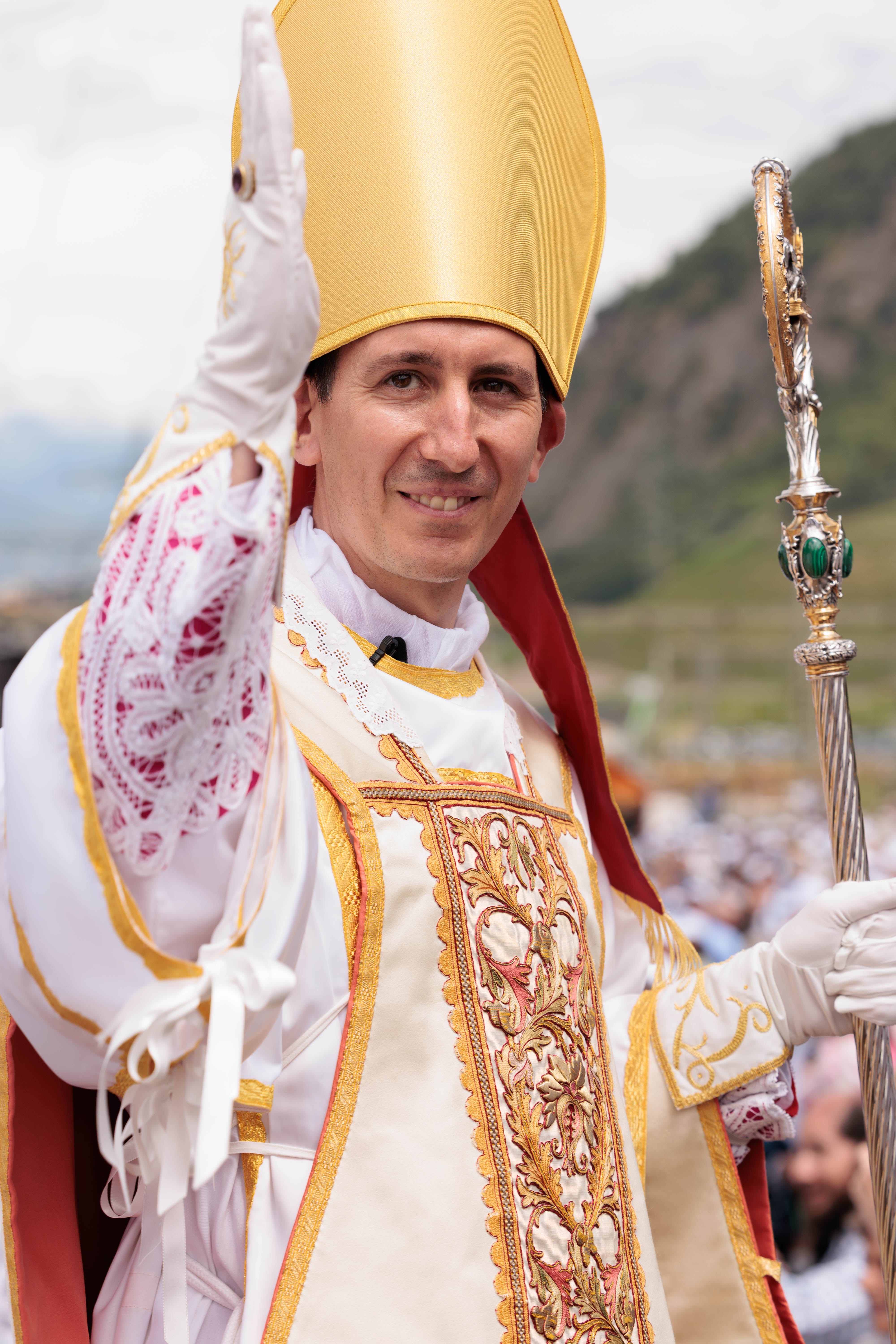
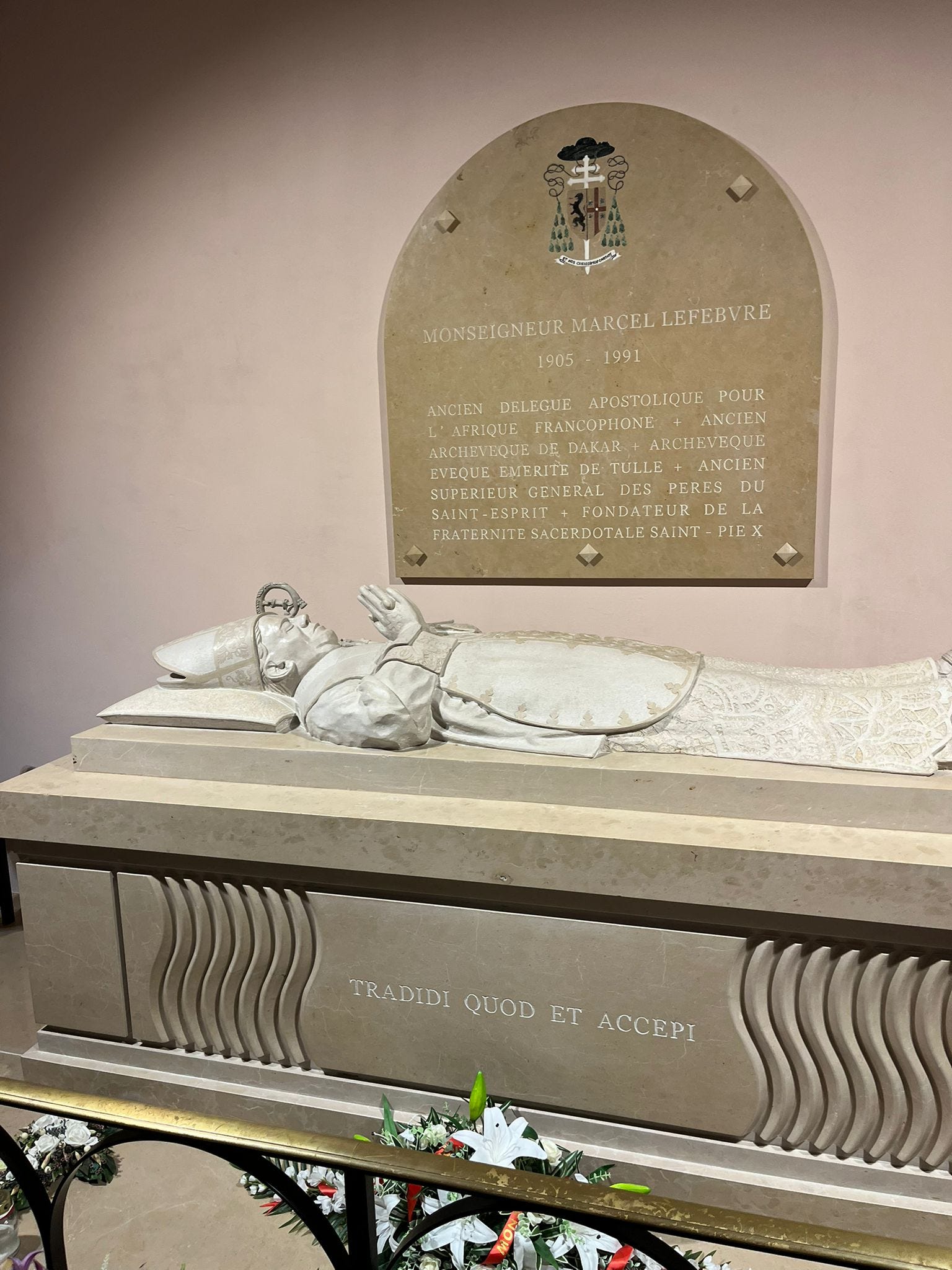
On the first of July, on a field at Écône in Switzerland, four men received what Rome now insists it can withhold. Tens of thousands witnessed it under thunderstorm and burning sun. The ceremony took six and a half hours. What passed between the consecrating bishop and the four kneeling priests had nothing to do with paperwork. It was the oldest transaction the Church possesses: one man laying hands on another, so that the line does not break. A protocol number in Rome cannot touch it. A press release cannot undo it.
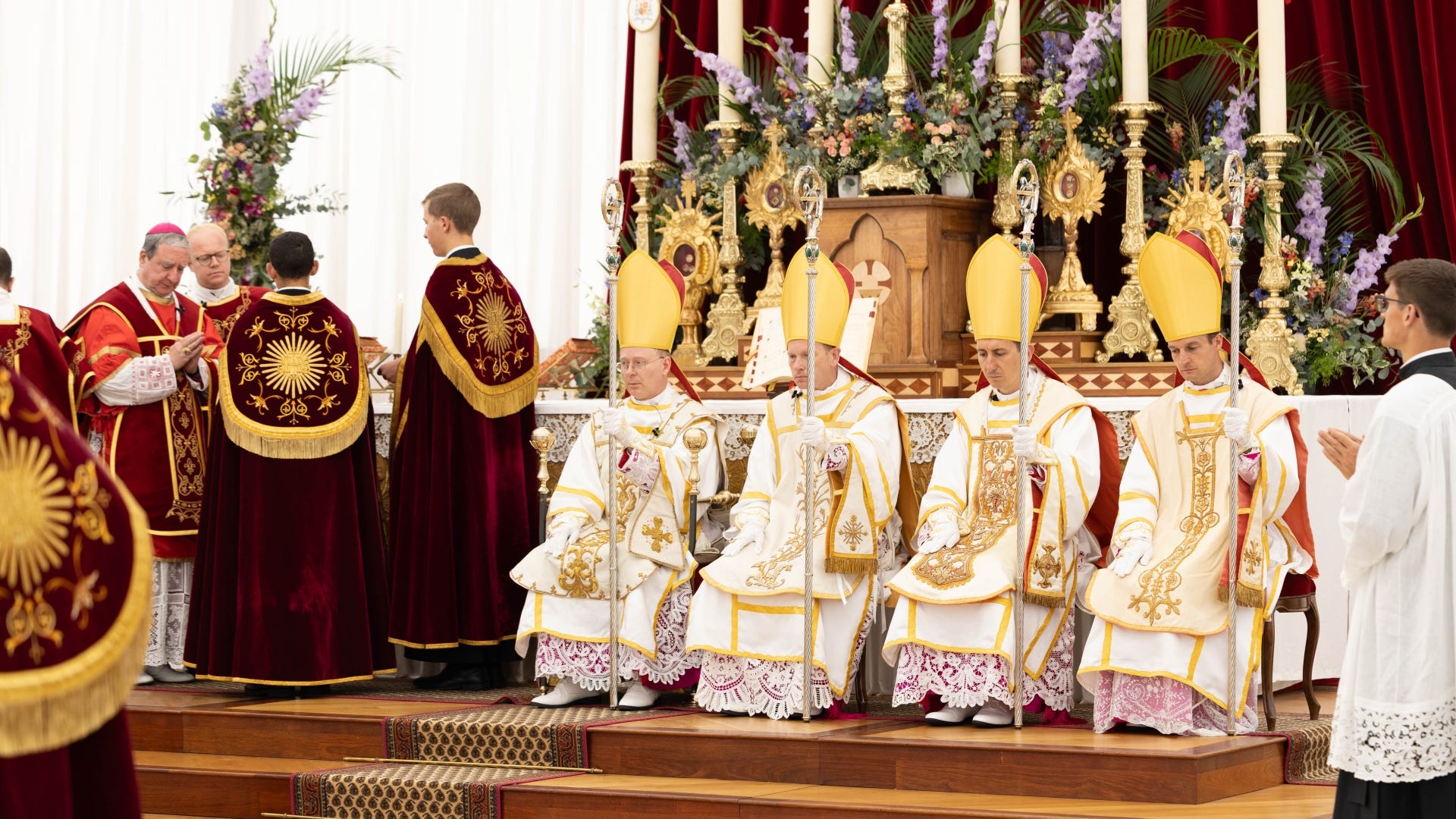
The Society of Saint Pius X is not, in its own understanding, a revolutionary institution. It is a conservative one in the most precise sense of that word: an institution that conserved what it received when the institution around it decided the deposit was negotiable.
Archbishop Lefebvre consecrated four bishops in 1988 not because he wanted to found a parallel church but because he understood that the chain does not wait for permission. It either continues or it breaks. And if the men responsible for continuing it will not, then the men who understand what it is must.
This is what Ries and Trout saw from outside that the institutional Church could no longer see from within. A position is not a negotiating stance. It is what you actually are.
The Church’s position was always: we hold something we did not invent, we did not earn, and we cannot improve. We received it, hold it, and we will pass it on. The Society held that position when the institution around it vacated it. Not as a political act, but as a transmission act.
The mother at Écône did not explain the canon law or the theological dispute or the decades of institutional pressure that preceded the moment. She said ‘watch’, because watching was enough.
One generation showing another where the thing actually is, so that the next knows where to look when they need it.
That is transmission. Not permission, management or dialogue.
The line does not run through the chancery. It never did.
—Robbert
The Arian crisis lasted centuries. The modernist crisis is burning itself out as the liturgy and "faith" lifestyle it installed attracts no conversions or vocations. Keeping true to the traditions was St Paul's instruction. I wish the SSPX clergy and lay followers the best and hope they pray fervently for the restoration of the Barque of Peter and the Universal Church