
The Collapse of Crafts
The remains of a great civilisation, Crafts in an age of 'creatives'.
Before burnouts, factories and other modern diseases, work was considered sacred. It was a way of sanctification. Sometimes in a very literal sense, like monks did. And sometimes less, like in a wood shop. But both aimed to craft things that outlived the maker.
Craftsmanship has never been about style. You’re submitted to form. So our ancestors didn’t just make beautiful things. They conformed their souls to something beautiful.
For most part that’s gone, but a few workshops still keep it alive.
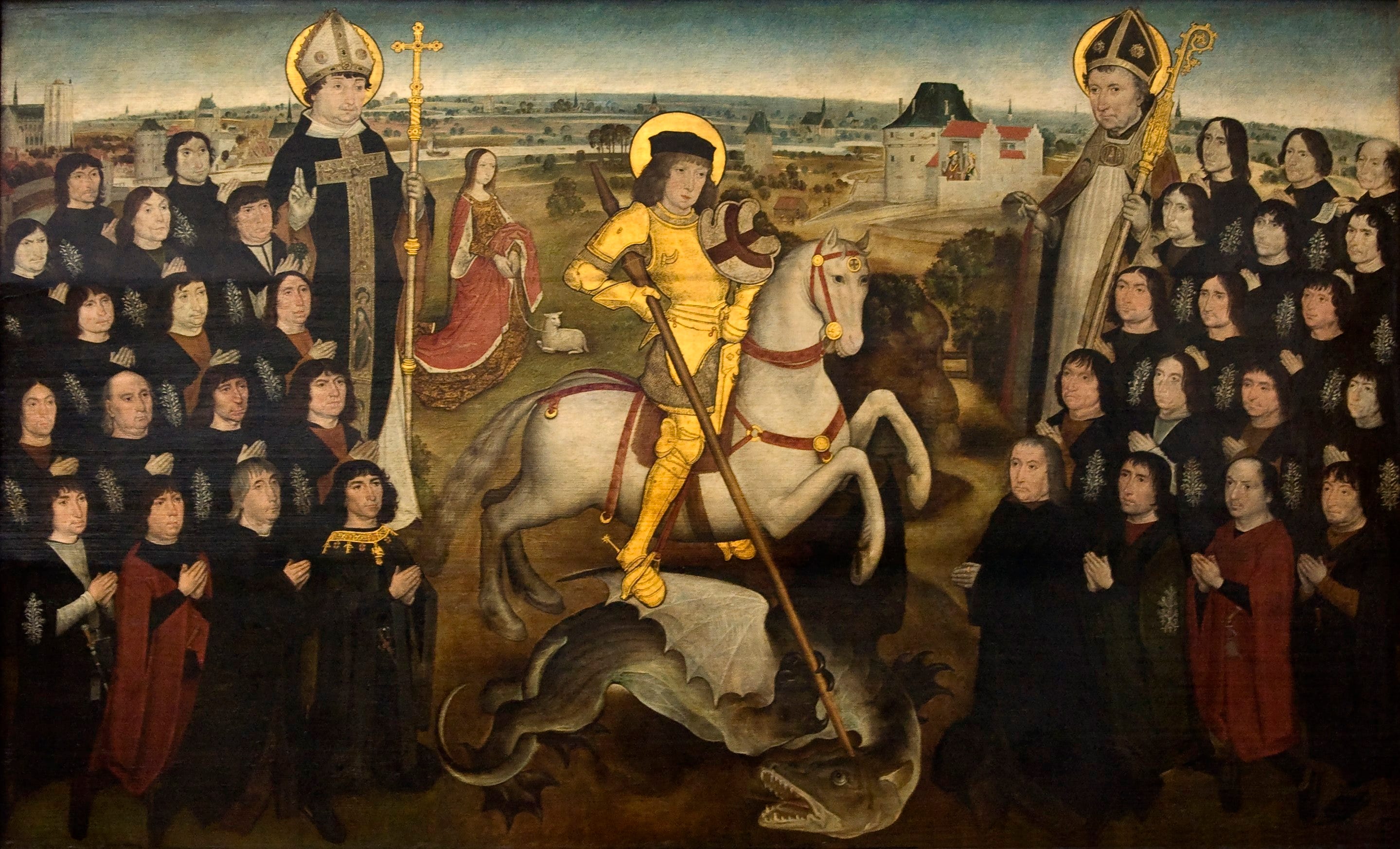
The Guild System
In Europe trades were governed by guilds. In Japan they had a similar system. You could never call yourself a silversmith, or a joiner, or a dyer unless others approved of it. A judgment of masters.
And unlike current day worker union, they weren’t bureaucracies. What a guild did was to set a standard for how a certain product should be made. This is why we have such good food standards today. The whole world wants European food.
For each trade there were feast days, patron saints and standardised conduct. Apprentices lived with their master. Both to learn the skill and to shape them as a person.
A city like Leiden had hundreds of textile mills. But life was still orderly. No strikes. No ugly concrete. No dirty fumes.
Guilds weren’t a production economy.
Since beauty comes from God, you can’t invent it. Only obey it.
The Rise of Innovation, the Death of Form
When innovation became our god. We dismantled the guild system, and replaced it by workers’ union. And in the worst case: communism.
Just like in the art world, knowledge became conceptualised. It was extracted, codified, and handed over to factories. Knowledge became capital, and the workers became inputs.
Productivity replaced mastery. And now we’re stuck at a desk hearing another lecture about design thinking. Lean Six Sigma. And other types of mental masturbation.
Kitsch Enters the Workshop
Nowadays artisan culture is considered sentimental. People call me romanticist for this reason.
But romanticism is the exact type of kitsch I aim to exterminate in every possible way.
We don’t need things that look like tradition. We need the discipline, and submission to standards.
Form separated from truth is the root of kitsch. It’s when we imitate excellence, without the structures that made it possible. Both the physical (e.g. materials), as the immaterial (e.g. God).
We don’t need more brand values, creative processes or Etsy junk.
Wares shouldn’t sell on emotion, but on quality. We’ve uncrowned the guild master. We replaced him with a curator, and it’s often a lousy one.
The Last Artisans
Luckily, a few craftsmen remain. It’s a weak foundation, yet the craft is not completely lost. Here are some of my favorite companies that still do things the old way:
Van de Burgt & Strooij from Amersfoort (Netherlands) still cuts window frames from solid oak, using mortise and tenon joints. Their work is mostly invisible, because it’s integrated into the structure of medieval buildings.
Tichelaar Makkum (Netherlands) was founded in 1572, still fire their tiles the traditional way. They don’t do mass production. They do innovate in materials, which is good. They for example make tiles with sea silt.
Albl Oberammergau (Germany) has been making wooden masterpieces since 1556. It’s now in its 14th generation. The Albl family embodies wood carving and has had its roots in its home village.
Wood carving has been the craft of Oberammergau (Bavaria, Germany) for centuries. Over 60 professional workshops are still active.
These workshops don’t ask to be called ‘heritage brands’. They don’t romanticise the past, but simply continue what they’ve always done best.
We Don’t Need “More Creativity”
Modern economics lies when it tells us that culture needs ‘more creativity’. Which is more startups, more innovation, more ideas.. and more mental masturbation.
However, culture was never about creativity. It demanded respect for the past and the creation for future generations.
But today, we build for algorithms.
We don’t learn to sweep the floor before handling tools. Or to carry wood, bow our heads, and listen. Everything must feel good immediately.
We’re expected to be artists after a few years of studying. The result is clear: we didn’t democratise the workshop; we dismantled it.
-Robbert


There's something in this that really resonates with me. The idea that craftsmanship was never about style but about submission to form, that feels true. I've been writing recently about Mary Watts, who taught villagers in a small Surrey village to make terracotta tiles for a chapel in the 1890s. She didn't simplify her designs for untrained hands. She trained the hands to meet the vision. What strikes me about the workshops you mention here is the same thing - the standard comes first, and the maker grows to meet it. That is something that is in very real danger of becoming lost.
There are papal encyclicals on the sanctity of labor, even in the area of business that ne can serve one’s fellow human. It os the service and understanding participation in this through work in capitalist organizations that are not hell bent on exploitation, Read Walter E Williams the economist on this