
The Commodification of Mysticism
How wellness culture deepens your burnout instead of curing it
I hate modern wellness. Not because it’s modern, or because of its Eastern influences per se. It’s because people are getting sicker, instead of healthier. Yes, people nowadays become older than ever, but deteriorate much earlier and faster.
People are balding and developing wrinkles in their twenties, have a hernia by 40, and Alzheimer’s in their mid-70s. Burnouts are on the rise, and we have a meaning crisis. There’s so much opportunity in this world that people get paralysed.
We’re more conscious of self-care, wellness, and fitness apps than ever. Yet the only thing we end up accomplishing is expanding our lifespan, not improving our health or quality of life.
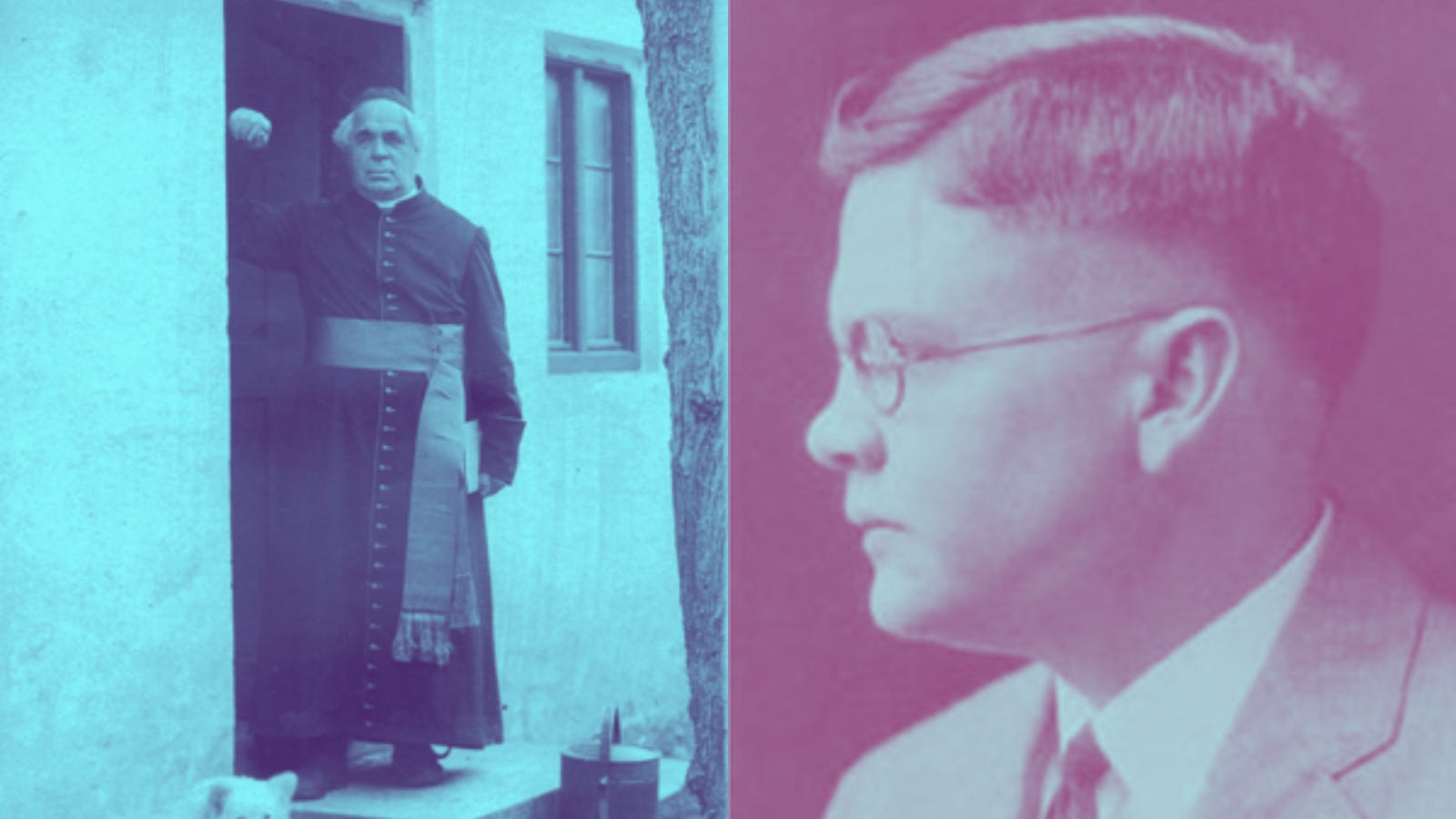
Wellness: ’well’ and its suffix ‘-ness’, was first recorded in the mid-17th century. The plain meaning is: a state of being healthy; an absence of illness. When it was reintroduced and popularised by Halbert L. Dunn in the mid-20th century, it described a holistic approach to health, not only the absence of illness.
He understood that wellness used to be a mystical and ascetic practice, not a vanity goal or a statistic. However, since then, wellness has been transformed into ‘experiences,’ ‘feel-good,’ and lifestyle products.
Take Fr. Sebastian Kneipp, the Bavarian priest who invented hydrotherapy. Seen as both a saint and a madman, he forced parishioners to walk barefoot in freezing rivers in midwinter.
He gave penances, but not as some quick hack to heal anxiety from a day at your job, but to cure the body and the soul. His ascetic practices were rooted in suffering and humility.
Kneipp’s barefoot paths have been replaced with Chinese foot massage salons. His penance is now a series of “detox rituals.” And biohackers are praised for what Kneipp was already doing a century earlier.
The same practices, but pointless and decorated with plastic Buddha statues and polyester lotus petals.
In essence: spiritual kitsch. As kitsch can only imitate.
When Ascetic Practice turned into Spiritual Kitsch
Halbert L. Dunn, in the 1950s, helped popularise wellness again. It had roots in ascetic and disciplined practices. There was fasting, regular exercise, hygiene, stress management, and spiritual awareness.
But in the 1970s and 1980s, it shifted. Yoga, meditation, and Eastern practices entered the West. At first, some depth was preserved through Ashram, but that soon turned into retreats, books, branded webshops, and, in the 1990s, even suicidal sects.

In the 2000s-2010s, wellness became a global industry. Biohacking, boutique ayahuasca retreats, Bryan Johnson. But the context of these ascetic practices has been stripped. It’s all about ‘hacking’ productivity, beauty, and status. Spiritual growth is not a subject, besides the AliExpress Ganesha next to you in the sauna.
Mystical practices like fasting, cold exposure, breathwork, and grounding were turned into a consumerist rabbit hole. And it won’t slow down anytime soon.
The practices in themselves aren’t wrong, but when they’re stripped of their sacred context and repackaged as ‘experiences’, they become toxic.
Kitsch always imitates what it does not comprehend. As it does not analyse or question traditions and conventions. It only repacks and stylises them to appeal to the mass consumer taste.
I’m not fully against businesses revolving spiritually. They can be good. Aman, for example, is one of the best hotel brands in existence.
But what the modern wellness industry is not wellness by its 17th-century meaning, nor by its early 1950s meaning. What was once a holistic, mystical, and ascetic path toward growth and meaning has been hollowed out. Secularisation is to blame for this.
We’re chasing shadows of ancient practices, without the mysticism, ascetism, and penance, and wondering why we’re still exhausted, anxious, and burned out.
Our food may be poisoned, but most of our problems start in the brain and eventually become physical illnesses. Which we don’t cure, but distract ourselves from.
How Wellness Culture Accelerates Burnout
Modern offices are humiliation ritual temples, disguised as email factories. They’re burnout epicenters. Companies throw wellness apps, webinars, and sleep pods at you, hoping you won't notice they've created the burnout problem they're pretending to solve.
Meanwhile, you're psyopped into journaling, drinking matcha, magic crystals, and following morning routines. This is modern spirituality kitsch.
Authentic spirituality has always been brutal, inconvenient, and radically non-commercial. Pilgrimage meant bleeding feet and months away from home, not a boutique retreat in Ibiza with coconut water on tap. The saints weren't chasing Oura metrics or other optimisations.
Because when you strip these practices of their sacred context and repackage them as "hacks," you get the kitsch version of them.
And that version does not heal you, as it lacks the holistic approach. It exhausts you because it promises you transcendence, but delivers emptiness.
The wellness industry also makes you believe that every type of stress is the enemy. (Their main worship revolves around sloth.)
There are two types of stress. There’s stress that’s supposed to shock your body into growth, what Nassim Taleb calls "antifragility." A hard workout breaks you down so you recover stronger. A fast clear clears your system. This type of stressor is at the core of ancient practices. No pain, no gain.
Modern wellness delivers endless, dripping stress like Chinese water torture. Your apps, routines, and ‘no pain, no gain' slogans (without the actual pain). They include treatments that promise relief while adding more tasks, obligations, and distractions. They all keep the stress drip going, like the Chinese torture.
And burnout is the same.
It's not an extreme tiredness from overwork. As no research has ever shown that work itself is unhealthy. The exhaustion comes from a clouded perspective: an absence of meaning and purpose.
Modern wellness, like modern politics and doctors, treats its symptoms. For them, it’s nothing but a logistical problem that can be solved with their products and services. Their (self-funded) research even says so! But burnout is an existential crisis.
It occurred when we took the challenge out of work and replaced life with paying bills and absurdly high housing prices. A medieval farmer worked physically harder but had better stress management; he grew strong and fulfilled his duty of Ora et Labora.
But modern wellness has no transcendent element. It worships comfort and sells feel-good experiences, but not solutions.
Fr. Kneipp's parishioners walked barefoot through frozen rivers. And they want you to pay €100/hour for a burnout relief session
Stop trying to optimise for experiences. Life is not an experience. Start seeking transcendence.
-Robbert


