Think about what you are currently building. Maybe you have a publication, a business, an archive, an audience, or some body of work.
Now answer one question honestly: If you were to die this weekend, what is the legal mechanism by which you work would be preserved intact?
If the answer is your heirs’ goodwill, your executor’s judgment, or a folder on your desktop nobody else can find, then what you are building is not a legacy. It is just inventory waiting to be liquidated.
Michael Jackson built his Neverland at a cost of $35 million. 2,700 acres in the Santa Ynez Valley, a working amusement park, a zoo, a cinema, a library, a train that ran through the grounds. He kept the stage costumes, the artefacts, the physical record of what he had made. And had the instinct exactly right… Like him or not, but he came close to what a contemporary aristocrat would live like. Marie Antoinette and Louis XVI had quite similar fantasies as he.
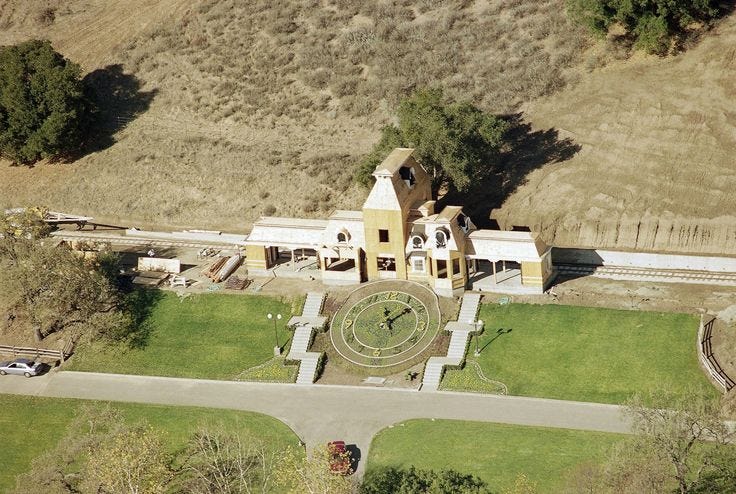
But when he died in 2009, the legal machinery moved it within months: Neverland became a property transaction. His full costume collection was auctioned… The physical world he had built was dissolved by creditors and estate managers who bore him no ill will: they were simply executing the logic of a system that recognises no obligation to preserve what individuals create, only the right to liquidate what remains.
What remains is that his name is but a cash cow for Sony Records and his family-members. And that many are still inspired by his creativity, music and style.
This is the structural condition of building anything without the right decisions in place. It does not matter how big you built or how clearly you intended it to last. Instinct without structure is inventory.
What method actually worked
Andrew Carnegie spent $60 million to build 2,509 public libraries around the globe. Every one is free to enter, and all are still standing. He did not detach from his wealth. But turned it into stone and gave the stone away in a form that no creditor could liquidate and no estate manager could auction. He has been dead since 1919. Yet… The Carnegie Corporation of New York still operates independently of his family.
But you do not need to be a gazillionaire with infinite money…
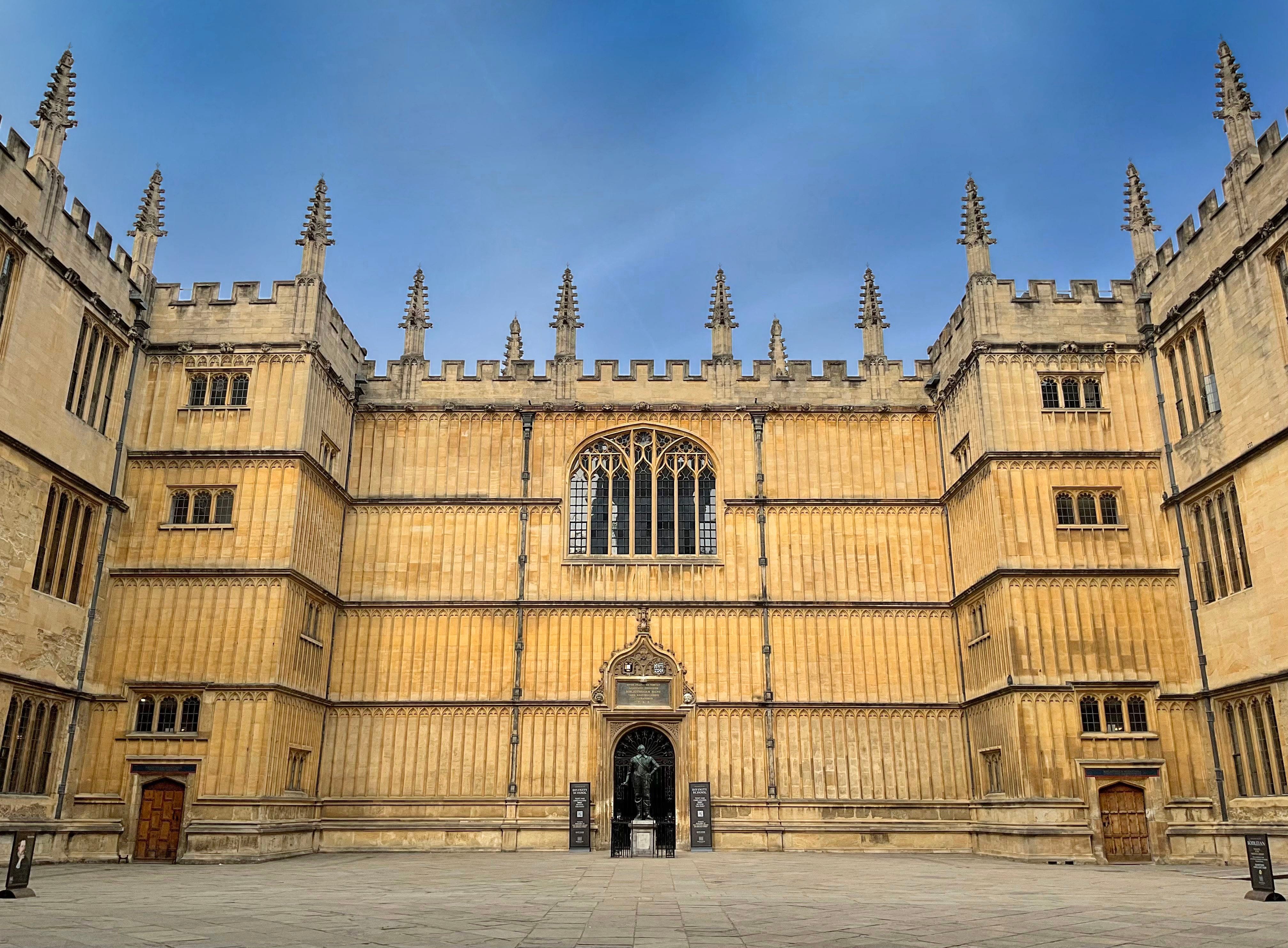
Thomas Bodley retired from government service in 1596. He was nowhere closes to being the richest man of England. He was a former diplomat of moderate means who looked at Oxford’s ruined library and made a decision: On 23 February 1598 he wrote to the Vice-Chancellor and committed the remainder of his working life and the greater part of his moderate fortune to rebuilding it.
He opened a library on 8 November 1602 with 2,500 books. And left it to the university permanently, removing it from the reach of his own estate. The Bodleian today holds 13 million items today. While he has been dead for 413 years, his name is still on the door.
The difference between these men and Michael Jackson is not the scale of what they built. It is the structure. Each made a series of specific, irreversible decisions that removed what they built from the reach of their own estates, their creditors, and their heirs.
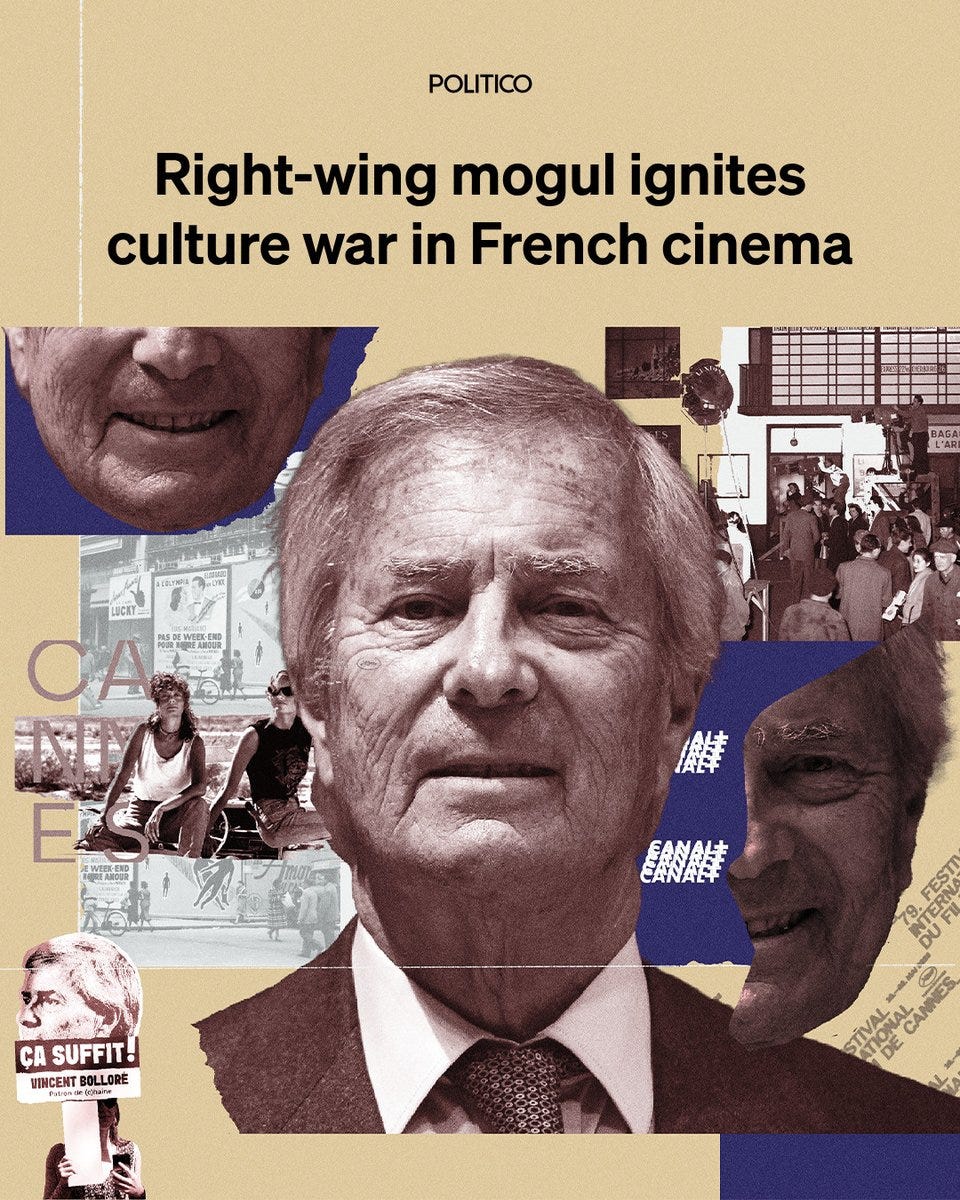
Here is what makes this urgent rather than historical: the method is being used right now, against you, by people who understand it. Vincent Bolloré has spent the last decade deploying capital into institutional infrastructure across French media: CNews, Europe 1, Hachette Livre, Paris Match, with a specific ideological purpose and a structural form designed to outlast him.
George Soros built a network of foundations and organisations his opponents still cannot dissolve, and his son continues the project.
And while Soros is not admirable for his politics. They both are admirable for one thing: they understand that the structure is what survives, and they build accordingly.
The people building the next century’s institutions have already started. Most people who feel the obligation to build something that lasts have probably not.

The Bodley Method is the structure I use to build Heritage Standard.
It contains four decisions, derived from what Bodley actually did between 1598 and 1613, applicable at any scale, and available to apply to what you are currently building this week.
It is not just a philosophy or disposition toward generosity. The four decisions, in sequence, help convert what you hold into something no creditor, estate manager, or untaught heir can dissolve.
If you do not make these decisions explicitly, the socio-cultural genocidists will make them for you.
The Bodley Method begins on the other side of this wall. Four decisions, each with a diagnostic question, the historical criterion Bodley used, and a specific action to take this week. Members read on.