


It is still All Souls Week: be sure to visit your family grave this weekend if you have not already!
A US Army veteran in Bamberg visits his wife’s grave every Sunday. She died in 2007, and the stone is gone. He told Stars and Stripes1 that he had learned, too late, that in Germany a family leases a grave for a term. If his family cannot renew it, the contents are removed and the plot can be used again.
Before that day comes, the cemetery announces it. Where the family members cannot be traced, it fixes a notice to the stone. The sheet is laminated against the rain: It names the day on which the grave will be cleared and asks anyone with a claim to come forward before then.
Someone engraved their name in a gravestone, someone paid for the plot, and someone stood at its edge on a grey morning and wept.
But when the end-of-lease day arrives, the stone will go and the ground will be dug for another person.


A reader responded to the post above: ‘RIP until the rent runs out.’ ‘Cleared and done what with?’ The notice answers neither, it only gives a date of clearance.
Every house my grandparents lived in has been sold. Each sale came with a notary and a signature, and I could find the day it closed. But I cannot tell you whether any grave of theirs has a lease, and when it ends or whose name stands in the register. A house leaves a family by contract. A grave often leaves by silence.
According to Jewish tradition, a person is said to die two separate times:
Your first death occurs when the physical body passes away and the heart stops beating.
Your second death happens the exact moment your name is spoken, read, or remembered for the very last time on Earth.

So I ask you what I had to ask myself: Do you know where your four grandparents are buried, and who holds the rights to those graves? (Mine were cremated)
In every country I checked, a family holds a right to use the plot for a stated term, and the right is registered to a living person. When your term ends, or that person dies without a successor, the right can lapse. The details differ, and four cases show the shape.


The Netherlands, where I live, sets a minimum grave rest of 10 years2, after which the cemetery may clear the grave. Private graves can be extended in periods of ten years, set by the cemetery, with a legal minimum of 5 years. General graves often cannot be extended at all. A Land van Cuijk protocol of 20253 argues that relatives who do not renew should not keep the same chance to visit, and it expects renewals to bring the municipality extra income. One parish tariff of November 2024 charged €775 to renew a single-width grave for 10 years.4
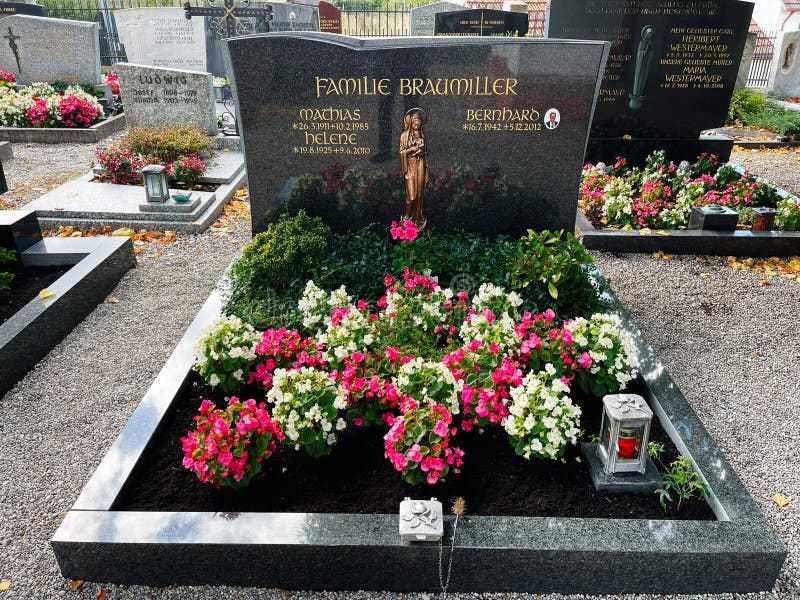
Germany leases graves for a fixed term. In the notices of Bad Homburg the rightsholder has 6 weeks after publication to meet the obligations5, and then the right is withdrawn and the grave is cleared, levelled and sown, at the rightsholder’s cost.
One Bremen parish cemetery order passes the right to a surviving spouse without application6, and for anyone else the right lapses unless the transfer is requested within 6 months of the holder’s death.
Austria grants a right of use on payment of a fee. The right ends after its term, extension is normally possible, and the grave may not be reused during a rest period that is at least 10 years.7

The United Kingdom the law is gentler than most other European countries. In the UK a grant of the exclusive right of burial may not run longer than 100 years,8 and it can be extended.9 When it lapses, the grave reverts to the council, which may reuse or resell the space,10 and some London authorities can reclaim a grave after 75 years.11
A right bought for 75 years at a burial in 1951 ends in 2026. The people who bought it are gone by then, and the paper may be lost in a drawer.
In 2016 the Catholic Church, through the Congregation for the Doctrine of the Faith issued Ad resurgendum cum Christo12, which prefers burial, requires that ashes rest in a sacred place and forbids scattering. Its stated aim is that the dead are not forgotten and remain within the prayers of the family and the Church. Every clause serves that aim. Bodily remains should be brought to a known place that can be visited, where a handful of ash in a river cannot.
Somewhere next week, one of our own dead family members may have an end date on a sheet of paper in an office, and nobody who loves that person has read it. When no one shows up, it is basically the second death as Jewish eschatology describes.
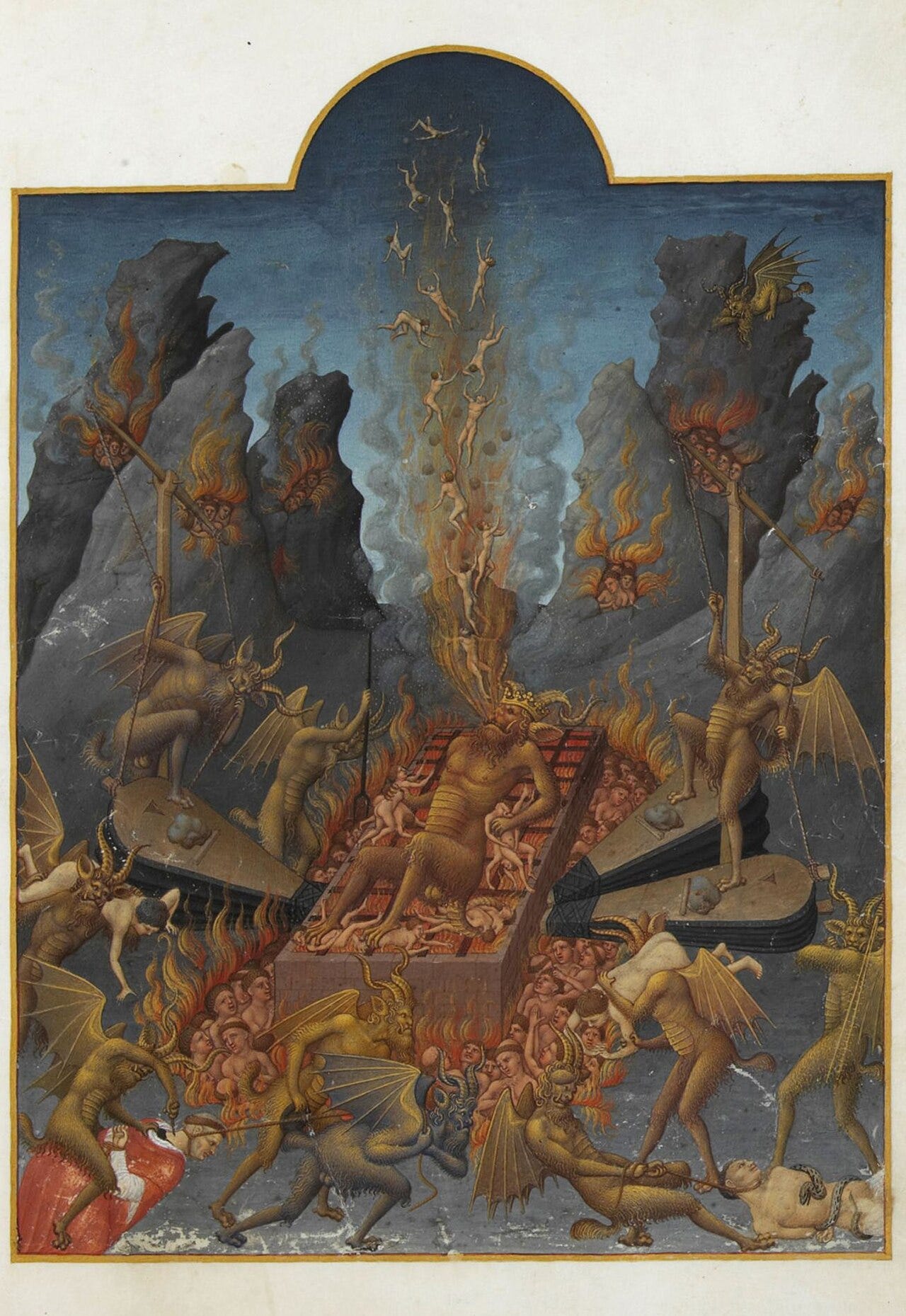
There are 5 records that keep your dead findable when their right runs out.
4 of them work in any country and at any kitchen table, and the other carries a deadline this Sunday.
Below you find a one-page record for each of your dead, the letter your family will need, and what can still be done before this Sunday…
