


There is a building near Liverpool Street station in London. Its facade carries the date 1887 in carved stone. Inside, a coffee chain sells flat whites in paper cups. The stone is original. The date is accurate. Nothing else about the building’s current life has any relationship to what the date implies.
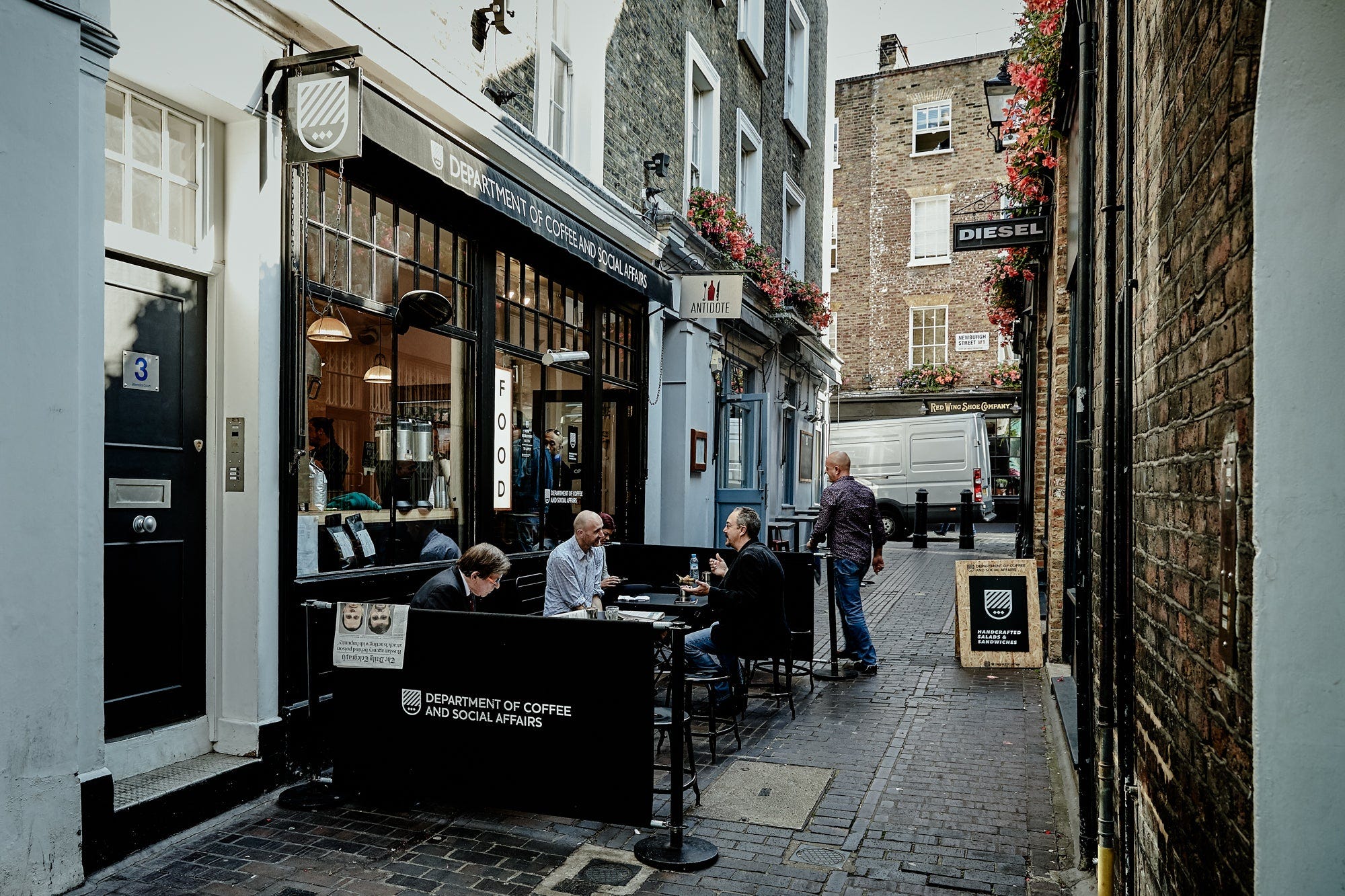
But this is not a story about one building. It is about words.
Words like ‘heritage’ and ‘luxury’ once meant something precise. They described a specific condition, obligations, or standards of proof. The product claiming it either met those conditions or it did not. The word did not serve as a decoration or as copywriting. It was a verdict that people agreed to.
But now everything can be ‘luxury’ and every newly opened coffee place is manufacturing a heritage story.
What ‘luxury’ historically required
The English word ‘luxury’ entered the language around the fourteenth century meaning: lasciviousness. In plain English: Excess that corrupted the person who indulged in it.
It was a moral category before it was a commercial one. Luxury named a state that exceeded what your station permitted, and therefore required justification. You could not simply buy it, but had to account for it.
Roman sumptuary law formalised this logic. The Lex Oppia of 215 BC restricted what women of various social orders could wear. The Lex Fannia of 161 BC limited the cost of dinner parties. Not just puritanical restrictions on pleasure, but accountability structures.
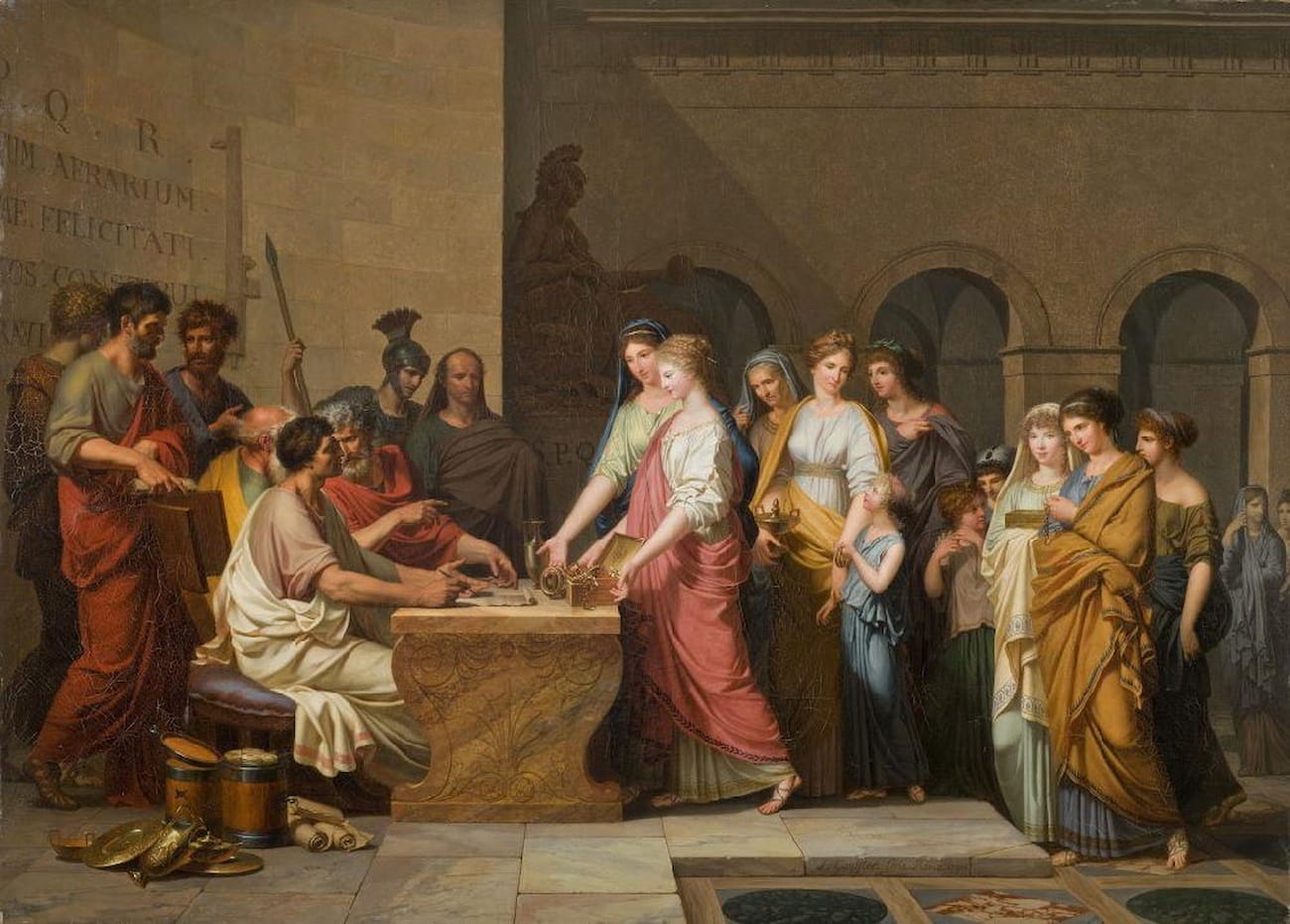
When a thing exceeded the ordinary, the excess required a standard of proof.
Medieval European guilds inherited the same principle and applied it to production. A cobbler could not call a shoe made from inferior hide by the same name as one made from the correct material, shaped to the correct last, finished to the guild’s specification. The word described the thing’s actual constitution.
A goldsmith working in London from 1300 onward could not sell gold without the leopard’s head mark struck by the Worshipful Company of Goldsmiths, the earliest consumer protection standard in English law, predating modern consumer legislation by six centuries.
The guild mark meant something specific, verifiable, and legally binding. If you claimed quality you could not demonstrate, you were not merely wrong: You were breaking the law.
Accountability was bilateral. The craftsman who used the word for an inferior object faced the guild. And the buyer who purchased the marked object had enforceable recourse. The word was a contract written in language.
This remained substantially true until the second half of the twentieth century. When a Parisian house described its work as luxury in 1960, it meant: made by named artisans, from specific materials, in limited quantity, according to methods that required years of training to execute. The price was high because the conditions were expensive. The word described the conditions.
Then Bernard Arnault purchased Louis Vuitton in 1987.

The dissolution of luxury
I do no believe Arnault not set out to destroy the word ‘luxury.’ What he did was to set it out to build a business at scale. But that problem is that scalable luxury is a contradiction in terms. If luxury names the conditions: scarce material, trained labour, limited quantity, genuine risk, then the moment you industrialise those conditions, the word no longer applies. You have made something else. Not luxury at volume, but only the appearance it.
His solution was simple: Keep the word, remove the constraints, and invest the difference in marketing.
LVMH (Louis Vuitton Moët Henessy) now operates more than seventy brands. Louis Vuitton alone generates revenues exceeding twenty billion euros annually. The production volumes required to sustain those revenues are incompatible with the conditions the word ‘luxury’ originally described.
LVMH understood this. Arnault resolved the incompatibility not by changing the word but by changing what the word pointed to. ‘Luxury’ now points to a price bracket, a retail environment, a pattern of brand association. It no longer points to conditions of production.


LVMH is not uniquely culpable. The Richemont Group, the Kering Group, De Beers, Ferrari, and dozens of independent operators made the same calculation across the same decades. The conglomerate model required that ‘luxury’ become scalable.
The word survived by losing its referent, and was replaced by a signal: The monogram, carrier bag, and name spoken in a certain tone of voice. These are not true luxuries, just vocabulary of luxury, separated from the condition that once made it mean something.
As I told you last week: one of the most recognised champagne houses in the world, founded in 1743, cannot move its own product without paid social advertising and a celebrity whose cultural relevance peaked a decade earlier. Celebrity collaborations do not add to a brand’s prestige. It only confirmed its absence of prestige. Because house with genuine luxury credentials does not need to rent credibility.
What ‘heritage’ originally required
‘Heritage’ is an older and more specific word. It derives from the Latin hereditas = inheritance.
What you received from the previous generations was held in trust for the living and passed on intact. Heritage was not a quality you could claim by association with old things. It was, and still is, a relationship to transmission. What you had received, you were obliged to pass it on. The word described a moral position, not a marketing category.
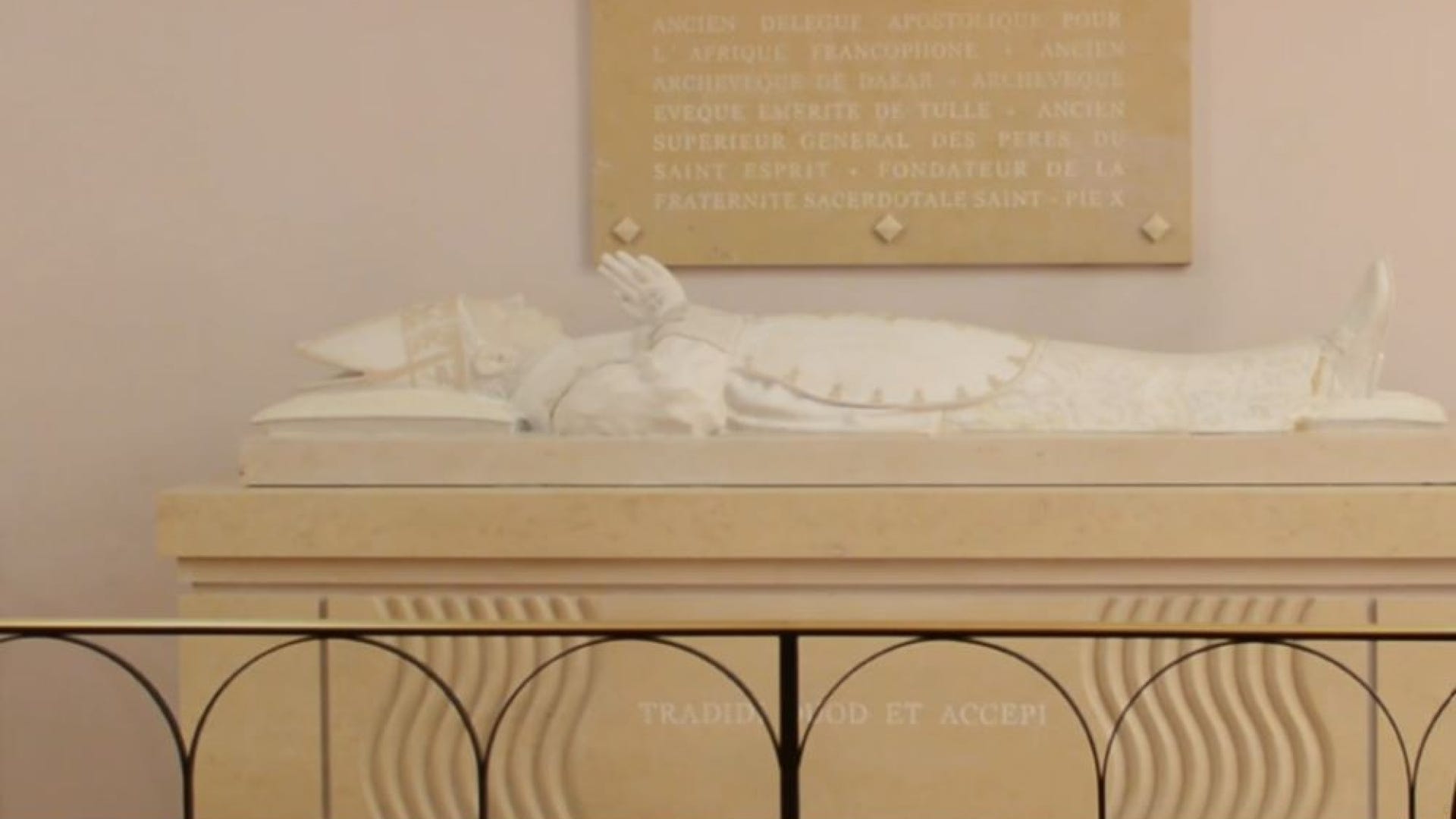
The Dutch Reformed Church consistories of the seventeenth century maintained this logic in the preservation of civic and ecclesiastical records. The records were kept because future people would need them. An obligation that ran forward, not backward.
Heritage meant: you are in the middle of a chain. The people before you held it, and the people after you will need it. So: DO NOT BREAK IT!
English common law understood heritage identically. The concept of the fee tail: land that could not be sold out of a family, was a legal enforcement of the transmission obligation. You never owned the land. You just held it.
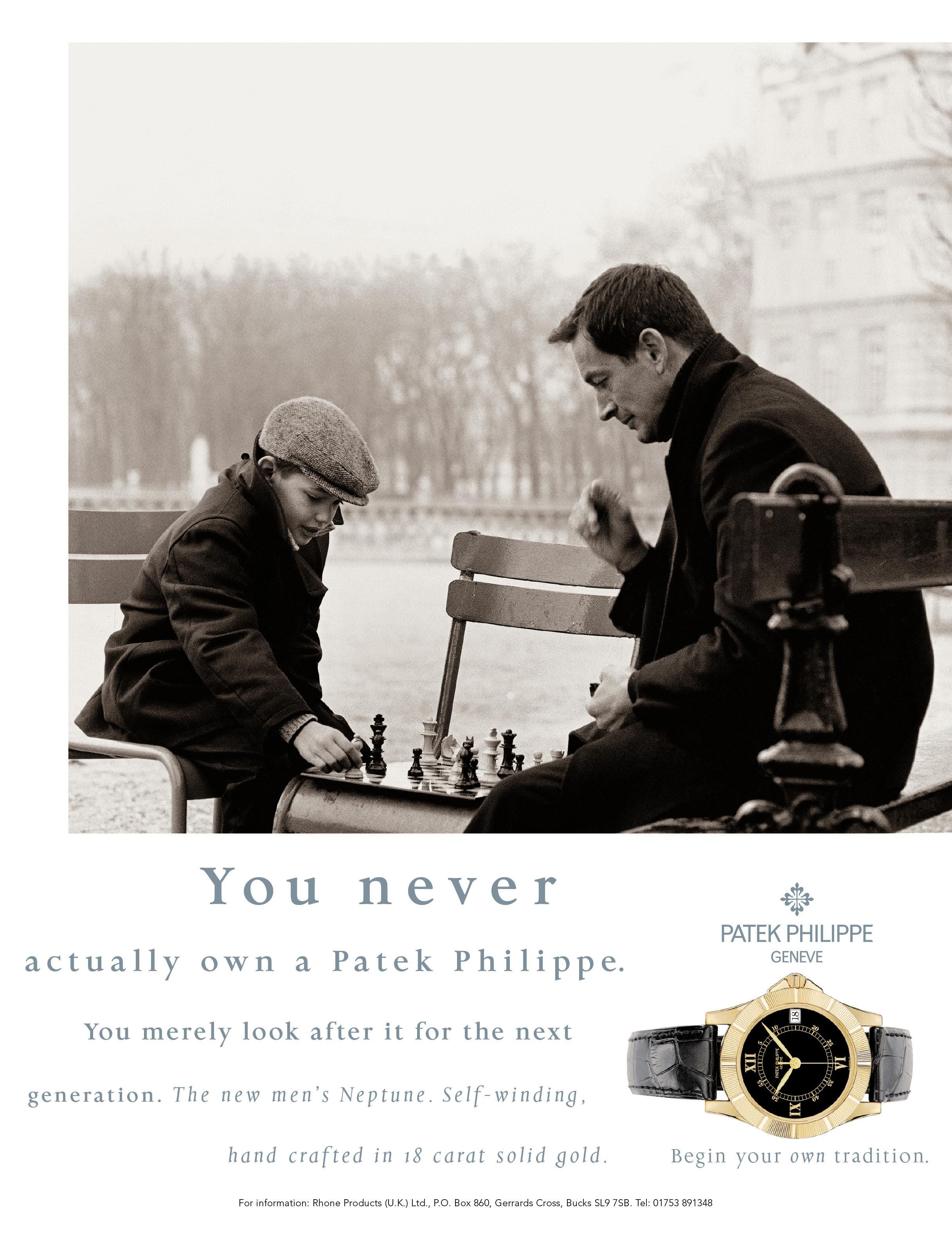
The National Heritage Act of 1983 changed the word’s meaning without announcing the change.
The Act created the framework for what became Britain’s heritage industry: a managed preservation and presentation of historic environments as visitor experiences: Buildings were listed, and sites scheduled.
English Heritage was established. And its intention was serious, but the effect was to convert heritage from a transmission obligation into a museum category. Something you visited, looked at, or maintained for its aesthetic or historical interest rather than its living continuity.
The word shifted from verb to noun. Heritage used to be something you did, received, held, and transmitted. But became something you possessed, or were possessed by. A quality that could be attributed to a building, a brand, and product:
‘Heritage brand’
‘Heritage-inspired’
‘Heritage craftsmanship’
Each use of the word drained it further. By the time luxury conglomerates adopted it as a marketing category in the 1990s and 2000s, ‘heritage’ described a vibe:
A sepia palette
A number after the word ‘Since’
A founding story told on a website
Burberry was founded in 1856. Its trench coat was developed for British officers in the First World War, using a gabardine fabric Burberry patented in 1888: a tightly woven cotton that repelled rain without rubber backing. A functional design, specific, and technically accomplished. Burberry was heritage in the original sense: a transmission of a tested solution from people who needed it to people who would need it again.


By 2009, Burberry was licensing its check pattern to manufacturers in Thailand and managing a brand architecture that had no technical relationship to its founding conditions.
The trench coat was still sold, and the word ‘heritage’ was used throughout. But the conditions that had made the word mean something were no longer present. It is now used to describe the nostalgism behind such conditions.
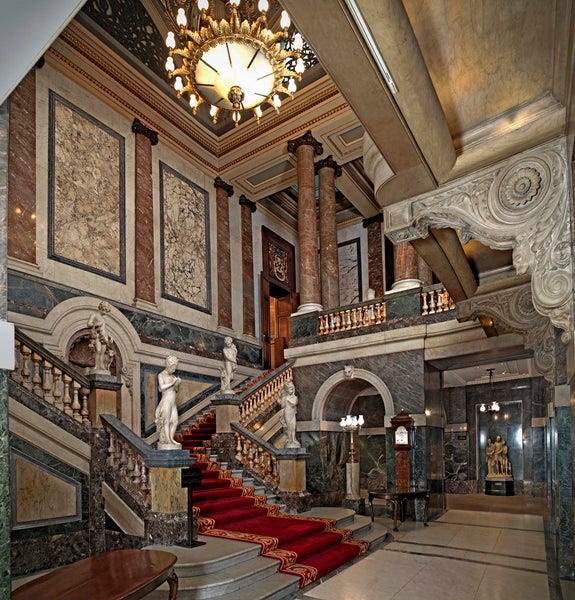
What we lost along the way…
The objects are not the point. A Burberry trench coat can still be purchased, LVMH still makes leather bag, and even The Worshipful Company of Goldsmiths still exists. We did not lose the material.
What was lost is the accountability structure. No one is accountable anymore: not in corporations, not in governments and not even in families.
When ‘luxury’ named specific conditions of production, the maker who used the word for an inferior object was breaking the law. His word was a claim which required proof.
In the European Union we somehow manage to still enforce these standards for food: e.g. it is forbidden to claim ‘Greek Yoghurt’ if it is not really from Greece — yet we fail to enforce it elsewhere.


Historically a buyer had recourse because words (spoken agreements) had content. But when you strip the content, you strip the recourse. Which is why we cannot hold a maker to account for failing to meet a standard that the word no longer names.
When ‘heritage’ named a transmission obligation, an institution that claimed it was making a promise about continuity. You could evaluate the promise, or ask: what are you transmitting, to whom, and how?
And those were answerable questions when the word had its original meaning. But they are unanswerable now, because the word has been converted from a claim into an atmosphere.
Do you know of any business who would tell you they sell inferior goods?
The observer who senses that something is wrong when he walks into a ‘luxury’ hotel, or buys a product from a ‘heritage’ brand, is not wrong. He is noticing the gap between the word and the conditions it used to describe.
But because the word has been emptied, he cannot name what exactly missing. He reaches for ‘heritage’ and finds a marketing category. He reaches for ‘luxury’ and finds a price bracket. And when tyring to articulate the problem, it sounds like he is complaining about feelings. The person across from him hears nostalgia, or snobbery, or vague dissatisfaction.
The words have been made to fail him at precisely the moment he needs them.
This is why this publication is not called Heritage alone. The Standard is what gives the word back its teeth. Heritage describes what was received. The Standard describes the obligation that comes with it. Together they name what the emptied version of either word cannot: the conditions under which transmission is actually possible.
It begins with the words themselves…
Your surveys and comments under my posts have told me the same thing in multiple forms:
‘I see what is wrong but cannot act on it’
‘I have the instinct but lack the language to articulate it’
‘I intend to use this as a weekly reminder that it is not just me’
You are not the only person feeling this. And the problem is not your perception. The problem is that the words you were given have been systematically emptied of their content by the people who needed them to mean less.
I made a free five-day course that begins with the words themselves: what ‘heritage’ and ‘luxury’ originally required of the things that claimed them, what specific forces removed those requirements. And how to use the original meanings as a standard, before you spend money, enter a room, or recommend anything to your children.
Day 4 gives you the working vocabulary. Not to sound intellectual, but to stop being deceived.
-Robbert