


Lewis Hamilton recently told an interviewer he had stopped chasing material things. Memories matter more than possessions, he said. Detach from the material world, unclutter your life, find peace in the ocean. He has £500 million, lives in Monaco to avoid British tax, and nothing with his name on it will exist in 100 years.


Most people read this as hypocrisy. It is something worse. Hamilton believes it. The ideology of detachment has reached the one class of people with the actual resources to build something permanent, and convinced them that building is the wrong ambition. That what matters is the experience, the memory, the inner peace. That accumulating wealth and then dissolving into wellness is not a failure of obligation but its fulfilment.


Last week’s essay named how inheritance is being abolished from below: the state taxes transmission, the billionaire class moralises against it, demographic replacement dissolves the transmission environment, and the untaught heir clears the house without knowing what he held. This essay is about what is happening at the top. The deliberate ideological dismantling of the idea that wealth carries an obligation to build something that outlasts you.
What happens when you actually build
Michael Jackson did not detach. He built Neverland: a 2,700 acres in the Santa Ynez Valley, a working amusement park, a zoo, a library, a cinema, a train that ran through the grounds.
He spent $35 million constructing it and treated it as an extension of what he was trying to do with his work: create something that elevated the people who encountered it. He kept his stage costumes, his artefacts, the physical evidence of what he had made…
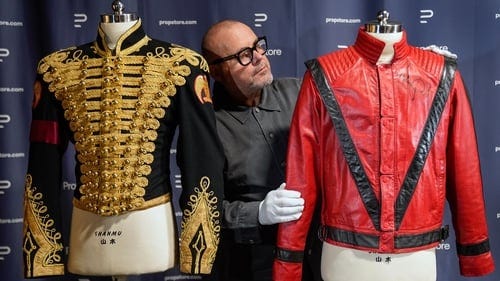
But when he died in 2009, the machinery moved quickly. Neverland was squandered. His costume collection was auctioned. The physical world he had built was dispersed by creditors, estate managers, and the ordinary logic of liquidation. The deliberate, specific world he had constructed was treated as inventory.


This is not an accident of Jackson’s particular circumstances. It is the structural condition of building anything in a culture that has no framework for preserving what individuals create. Call it what it is: a genocidal culture.
Not in the biological sense, but in the civilisational one. A culture that systematically destroys what its most gifted members build the moment they are no longer alive to defend it. The creditors do not hate Jackson. The estate managers bear him no ill will. They are simply executing the logic of a system that recognises no obligation to preserve what was built, only the right to liquidate what remains.
Quincy Jones said working with Jackson was like working with Mozart. That is not sentiment. It is an assessment of what genuine investment in a standard produces. And Mozart died in poverty, was buried in an unmarked grave, and had his manuscripts dispersed across Europe by people who did not understand what they held. The pattern is not new. The culture has always done this to its builders when they lack the structural protection to prevent it.
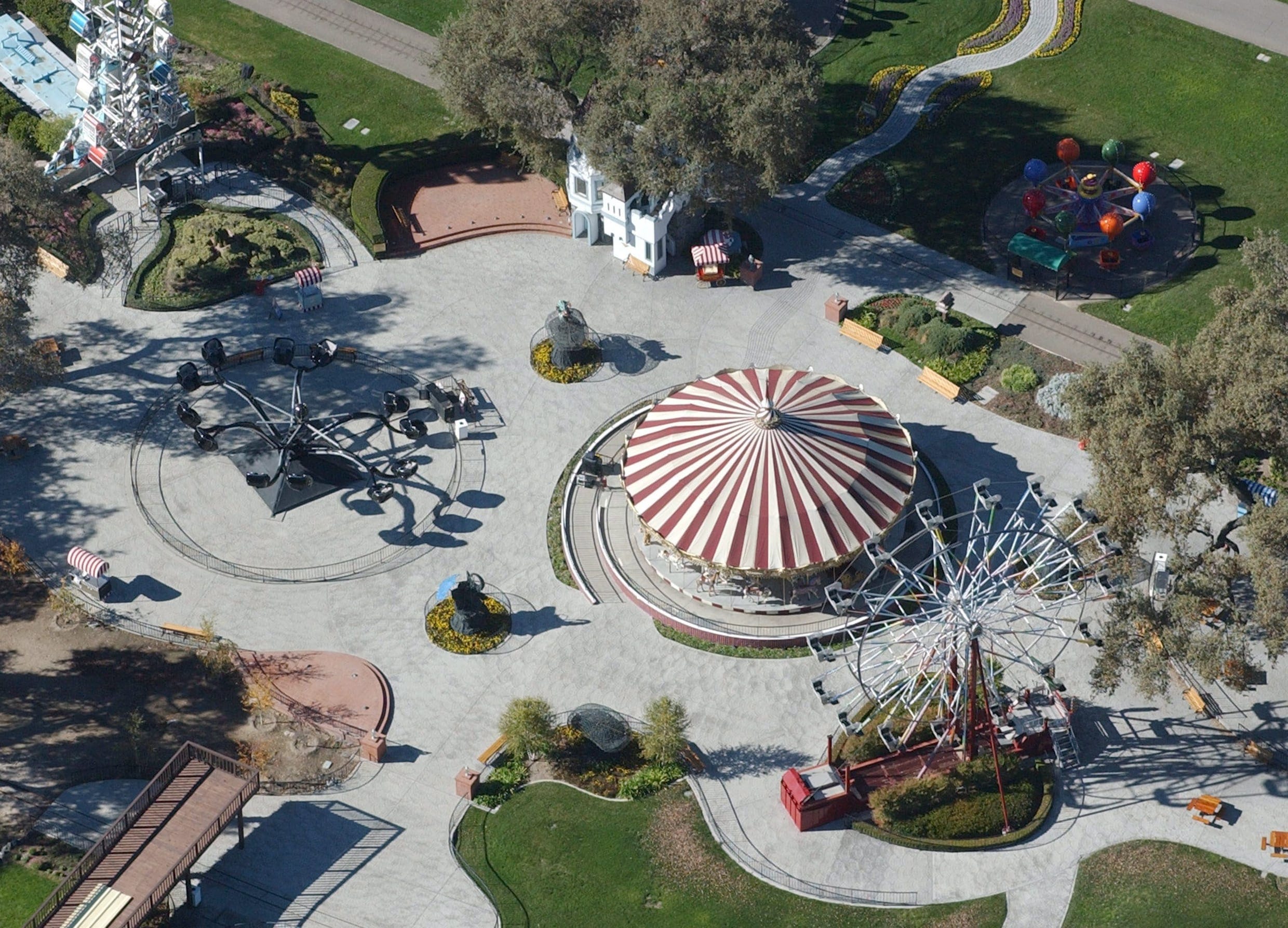
Jackson’s music survived because recordings are harder to liquidate than real estate. But Neverland is gone. The costumes are in private collections. The physical world that embodied what he was trying to build was dissolved the moment the legal machinery could reach it. His legacy survived despite the system, not because of it.
This is what the detachment ideology conceals. Hamilton tells himself that memories matter more than things. What Jackson understood, instinctively if not always consciously, is that things are how you make memories permanent for people who never met you. Physical permanence is not vanity. It is the only defense against a culture that will liquidate everything you built the moment you cannot stop it.
The tragedy of Jackson is not that he failed to build. It is that the system that surrounded him was designed, whether consciously or not, to ensure that what he built could not survive him. The debt was structured to be unpayable. The people managing his affairs had interests that diverged from his own. The legal machinery waited. When he died, it moved. Neverland became a property transaction not because Jackson lacked the instinct to protect it but because the system around him was better at dissolution than he was at permanence.
What the mechanism actually looks like
Andrew Carnegie had $60 million and built 2,509 public libraries. Every one free to enter. Every one still standing. He did not detach from his wealth. He turned it into stone and gave the stone away in a form that no creditor could liquidate and no estate manager could auction.


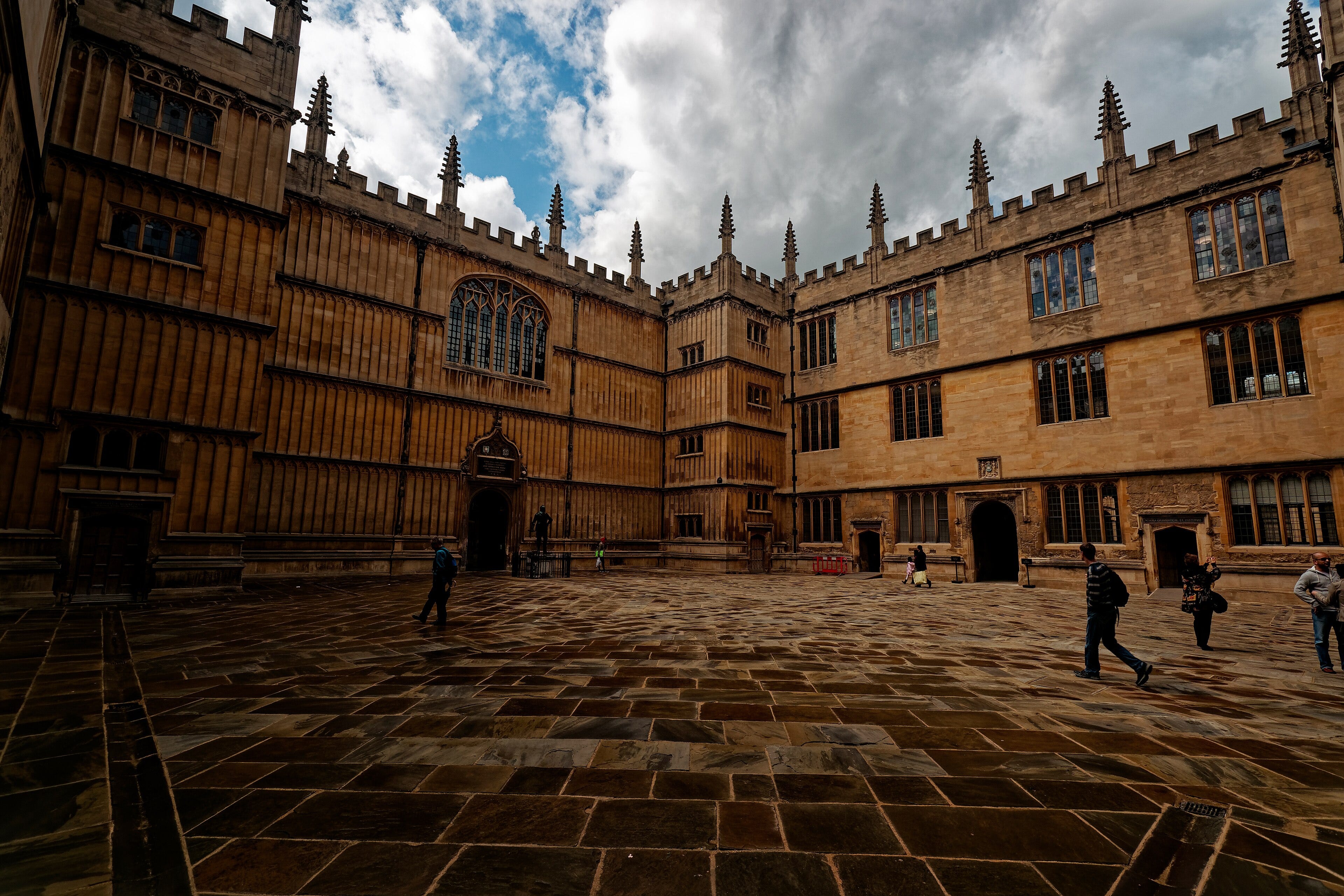
Thomas Bodley retired from diplomatic service in 1596, wrote to the Vice-Chancellor of Oxford on 23 February 1598, and spent the remaining fifteen years of his life rebuilding the university’s ruined library at his own expense. His words on the decision: to set up my staff at the library door in Oxon, being thoroughly persuaded that in my solitude and surcease from Commonwealth affairs I could not busy myself to better purpose. He opened it on 8 November 1602 with 2,500 books. He left the greater part of his fortune as its permanent endowment.
The Bodleian holds 13 million items today. His name is on the door.
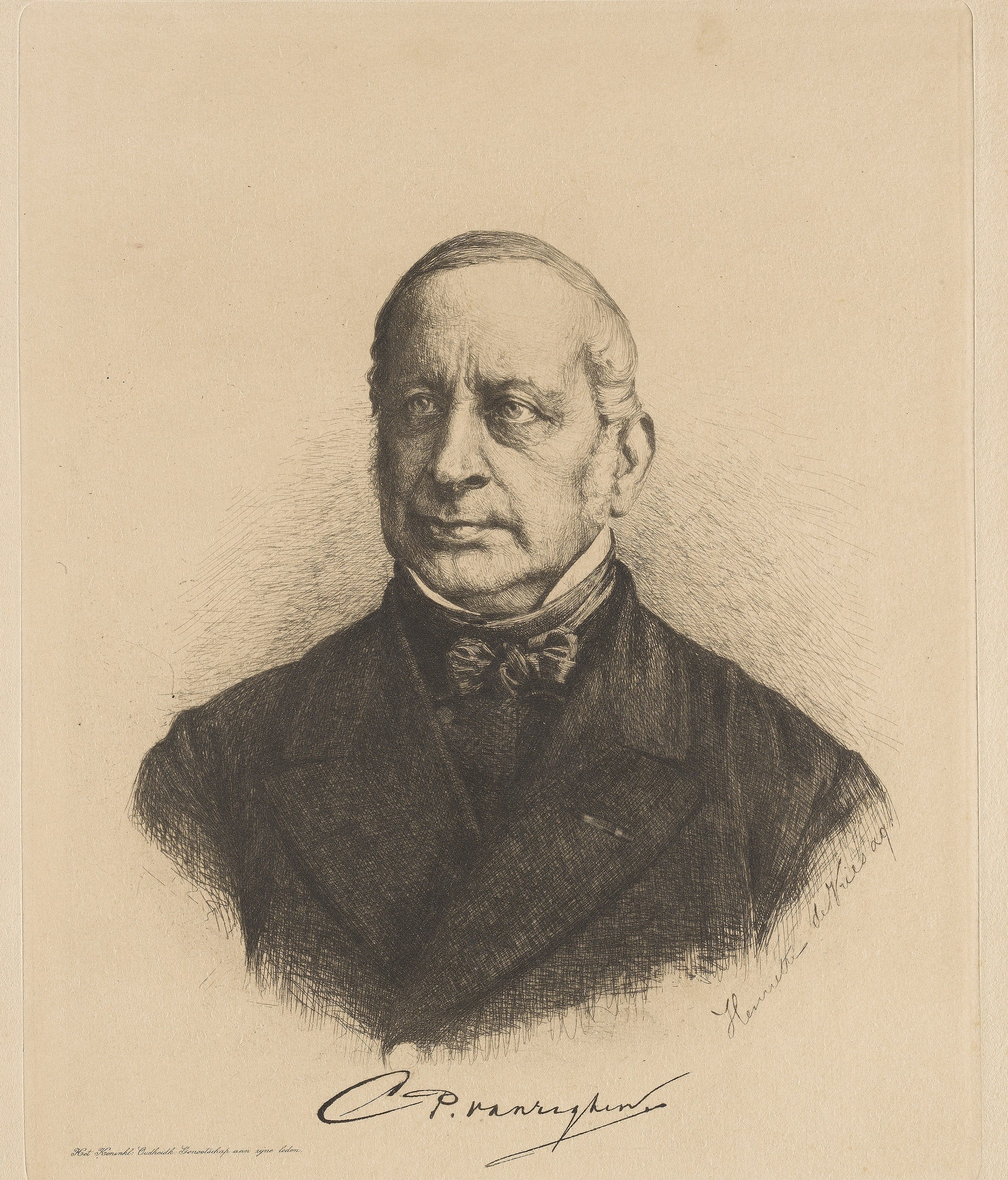
Jacob van Eeghen fled religious persecution in Flanders in the early seventeenth century, settled in Amsterdam, and began trading in wool, linen, salt, timber, wine, and sugar. His descendants built one of the most durable merchant houses in Dutch history. By the nineteenth century the Van Eeghen family had created the Vondelpark and sold it to the citizens of Amsterdam for one guilder, contributed to founding the Rijksmuseum, the Concertgebouw, and the first social housing projects in the city. Van Eeghen and Co. still operates. Their archives fill 150 metres of shelf space in the Amsterdam municipal records. The name is still on the canal house on the Herengracht.
The difference between Michael Jackson and these men is not the scale of what they built. It is the structure. Carnegie endowed his libraries so that no single creditor or heir could dissolve them. Bodley gave The Bodleian to the university permanently, removing it from the reach of his own estate. Van Eeghen transferred the Vondelpark to the city for one guilder, making liquidation legally impossible. They did not merely build. They built in a form that survived them structurally, not just culturally.
An upper class is defined by obligation. An elite is defined by accumulation. The great houses of England, the canal houses of Amsterdam, the libraries of Carnegie were not expressions of generosity.
They were claims: our family was here, we held something, and intended it to continue. The position produced the building because the legitimacy of the position depended on the building.
A ruling class that builds nothing has no argument for its own existence…


The Giving Pledge
John D. Rockefeller spent the last 40 years of his life trying to give $500 million away. He hired staff whose entire job was to distribute it. He still died the richest man in America. Because his money grew faster than he could disperse it.
He was, by multiple accounts, genuinely frightened: not from guilt but from the understanding that he held a position so large that no obligation he could construct was adequate to match it. The upper class mechanism had broken down. The wealth had outrun it entirely.
In August 2010, Warren Buffett and Bill Gates announced The Giving Pledge. Two hundred and fifty-six billionaires publicly committed to giving away the majority of their wealth. They were celebrated as the most virtuous people alive.

In July 2025, the Institute for Policy Studies released the fifteen-year review. Of the 32 original American pledgers who remain billionaires, collective wealth had increased 166% after adjusting for inflation since the moment they signed. Only 8 of 22 pledgers who have died actually fulfilled their pledges. Approximately 80% of total giving went not to operating charities but to private foundations and donor-advised funds the pledgers and their families continue to control.
Carnegie built 2,509 buildings a stranger could walk into for free. Name one building any Giving Pledge signatory put their name on that works the same way.
The Pledge is not a mechanism for giving wealth away. It is a mechanism for performing the appearance of obligation while retaining the substance of control. The money does not go to the poor. It goes to the foundation. The foundation is run by the family.
The family retains the cultural authority, the social capital, and the political influence that the money generates. And meanwhile the inheritance tax that Dutch columnist Schimmelpenninck calls decent and Marx called necessary strips the middle class of what little it accumulated, while the billionaire class shelters its wealth inside foundations it will never relinquish.
Detachment is the ideology exported downward. Obligation is what they quietly kept for themselves, in a form nobody can liquidate.

The Catholic Church mirrors the secular world
The Catholic Church built the Bodleian’s intellectual predecessors. It funded the hospitals, the schools, the cathedrals, the universities of Europe. It produced men who held a position as an obligation to transmit something that would outlast them. That obligation produced Chartres, Monte Cassino, the Premonstratensian abbeys that still operate on six continents 800 years after their founding.


The Church today produces the same type as the secular world. Not men who hold a position as an obligation. Men who hold a position as a career. The bishop who cannot name the error because naming it threatens his standing.
The cardinal who sees the drift and says nothing. The institutions essay argued that institutions are vacated before they are captured: that the people with the clearest sense of what is worth defending leave, and the room fills with whoever stays. The Church did not need to be captured. It was vacated by men who decided the obligation was too costly and the position too valuable to risk for the sake of what the position was designed to transmit.
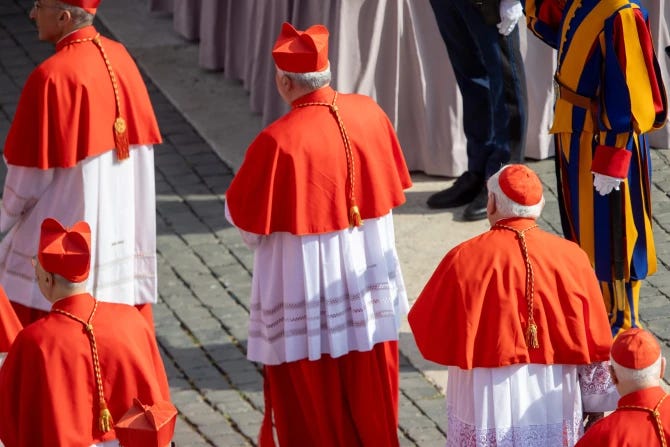
The therapeutic turn reached the Church for the same reason it reached Hamilton. Both teach that holding something permanently, defending it against pressure, transmitting it intact to the next generation, is a form of rigidity to be overcome rather than an obligation to be met. Both produce men who are accommodating, pleasant, and building nothing.
What was built under the old mechanism still stands. The Bodleian. The Vondelpark. Chartres. The Premonstratensian abbey in De Pere, Wisconsin, founded 1893, the Rule still holding 800 years after Prémontré.
What is being built under the new mechanism is a foundation you control, a wellness retreat, and a press release about inner peace.


What this means for you
You might not be Hamilton or the next Rockefeller. You are somewhere between them, everyone is building something, and some might be sensing it will not survive you.. but are unable to name precisely why.
Jackson had the instinct, but lacked the structure. Carnegie had both. The question the previous essays left open is whether the structure is available to a man who is neither a billionaire nor a medieval merchant banker: It is.
Bodley was not the richest man in England. Carnegie did not build libraries to impress other billionaires. Van Eeghen sold the Vondelpark for one guilder.
The obligation does not necessarily require the wealth. It requires the decision that what you hold is worth passing forward, and the willingness to build it in a form that no creditor, no estate manager, and no untaught heir can dissolve.
Most people who feel this never make that decision explicitly. Their standard lives in their head, shapes their choices, and dissolves when they are gone because it was never made structural enough to outlast them.
You are likely the last person in your line who still feels this. Heritage Standard is where that recognition begins.
Michael Jackson had the instinct. Andrew Carnegie had the structure.
Saturday’s Member essay is about exactly what that structure looks like at the scale of one life:
The four decisions Thomas Bodley made between 1598 and 1613 that kept his name on a door for 413 years after his death, applied as a decision tool you can use this week.
The Bodleian opens ever week day at nine o’clock since 1602. Thomas Bodley has been dead for 413 years. And his name is still on the door.
Someone has to decide to build this way again. And helping you with those decisions is what Heritage Standard is about.
---Robbert
I just read your fine article: Your Name Will Not Outlast You.Thank you. Why did you not open with a racing car driver that actually mattered, and was deeply loved by his nation for his selflessness: the incomparable, Ayrton Senna.
INSTITUTO AYRTON SENNA
https://institutoayrtonsenna.org.br/en/
Senna Foundation: A passion for goals
Ayrton’s sister, Viviane, really close to her brother, wanted to tribute him through this foundation in which he believed so much.
https://www.sennalegacy.com/senna-foundation-a-passion-for-goals/
He died much too early to see his vision materialise, but he was already working toward it when he died. His family knew what he wanted to achieve, and did all they could to fulfil his mission.They have achieved this, and maintain it, to this very day.
Rockefeller. When I heard you mention Rockefellers’ name, I felt violently ill.
18 Dark Secrets the Rockefeller Family Tried to Bury
https://backintimetoday.com/18-dark-secrets-the-rockefeller-family-tried-to-bury/
This is who we are meant to look up to? Oh my.
As for the Bodleian Library at the University of Oxford and its founder, oh the hypocrisy and deceit of the British, Americans & Soviets. Do you realise how many libraries, manuscripts, books, pamphlets, art, etc, were destroyed by the Allies during & after WW2, not to mention all that had been stolen in WW1? Unbelievable!
National Socialist Book Burning
By John Wear
https://avawolfe.substack.com/p/national-socialist-book-burning
Fake History 3: From Burning Correspondence To Permanently Removing The Evidence
https://firstworldwarhiddenhistory.wordpress.com/2018/03/27/fake-history-3-from-burning-correspondence-to-permanently-removing-the-evidence/
Look at those pictures, of the blood thirsty vultures, auctioning off Jackson’s costumes. They did and do that still with NationalSocialist military and personal items too.
The Jewish guy who wants to make millions from Nazi memorabilia
Craig Gottlieb's strange case for “preserving” fascist artifacts.
https://theoutline.com/post/8028/jew-selling-nazi-memorabilia
Jews Are Buying Nazi Memorabilia Sold By Families Of Deceased WWII Vets
https://forward.com/fast-forward/416696/jews-are-buying-nazi-memorabilia-sold-by-families-of-deceased-wwii-vets/
Third Reich for Sale: The Jewish TV Star Who's Cornered the Nazi Memorabilia Market
https://www.ibtimes.co.uk/third-reich-sale-jewish-tv-star-whos-cornered-nazi-memorabilia-market-1474916
How about this:
Brown University’s John Hay Library houses nearly 100 titles from Adolf Hitler's personal library. The collection includes books, magazines, and propaganda retrieved directly from his Berlin bunker, his Munich apartment, and his Berghof residence at the end of World War II.The materials at Brown are organized into three distinct collections:
The Aronson Hitler Collection: 80 books retrieved from Hitler’s Berlin bunker in May 1945 by U.S. Army Colonel Albert Aronson. They were later donated to the university by his nephew.
The Smyth Hitler Collection: Rare books taken from Hitler’s private Munich apartment in 1945 by U.S. Lieutenant Craig Hugh Smyth and donated by his family in 2020.
The Leonard Hitler Collection: German magazines and publications scavenged from the rubble of Hitler's Berchtesgaden residence.The texts themselves include signed copies of Mein Kampf, analyses of Wagner, works on the history of the swastika, etc. They offer researchers a rare, unfiltered look into his reading habits and intellectual influences. The majority of Hitler's surviving library (roughly 1,200 titles) is held by the Library of Congress.
Adolf Hitler's private library
https://en.wikipedia.org/wiki/Adolf_Hitler%27s_private_library?ysclid=mq7rdwkg2377460566
Timothy Ryback's book "Hitler's Private Library" is based on the discovery of Adolf Hitler's personal library in the Library of Congress. After World War II, many of Hitler's books were confiscated by the Soviets and sent to Moscow, while others were taken as war booty by individual U.S. soldiers. Three thousand volumes were later found in a Berchtesgaden salt mine and taken by the United States Library of Congress.
Today, the largest collection of Hitler's books is kept in a special locked room in the Library of Congress, where they can be accessed five at a time and read in the rare-book reading room
The only thing Mr Jackson did wrong was to trust people, in a world that deems trust a grave character flaw, to be used, mocked and profited from. Sorry, anyone that holds up Rockefeller as an example, I just don’t know.
Here is more grubbiness, but some call it being a discerning collector. We are just collecting and preserving history they say. Yes, a history that is not yours to preserve, or collect. Swindlers! BTW, Rockefeller and his “ philanthropy” did a lot more harm than what is listed in that article.Death, on a huge scale. Despicable! The destroyers are the builders, for the future. I can’t take much more of this.
Anonymous Jewish buyer wins Hitler's watch in million-dollar US auction
https://www.thejc.com/news/world/anonymous-jewish-buyer-wins-hitlers-watch-in-million-dollar-us-auction-yt6hdc4n
A dog collar believed to belong to Eva Braun's dog (Alexander Historical Auctions)
Enough! Swindlers and “human” vultures rule the world.
Quote: The drive of the Rockefellers and their allies is to create a one-world government combining super capitalism and Communism under the same tent, all under their control.... Do I mean conspiracy? Yes I do. I am convinced there is such a plot, international in scope, generations old in planning, and incredibly evil in intent.
Larry McDonald, a conservative U.S. Congressman from Georgia and former chairman of the John Birch Society, wrote that specific quote as the foreword to Gary Allen's 1976 book, The Rockefeller File.
Larry McDonald: New World Order
https://odysee.com/@ThePeasantTimes:2/Larry-McDonald-New-World-Order:1
In the interview McDonald openly says that there is an elite core within US politics and other powerful organizations who want to enforce a one world communist government. He goes on to say that the US has subsidised efforts toward this goal. Patrick Buchanan is in this interview too. As said, McDonald would die a few short months later, after giving this interview.
Larry McDonald biography
https://en.wikipedia.org/wiki/Larry_McDonald
Legacy of Congressman Larry McDonald
https://www.scribd.com/document/109284181/KAL-007-Remembering-Larry-Patton-McDonald
Lawrence (Larry) Patton McDonald (April 1, 1935 – September 1, 1983)
He was the nephew of General Patton.