

Poland calls itself the last Catholic country in Europe. But it is not, and the evidence has been sitting in the census data for a decade. This is a 4-part series taking that myth apart with the actual numbers, the actual branding campaign, and the actual theology behind it.
Part I: what the 2021 census really said
Part II: how Poland turned a pope into a brand
Part III: the 1980 speech that moved a dogma nobody noticed move
Part IV: the parishes that survived without any of it
Catholic Poland died on the census and in the ordinary parish.
In absolute numbers, it still looks like everything is fine. A census still says that 71 percent of Poles are Catholic. The pews, the communion rail, and the ordination lists tell a completely different story.
My first essay was about that disappearance. The second was about what filled the space afterwards: a John Paul II brand turned into pastry, street names, and eventually an online joke.
The third went underneath the whole thing, to the theology of the supposed Catholic renewal: a 1980 speech in Mainz, and the ground that moved when the Old Covenant was described as never revoked.
But one question remained…
Where did the people who still cared go?
Picture the parishioner who does not fit any of my last three essays.
He has not walked away. Has not stopped believing, stopped attending Mass, or stopped caring what the Church over 2000 years taught.
Quite the opposite actually…
He still wants the sacraments, still cares about the liturgy, and still believes that what the Church teaches matters.
He has simply stopped trusting the diocesn parish. Or the local bishop. Or the Paul VI Mass as Rome now permits it.
So on a given Sunday, instead of walking to the parish where he grew up, he gets into his car. And forty minutes later, he arrives at a chapel with no diocesan backing, no canonical certainty, and a priest whose relationship with Rome has been argued over since before he was born.
He has not stopped going to Mass.
He has gone somewhere else.
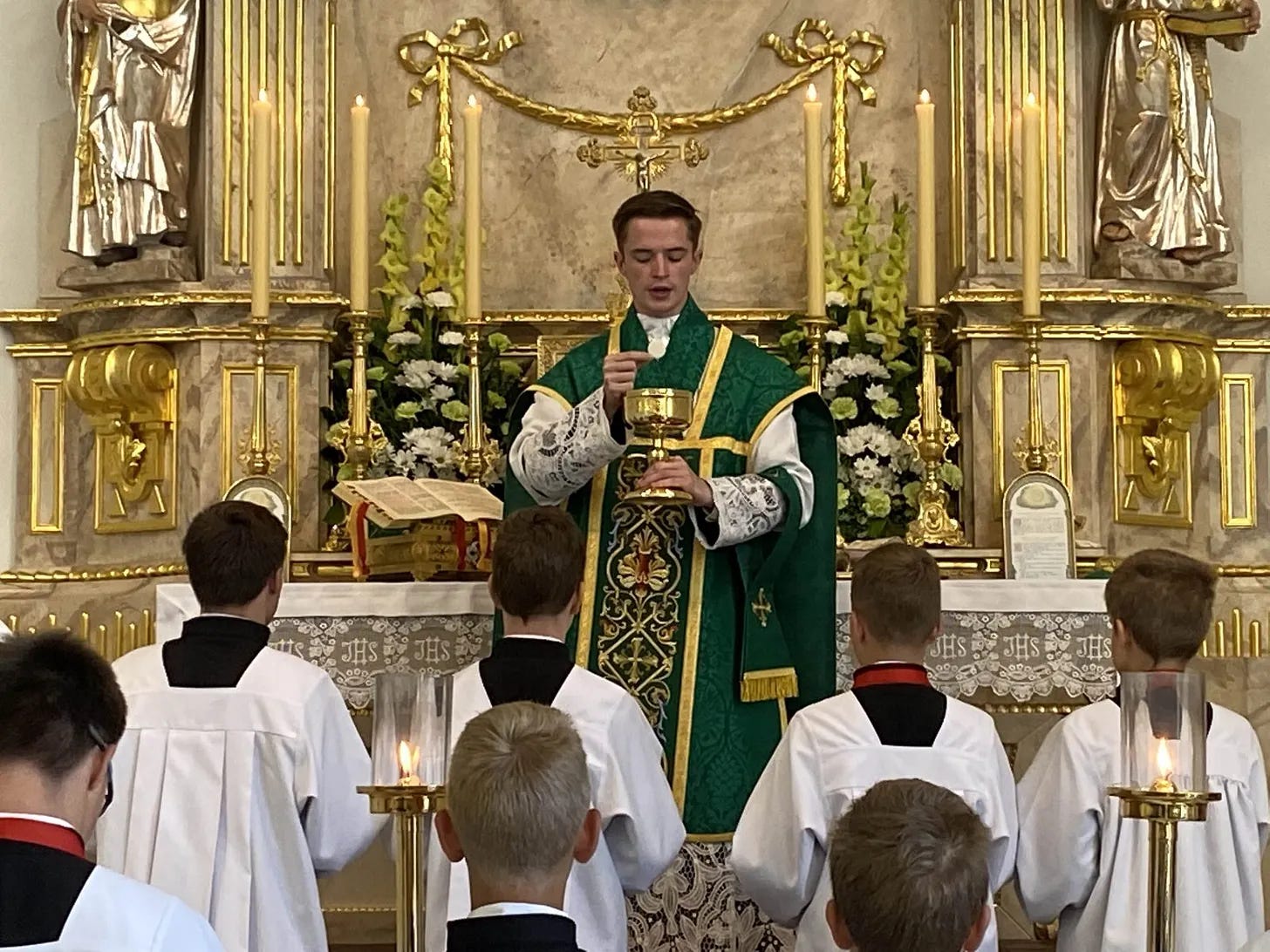
And for some Polish Catholics, that journey began during Covid.
Before the pandemic, weekly Mass attendance in Poland stood at 36.9%
In 2021 it fell to 28.3%. Since then it has remained around 29%, with the longer-term trend still downward.
The ordinary parish had suddenly become much less ‘ordinary’.
Like bishops elsewhere, the Polish bishops adhered to government restrictions. Access to the sacraments was limited. In many places communion in the hand became mandatory(!)
For the Polish Catholic who felt that something was wrong, this created a very simple question:
Where can I still go?
The Society of Saint Pius X already had an answer.
Its chapels had been celebrating Mass in Poland since the early 1990s. The pandemic did not create the network. It simply sent a particular kind of believer toward a door that was already open.
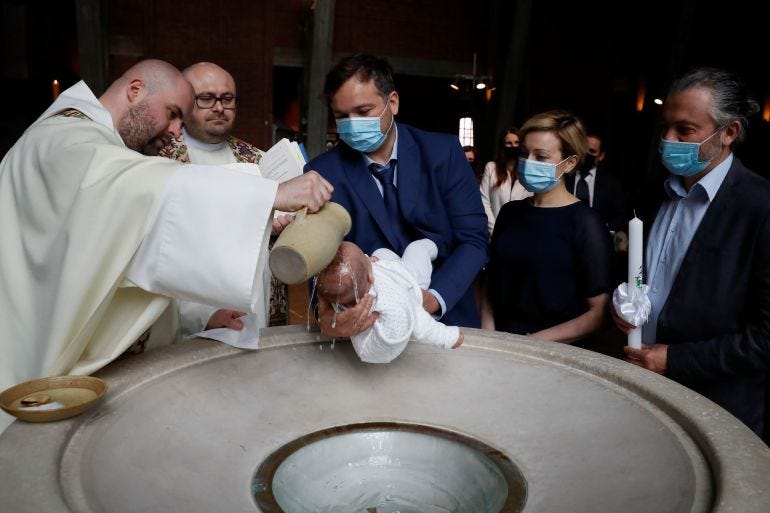
The chapels did not close. There were no capacity limits. And in some places, the number of Sunday Masses was increased.
For Catholics who felt abandoned by their own parish, the SSPX chapel was no longer merely a marginal curiosity.
It was an actual alternative.
In some places, attendance grew by 300% during Covid.
And that matters because the people walking through those doors were not necessarily people who had stopped being Catholic.
Most had become more determined to practise their faith precisely because the ordinary structures around them had become difficult to trust.
The network was already there… waiting for them!
By 2025, the Polish District listed 41 places of Mass inside Poland: four priories and thirty-seven chapels, with three missions under Fr. Karol Stehlin.1
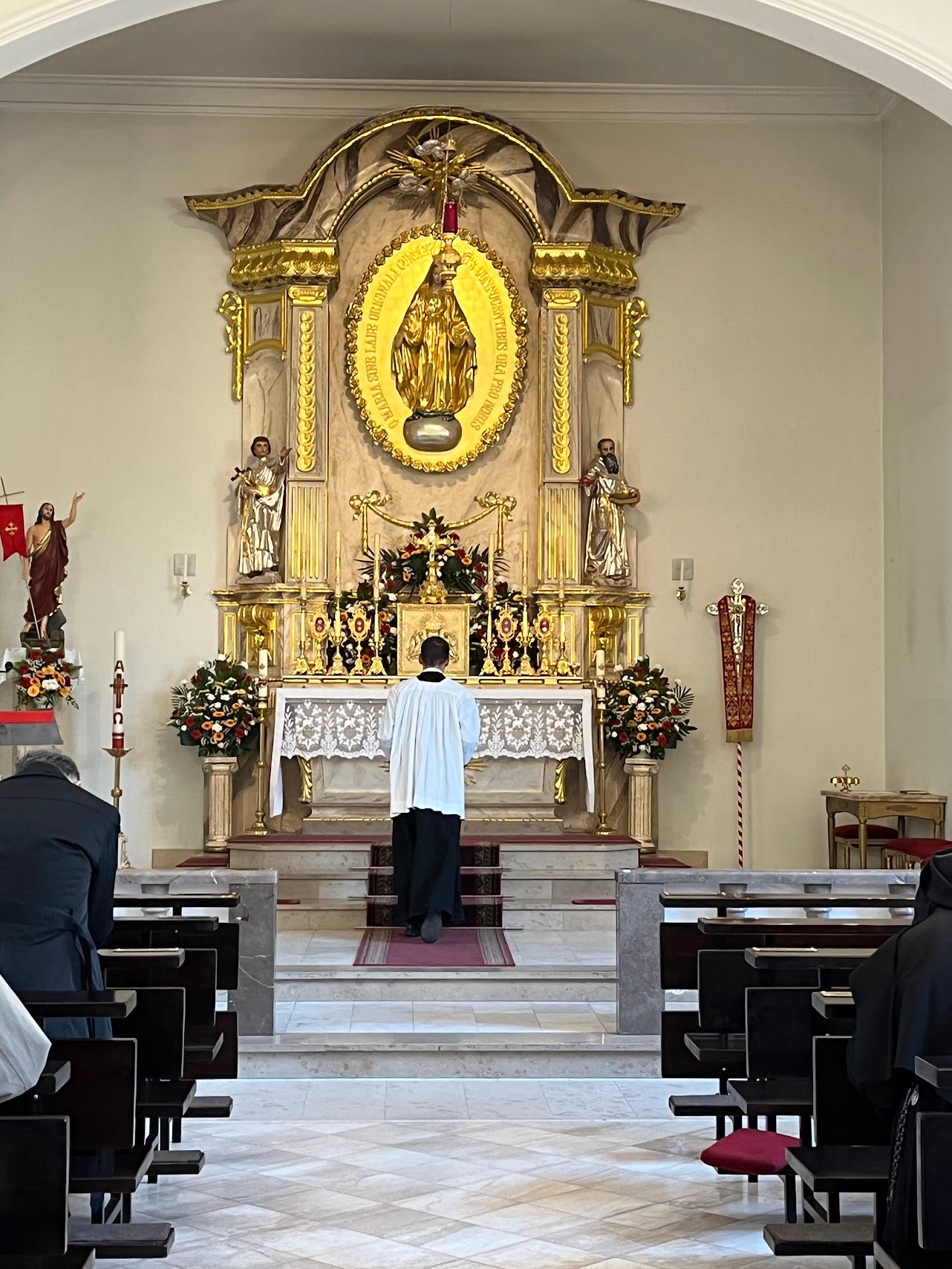
2021, the year Rome shut a door
For years, a Catholic in Poland could attend the old Mass in his own diocesan church, like anywhere else in the world.
But then, in July 2021, that arrangement changed.
Pope Francis issued Traditionis Custodes,2 restricting the use of the Roman liturgy as it existed before the reforms of 1970 and withdrawing the permissions Benedict XVI had expanded fourteen years earlier in Summorum Pontificum.3
Bishops who had let the traditional liturgy run alongside the Missal of Paul VI were told to wind it back. In a lot of dioceses, that meant: to nothing.
Poland felt the logic of that document even where it was applied unevenly…
Because Poland’s religious landscape was never uniform: Tarnów still records Mass attendance above 60 percent, while Koszalin-Kołobrzeg sits below one in five.
That split, already documented in my first essay, is important here.
Strong pockets of traditional attachment existed inside a national Church suddenly under instruction to standardise its liturgical life to the Missal of Paul VI (once more).
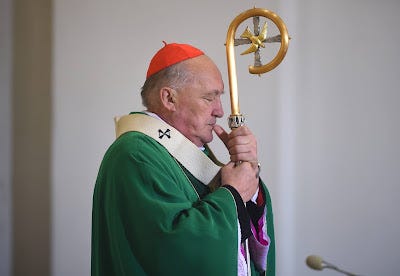
A parishioner in one of those strong pockets, attending the old rite at his own diocesan church for years, was suddenly given two options: accept the New Mass, or find the old one somewhere else.
And as divided as the country is, Poland did not obey uniformly: Some bishops left existing celebrations in place, while a handful suppressed them harshly4. Separate from the SSPX, public directories of bishop-approved 1962 Masses still list more than a hundred sites in Poland. Surprisingly more, not fewer, than in 2021.
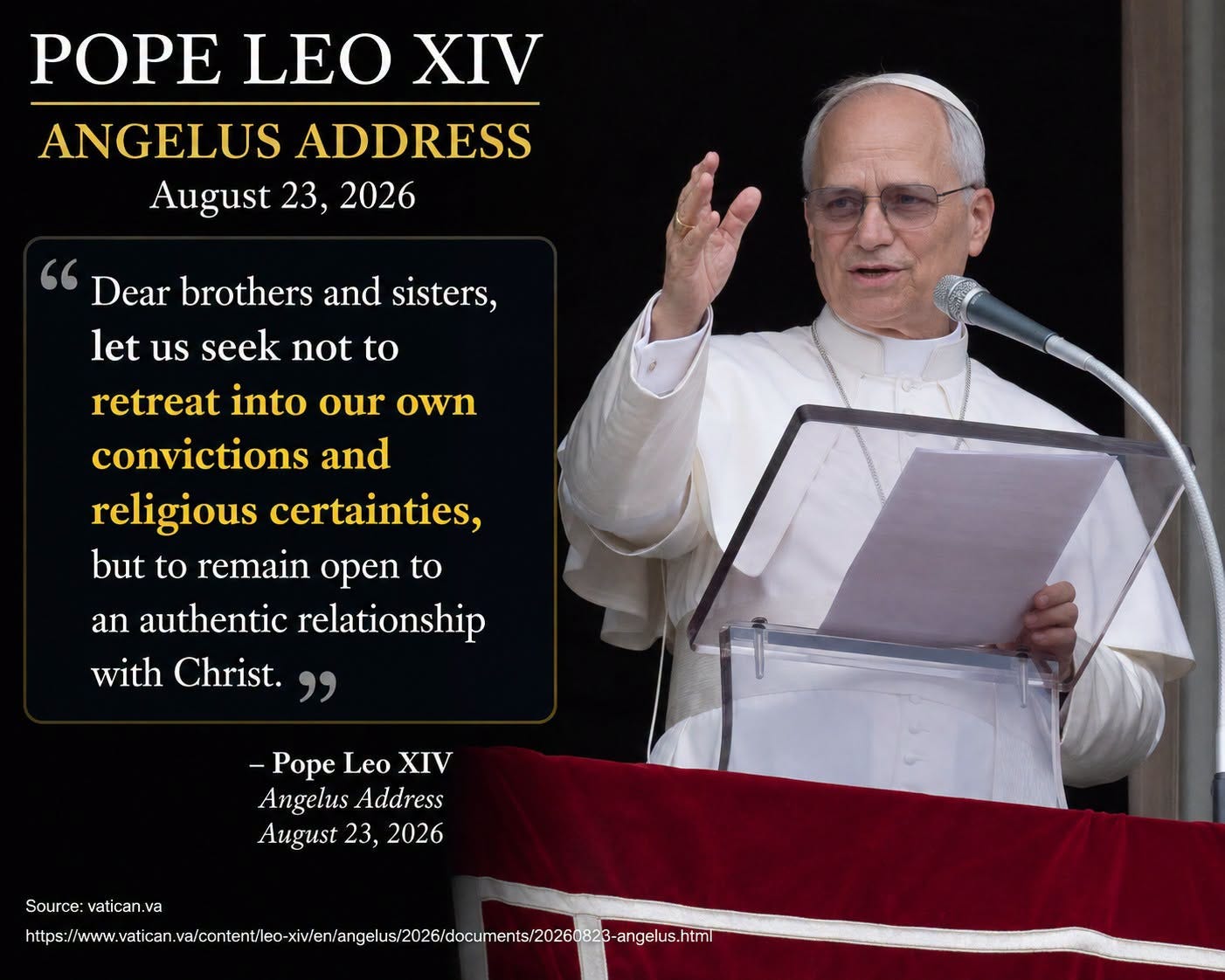
So where did the people go when their local Mass disappeared?
The SSPX chapels were already there. They did not need a decree to keep existing. They needed that disillusioned believer. Remember: every Summorum Pontificum / diocesan TLM (including FSSP, ICKSP, IBP) have TEMPORARY faculties, which can be taken away by a local bishop at any time.
Traditionis Custodes opened the eyes of many Poles for this Sword of Damocles when they saw their local Latin Mass discontinued.
There was another door.
And some people walked through it…
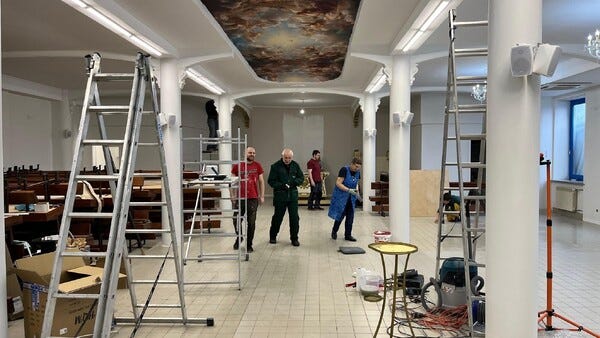
And the growth was enormous: SSPX in Białystok5 outgrew the chapel blessed on 8 December 2021 and consecrated a larger one, still under the title of Our Lady of Mount Carmel, on Palm Sunday 2026. The Tarnów chapel moved from a tent extension to a new chapel. This year Rzeszów blessed their new chapel on 15 August.
Two more reasons, and they are Poland’s own
The 2021 Latin Mass restriction explains some of the traffic. But does not paint the full picture. The SSPX chapels were already receiving people the ordinary parish could no longer hold.
Abuse was the first reason, and it cuts a strange path... For the Catholic who now drives to an SSPX chapel, the scandals from the first essay did not produce indifference. For them it produced a sharpened distrust of the specific Polish bishops who mishandled them, and an unchanged, sometimes hardened, commitment to the sacraments those same bishops are supposed to protect. He is the type of Catholic that does not trust the diocese. Yet still wants the Mass. The ‘Lefebvrist’ chapel was built to receive that person.
Theology is another... The believer who has read Redemptor Hominis, or the Mainz address, or simply absorbed a general unease that a lot has shifted across the last Pontificates, and finds the shifts rather troubling than reassuring, has few places inside the mainstream Church to take his discomfort.
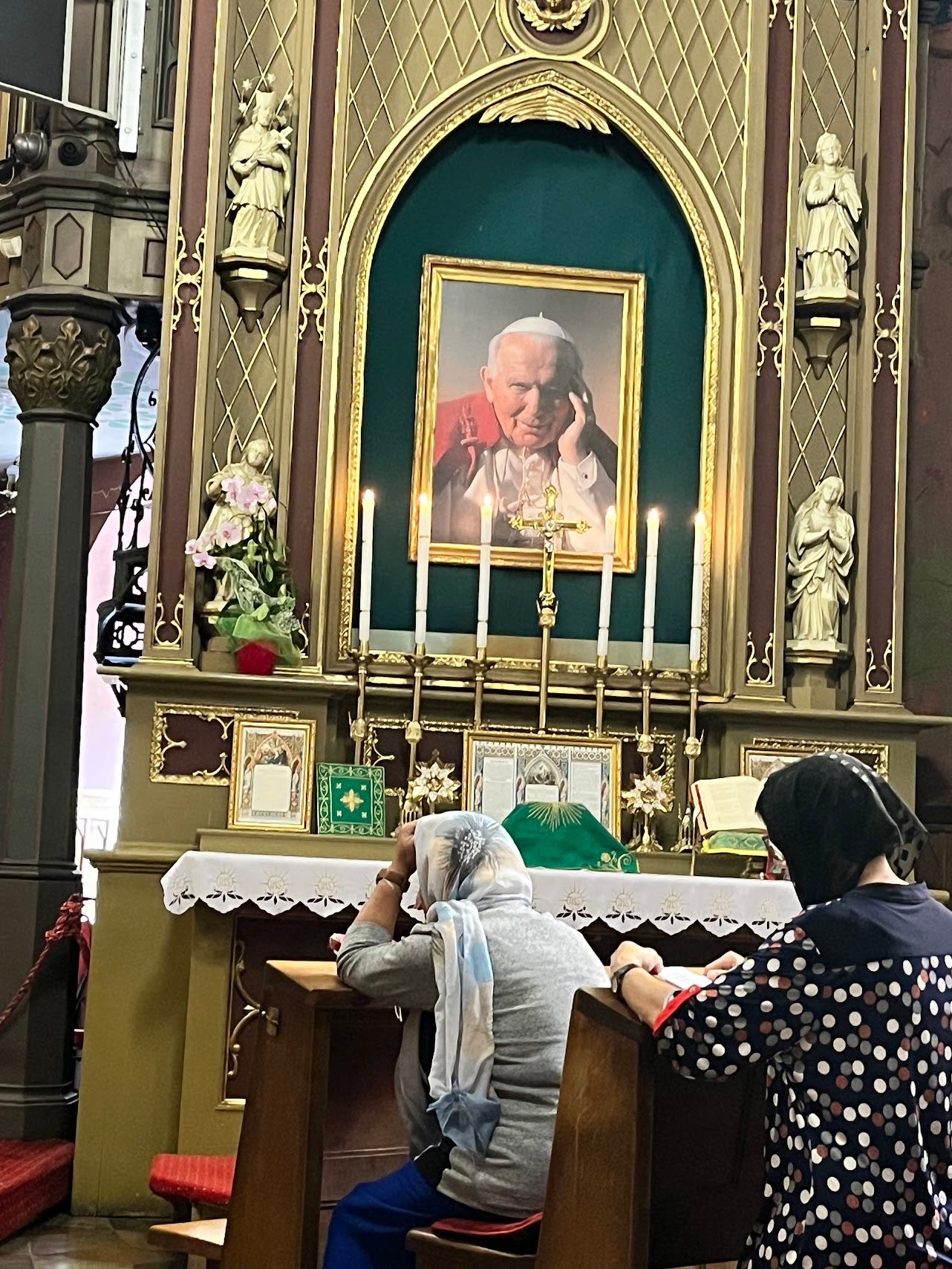
His parish is not going to relitigate Vatican II with him. It probably has a shrine dedicated to the same ‘Saint’ John Paul II in the nave, including to ‘traditional’ ones:
Then thirdly: what sends some of these people out of the parish is older than a fight over one sentence in Mainz. It is an argument printed in Polish since 1997 in Zawsze Wierni: that the Council, and the language of a never-revoked Old Covenant, moved the ground under the necessity of Christ.
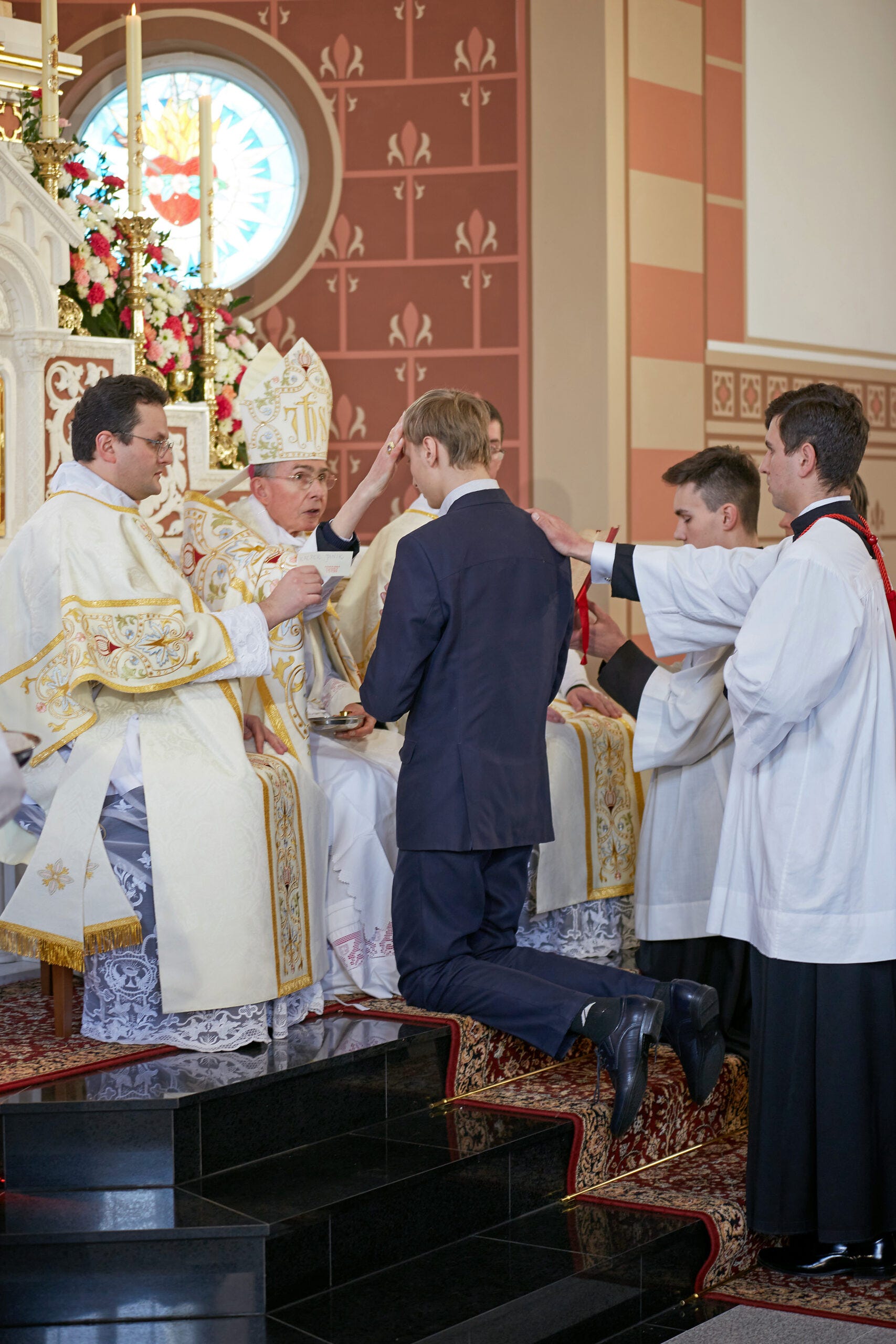
But the growth came not only from disappointed laymen. 13 diocesan priests have crossed as well. The most public case is Fr. Wojciech Gołaski, a Dominican of twenty-eight years’ priesthood, a liturgist who had said the Dominican rite for twelve years.
On 17 August 2021 he wrote an open letter to Pope Francis from Jamna6. Traditionis Custodes, he told the Pope, had informed him that ‘the road he had been walking no longer existed’. He placed himself at the disposal of the Society of Saint Pius X and asked them that his Dominican identity be left intact.
The letter went to the Master of the Order, the Polish provincial, the bishop of Tarnów, and Fr. Stehlin, the superior of SSPX in Poland. A priest telling Rome he was leaving the structure and keeping his rite, because he had no other option.
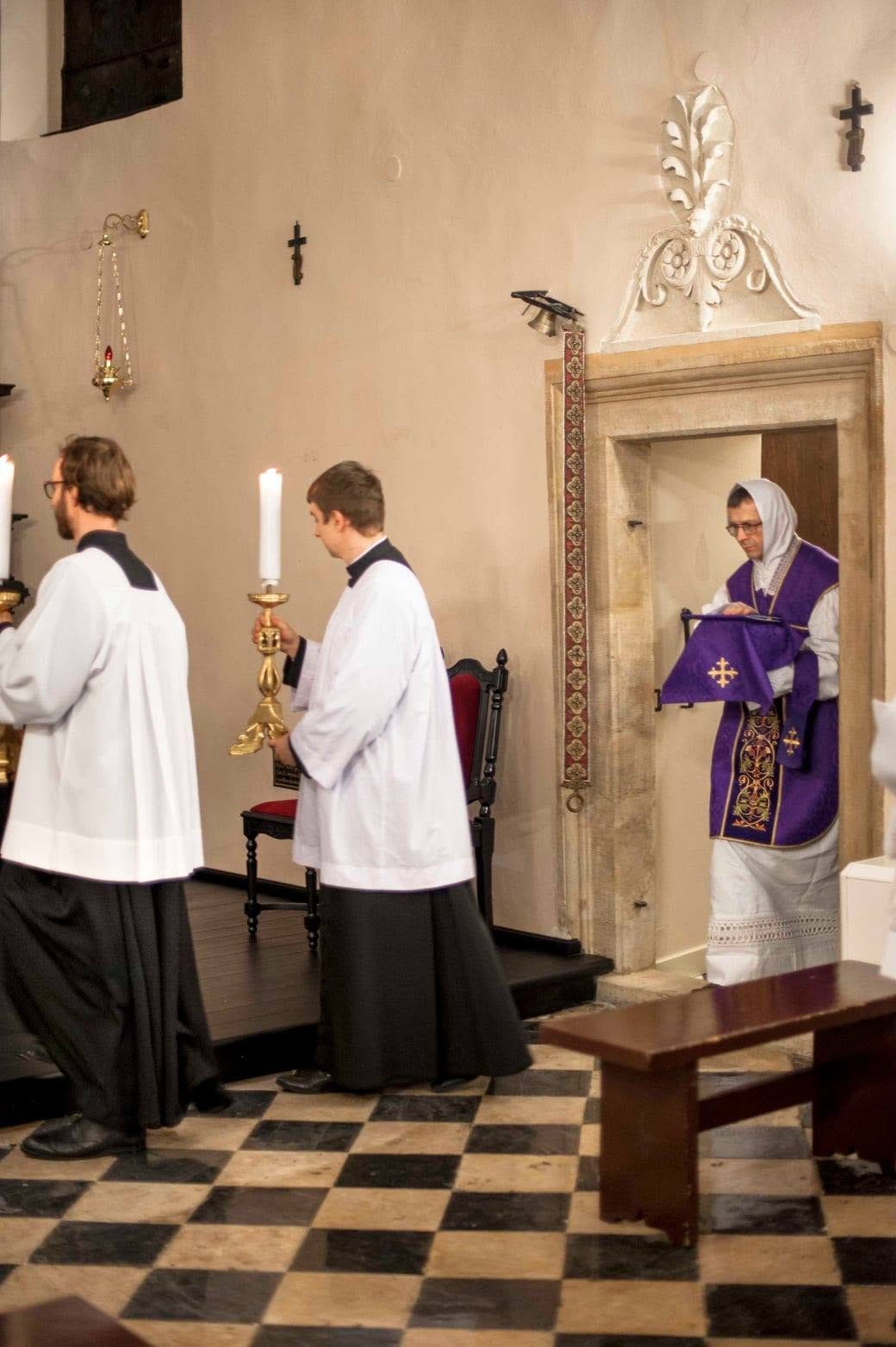
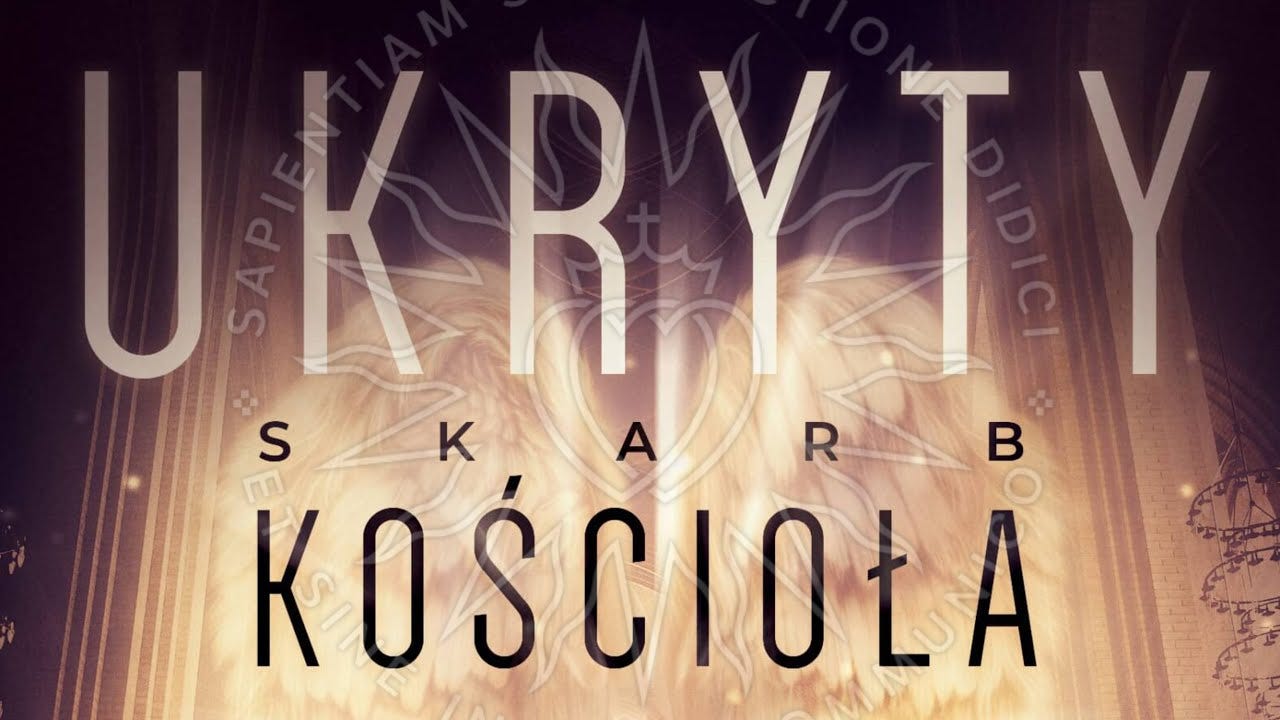
It became clear that this movement was no longer something hidden or anonymous in 2023, when an independent Polish documentary called Ukryty Skarb Kościoła7 (;The Hidden Treasure of the Church’) was released. The film was shared widely online. And it showed how many people started attending the Traditional Latin Mass and, in particular, how ordinary Polish families began going to the chapels of the Society during the pandemic.
The documentary showed that this community was no longer staying out of sight. And it even grew SSPX-chapels in other places in Europe due to local Polish immigrant populations.
The interesting fact is the kind of defection: small, deliberate, made almost entirely of people who cared enough to leave rather than fade.
A parishioner who stops attending Mass makes no statement. He is just gone and out of the game, yet a parishioner who drives forty minutes to a chapel with contested standing inside his own Church does make one.
And this shows up where it matters most: succession. Poland will ordain 196 priests this year, a number my own country (The Netherlands) could dream of. But it is its lowest total this century, with seven dioceses ordaining no one at all.
The small (though growing) SSPX network funds its own work through direct donations, a modest online shop, and the 1.5 percent of personal income tax that Polish taxpayers may assign to a public-benefit foundation.
The vehicle is Fundacja Sancti Iosephi (KRS 0000237527)8. Ironically the SSPX in the Netherlands is also called ‘The Saint Joseph Foundation’ (Stichting Sint Jozef).
The tax assignment alone brought in 296,000 złoty for 2022, 445,000 for 2023, and 525,000 for 2024 (~$140,000). The money goes, among other things, to the St Thomas Aquinas school in Józefów and a kindergarten in Warsaw.
But this tax deduction alone does not run the chapels. The chapels are paid by Sunday offerings and by donations routed through a second foundation, marked for religious worship, which donors may deduct from their income.
Separate public appeals for new churches and chapels have already taken in millions of złoty. More than 3.8 million złoty (~$1 million) toward a Church on the left bank of the Vistula in Warsaw alone.
People who choose the traditional version of their own faith turn out to be people who will pay for it, in a way the comfortable 71 percent never had to.
Conclusion
Thirty-nine sites do not replace the national Church. But do show who still pays.
The monuments in the second essay were a substitute for practice. These chapels are where the practice of the faith, not of the cult, continued: A retreat calendar set a year ahead. A school that has to raise its own wing. And in August 2026, a men’s bicycle pilgrimage from Gniezno to Gietrzwałd: 300 kilometres, three stages.9
To say the SSPX grew in Poland is an understatement. It rather became an undercurrent, which is still growing.
Poland is a country that printed 71 percent Catholic, then failed the attendance test, the communion test, and the ordination test.
Catholic Poland died on the form and in the parish.
What remains is a diocesan zombie church and a smaller, stricter, and harder to find network of Latin Mass chapels.
Poland is the country that forgot those Catholics.
-Robbert
If you liked this series, consider becoming a (paid) subscriber, or make a one time donation.
Bractwo Kapłańskie Świętego Piusa X, Dystrykt Polski. “Statystyka krajów” (2025): Poland — 41 locations. District superior: Fr Karol Stehlin. https://www.piusx.org.pl/dystrykt
APOSTOLIC LETTER ISSUED “MOTU PROPRIO” BY THE SUPREME PONTIFF FRANCIS «TRADITIONIS CUSTODES» - On the Use of the Roman Liturgy Prior to the Reform of 1970 - 16 July 2021 https://www.vatican.va/content/francesco/en/motu_proprio/documents/20210716-motu-proprio-traditionis-custodes.html
POPE BENEDICT XVI APOSTOLIC LETTER GIVEN MOTU PROPRIO SUMMORUM PONTIFICUM ON THE USE OF THE ROMAN LITURGY PRIOR TO THE REFORM OF 1970 - 7 July 2007 https://www.vatican.va/content/benedict-xvi/en/motu_proprio/documents/hf_ben-xvi_motu-proprio_20070707_summorum-pontificum.html
Traditionis Custodes, 16 July 2021. Polish diocesan implementation was mixed. No official national attendance series exists for Society chapels before versus after 2021.
news.fsspx.pl: new Białystok chapel consecrated Palm Sunday 2026; previous chapel blessed 8 December 2021. New chapels in Tarnów and Rzeszów (15 August 2026).
Wojciech Gołaski OP, open letter to Pope Francis, Jamna, 17 August 2021. English text: Rorate Caeli, 10 November 2021, “I must bear witness to the treasure of the holy rites of the Church.” https://rorate-caeli.blogspot.com/2021/11/open-letter-by-dominican-theologian-fr.html
Film dokumentalny o Mszy trydenckiej. Jak moderniści zinfiltrowali Kościół i zreformowali liturgię: Watch on YouTube
Fundacja Sancti Iosephi, 1.5% tax assignment: 296,000 zł (2022), 445,000 zł (2023), 525,000 zł (2024). KRS 0000237527. https://www.piusx.org.pl/wsparcie-1-procent
First men’s bicycle pilgrimage Gniezno–Gietrzwałd, 20 August 2026, ~300 km. news.fsspx.pl.