


In the imperial exam halls of Nanjing, the cells still stand: rows of brick stalls, each one metre wide, no door, a plank for a desk and a plank for a bed.
A candidate entered with his own food, his own oil lamp, and a guard outside who did not know his name, only his number. He sat there for three days, and could not leave.
Men died in those cells, from exhaustion, from cold, from the strain of an exam that decided not just his life but his family’s rank for a generation. Some brought a coffin’s measurements folded into their sleeve, so their body would not disgrace the family by being sent home unprepared.
![China Imperial Examination Museum opens[5]| Photos](https://substackcdn.com/image/fetch/$s_!IRIt!,f_auto,q_auto:good,fl_progressive:steep/https%3A%2F%2Fsubstack-post-media.s3.amazonaws.com%2Fpublic%2Fimages%2Fc85bee40-3947-4cac-bef6-eb7369442053_548x364.jpeg "China Imperial Examination Museum opens[5]| Photos")
The China you were taught to fear are tanks in Tiananmen square, a labour camp, bishops under house arrest, a virus and a cover-up.
But you were not taught the offices that build the 5000-year old civilisation: the examination hall, the ancestral grave, the household ledger that has decided, for two thousand years, who owes whom and until when.
China still makes decisions as if an heir inherits the obligation along with the name. If you were raised to treat binding as the opposite of freedom, that looks cruel.
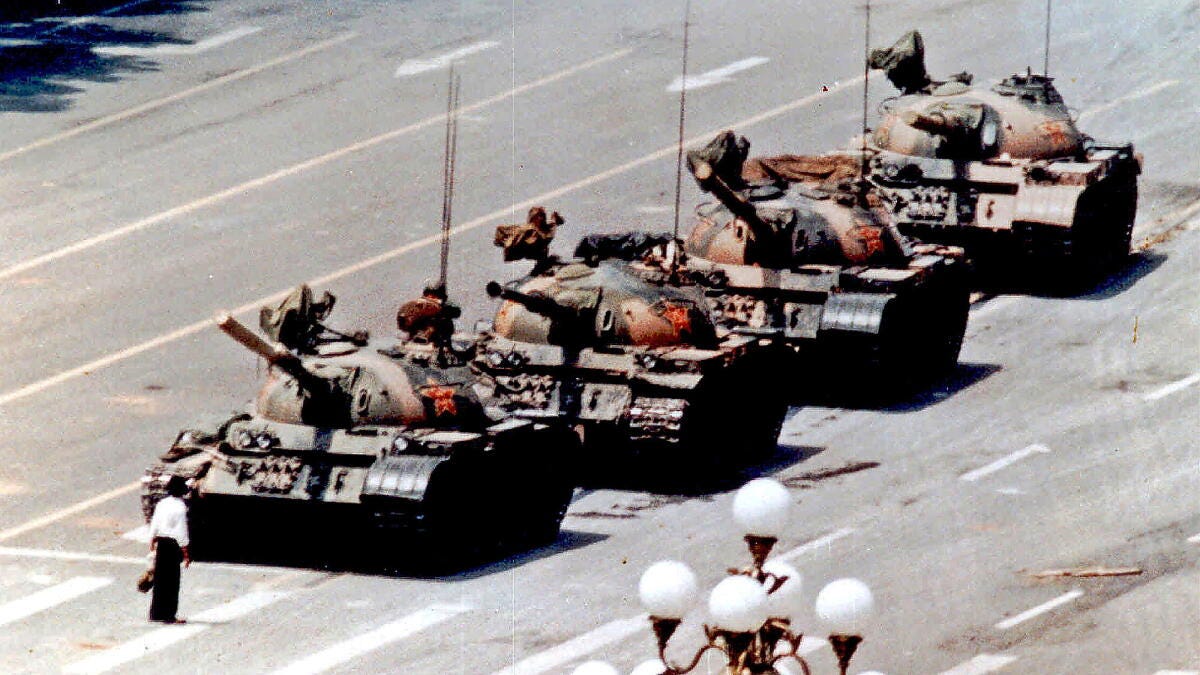
What Westerners were trained to miss
Most people learn the same four facts about China early and never update them: no soul, only the (communist) Party. There is no family, only the collective. A country that does not value life, proven by a death count, a lockdown, a one-child law enforced with force. None of this is false of course, but is missing the machinery underneath.
That machinery is that a household still counts as the basic unit of the state, in law and in feeling. Chinese are still obsessed with schooling. An exam decides a young person’s entire adolescence on a single number, because that number decides which university, which city, which spouse, which grandchildren get born at all.
An ancestor still has a seat at the family table once a year, when it is tended, swept, spoken to. A state behaves atheist on paper, but moves like a clan that cannot be allowed to split.
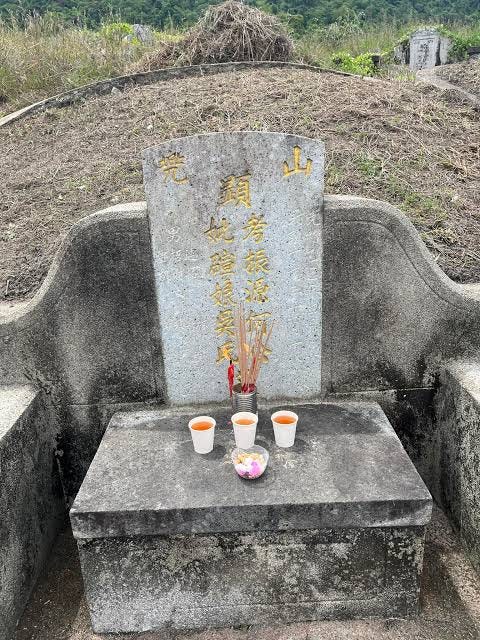
You can hate the Party for what it has done with these facts. You cannot understand what it does without them. When you leave them out, every Chinese decision reads as malice with no cause.
So what are the four offices Chinese civilisation is build on?
Even though four is an unlucky number, since in Mandarin four: sì (四), and the word for death sǐ (死) sound almost identical, these are the 4 pillars of China:
Lineage: A son is still, in most Chinese families, the one who inherits the house, absorbs the parents’ savings, and becomes the one who buries whom. The one-child policy, in force from 1980 to 2015, did not remove this pressure. It concentrated it onto a single child, often a single son, who now carries what three or four siblings once shared.
Examination: The imperial examination cell became, in 1952, the gaokao, the national university entrance exam still sat each June by roughly twelve million students. One sitting of two days, and a score that can lift a household out of a province or sink a young life into a factory town. Families sell property to fund tutoring. Hotels near test centres go silent, construction is halted by local order, so the students inside can concentrate.
Ancestry: Ancestral halls were burned by the thousand during the Cultural Revolution, tablets smashed, lineage books destroyed as feudal filth. Yet the practice returned. Every April, at Qingming, families travel back to clean the graves, burn paper money, and speak to the dead as though they are still owed something. The dead did not vanish from the count. They were removed from it by force, and the force did not hold. An average Chinese can easily trace his family back thousands of years.
Fund: The clan once managed this, pooling land and money across generations so no branch of the family would starve or disappear. The Party took over the function without the form. It behaves like a house that intends not to die, which is why it treats a bishop’s appointment or a Tibetan reincarnation the same way a nervous eldest son treats a will he did not write.
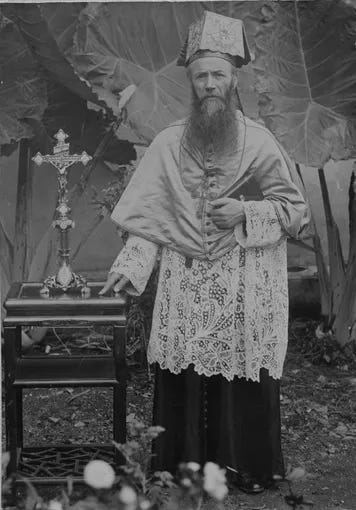
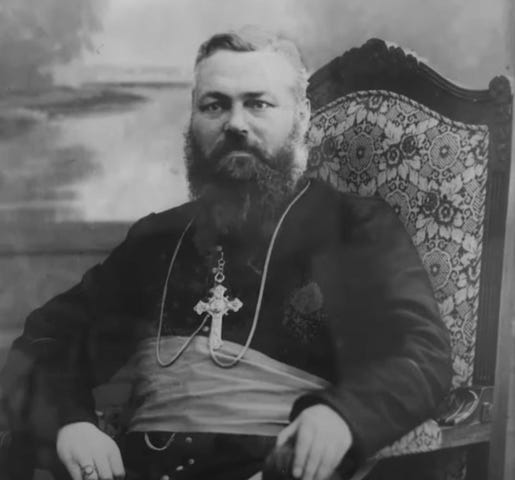
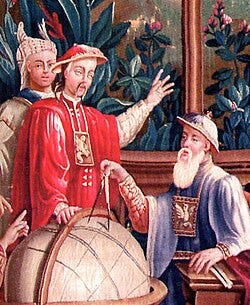
A missionary priest wearing Chinese headwear
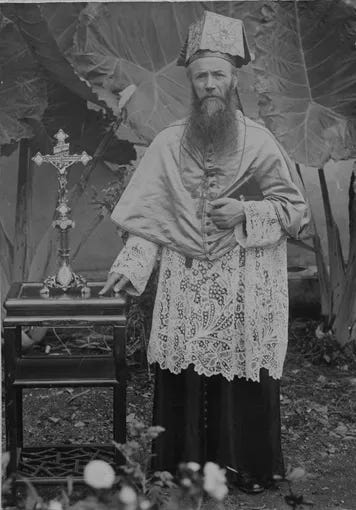
The father outside the family
Much of Confucian China would feel familiar to a Catholic, yet the familiar pieces are arranged around a different centre, the family and the state rather than God, and so they end up meaning something quite different.
Zhengming means ‘getting the names right’. Confucius taught that a society starts to fall apart when people hold titles they do not truly live up to: a king who does not act like a king, a father who does not act like a father, a son who does not act like a son.
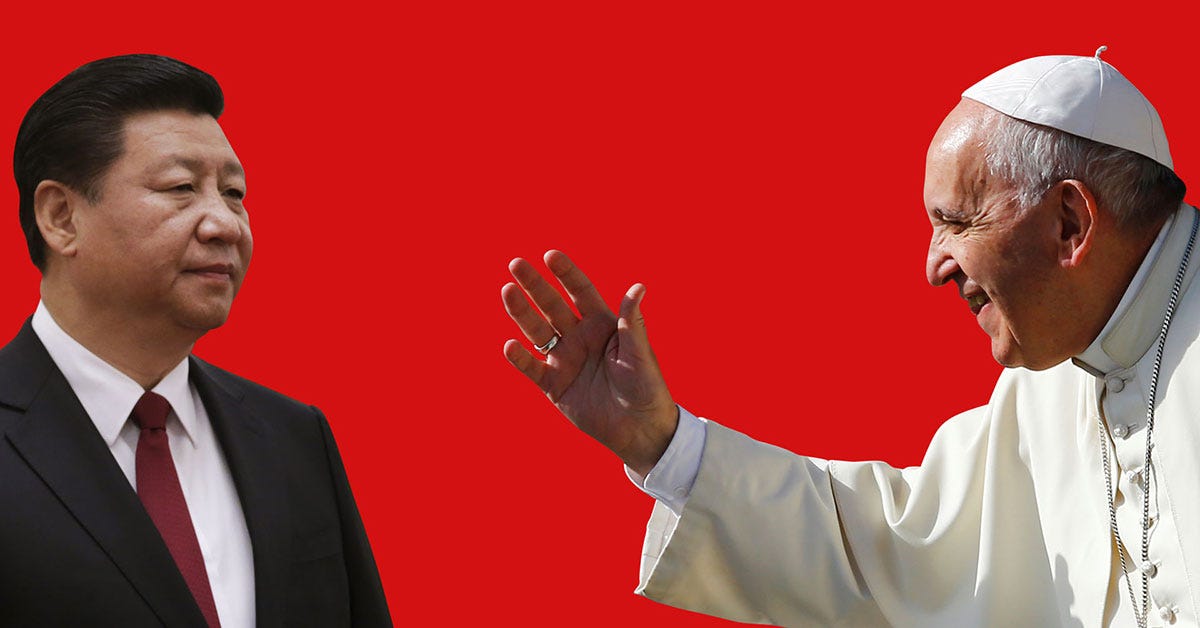
A title is supposed to match the job behind it. If it does not, the rot spreads downward from the top. That is why the Chinese government cares so much about who gets called a bishop.
When Beijing insists that it, and not the Vatican, decides who may use that title, it is following this old rule exactly. To the Chinese state, the wrong person in the wrong office is not a small paperwork problem. It is the danger Zhengming was invented to stop.
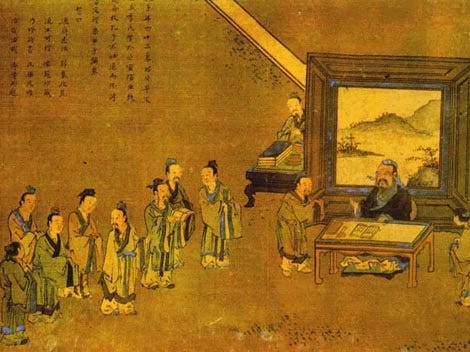
Sangang Wuchang means the Three Bonds and Five Constants. It is an ancient code of relationships, and the Communist Party’s own chain of command still works along its lines. About two thousand years ago, officials of the Han dynasty named three bonds as the ones holding everything up: father and son, ruler and subject, husband and wife.
In each pair, the junior person owes obedience and the senior person owes care, and neither side can simply walk away the way you might quit a club. Seen this way, a citizen who defies the government is not using his rights. He is like a son rebelling against his father. That explains why Chinese state media describes protesters as betraying the family bond, rather than as people who just disagree about a policy.
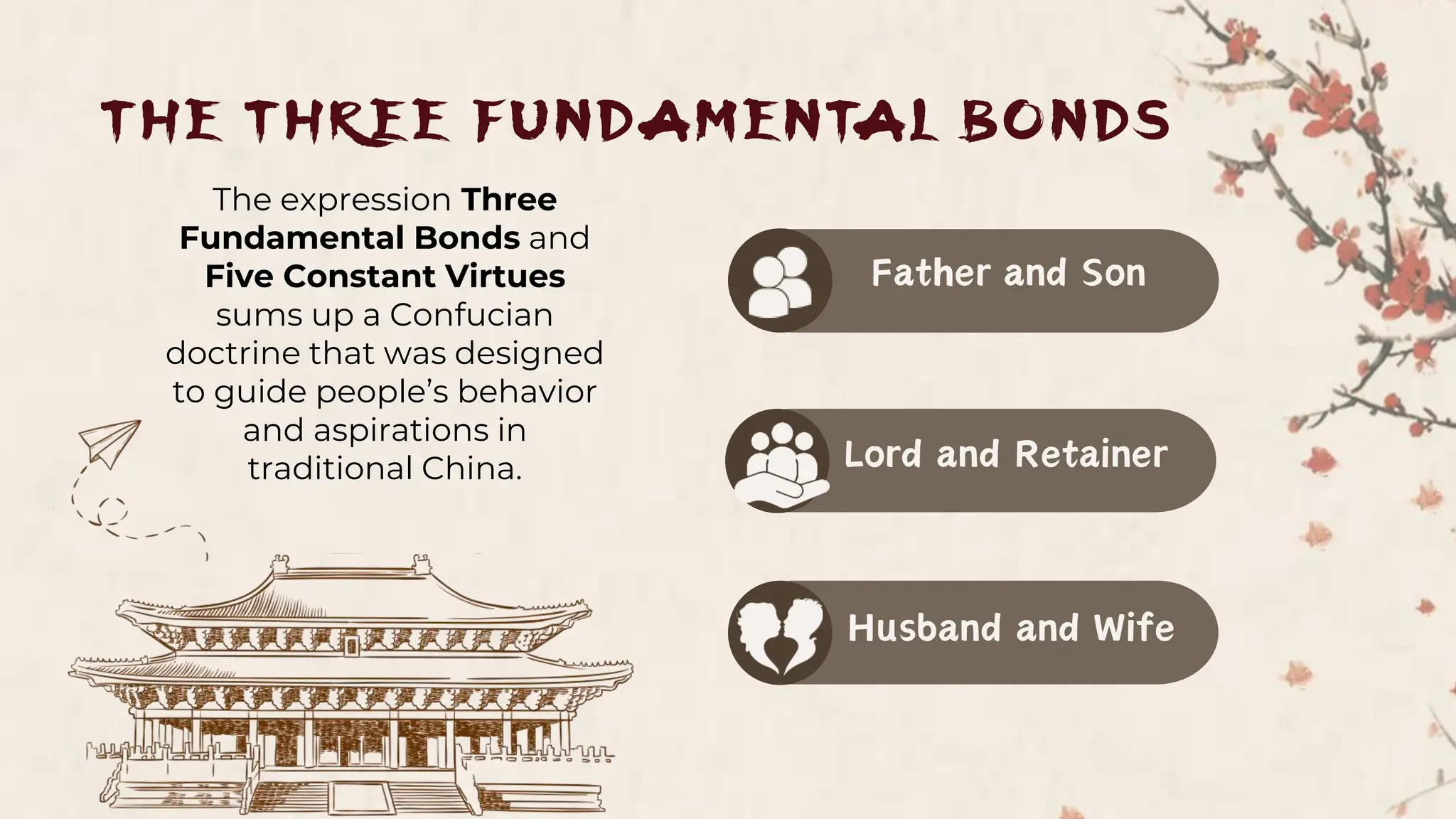
Some of the Five Constants line up closely with Catholic teaching:
Xiao means respecting your parents and praying for relatives who have died, is very close to the Fourth Commandment.
Ren means kindness, which is close to Christian charity, with one difference: it begins with your own family and spreads outward in rings, whereas Christian charity is meant to reach even a stranger straight away.
Yi is doing the right thing simply because it is right.
Xin means keeping your promises, and is much like the ordinary virtues the Church teaches.
Li means doing things in the proper way, and works rather like lex orandi, lex credendi, lex vivendi. It is not just going through the motions: it is how a community stays in step with each other, even among people who will never meet.
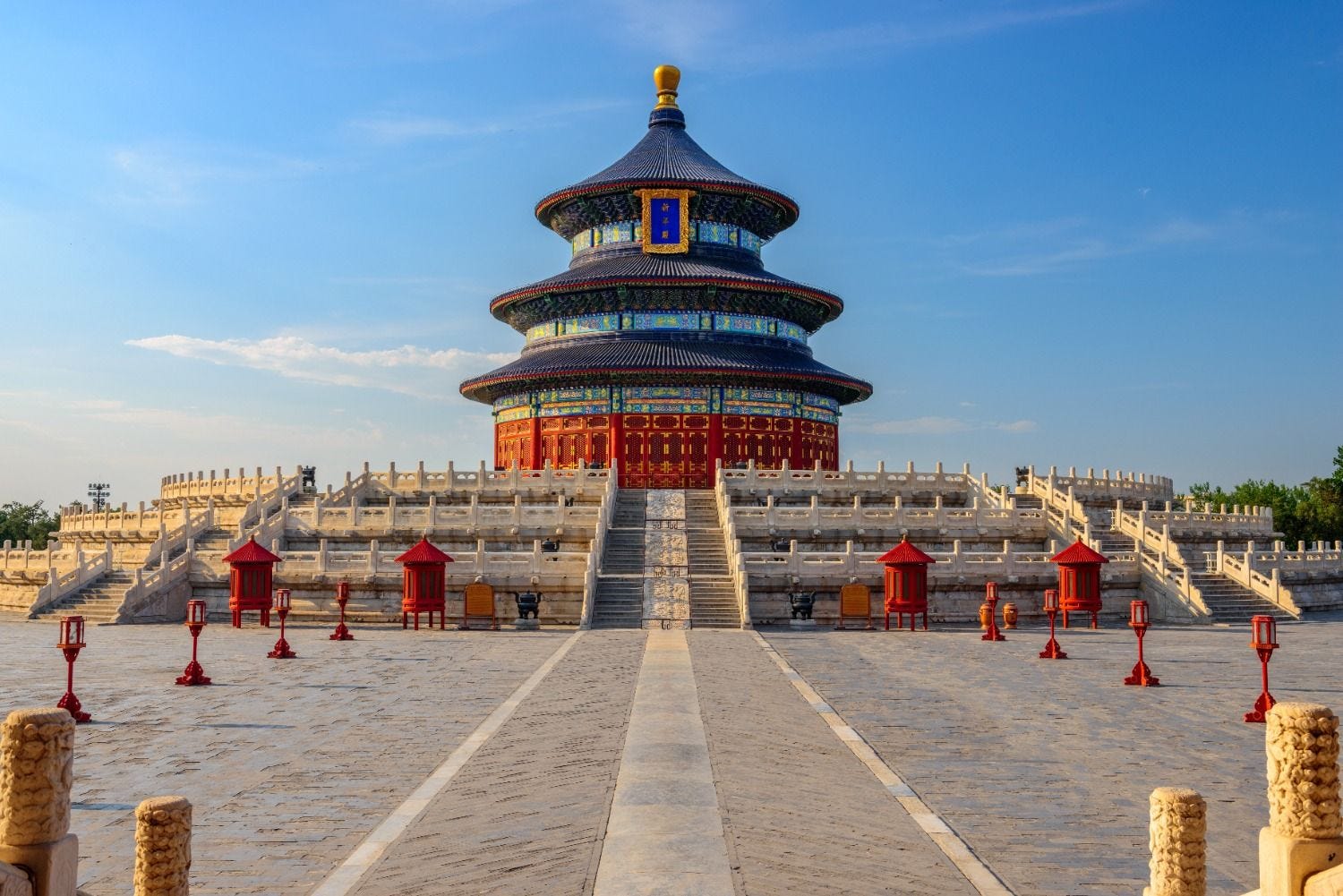
Ganying is the belief that Heaven reacts to how people behave. If a ruler governed badly, the signs appeared in the world itself as floods, famines or uprisings, showing that ‘Heaven’ (God) had stopped supporting him.
Tian, which means ‘Heaven’, is a higher order that the ruler must obey and cannot make up for himself, a bit like the Catholic idea of natural law. The crucial difference is that neither Tian nor Ganying is a person who judges you. Christianity has a Father who does, which the missionaries could easily explain using the Three Fundamental Bonds.
The West used to not be that different: a parish or hospital was funded to last for generations, we said Requiem Masses for someone who died decades ago… all of these exist to keep something good going long after one person’s life.
Chinese families aim for something similar. What differs is who is allowed in. The Church welcomes strangers and converts regardless of family background, from outside all three of those bonds. The traditional family clan does not.
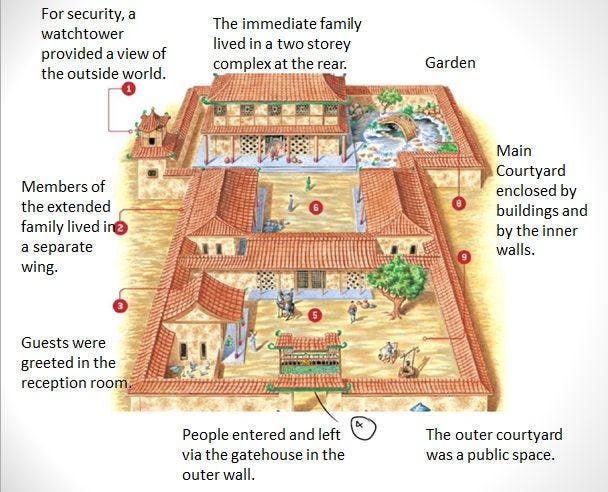
Baptism is where the two systems collide. It gives a person a Father who stands outside every one of those family and state relationships.
In effect, it tells a son that someone his family never chose now has the first claim on his loyalty. That is why a society built on these ideas treats baptism as a threat, controls which priests are allowed to say Mass, and demands that bishops answer to Beijing before they answer to Rome.
The Chinese state recognises what the Church is doing precisely because it understands it so well, and that same understanding is what makes it suspicious.
Why is this system still running?
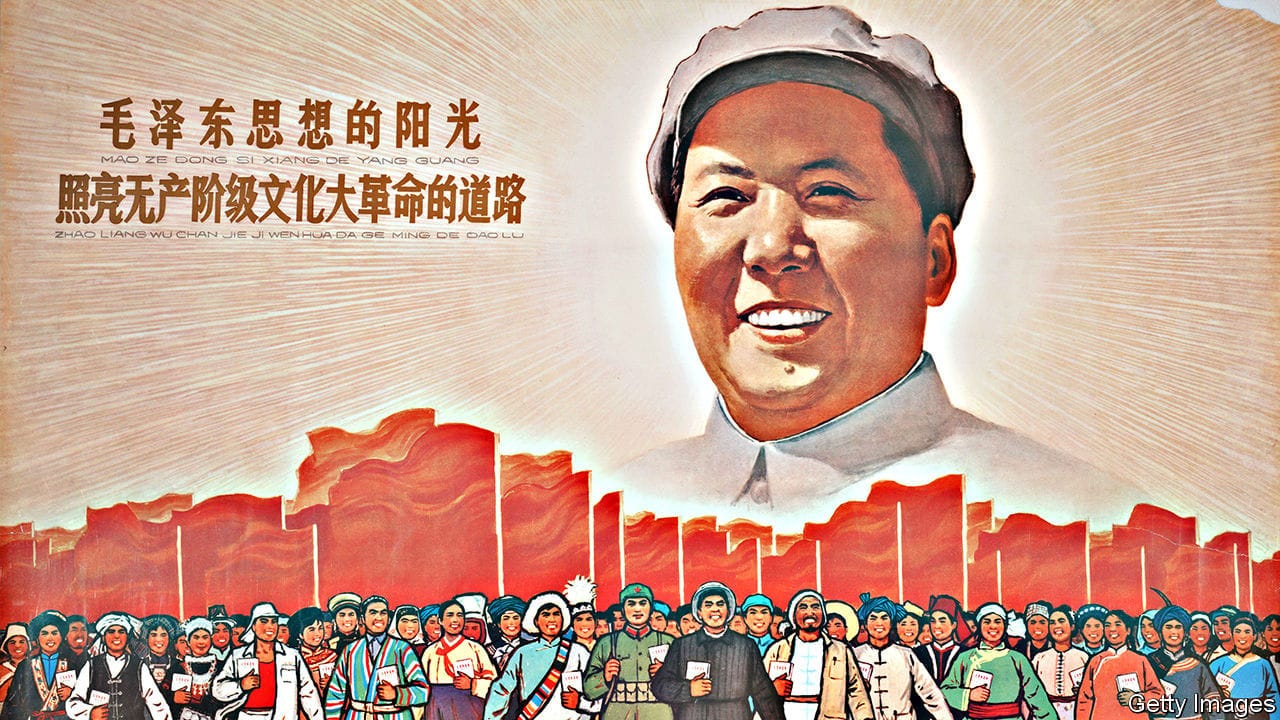
Mao’s campaigns tried to burn this system out. Red Guards smashed ancestral halls, denounced filial piety as feudal, and for a decade came closer than any government in Chinese history to erasing the whole apparatus.
It came back, because a state that governs 1.4 billion people still needs ranks, heirs and a single centre that does not negotiate its own succession. The gaokao returned in 1977. The clan house, the father-son bond, and the ancestral grave came back with it.
The Party runs as the clan that survives all its members: officially atheist, unofficially ancestral.
Why Rome ruined the expansion of Catholicism in China by itself
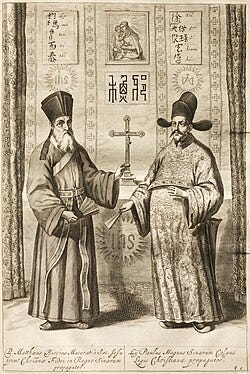
When the Jesuit Matteo Ricci landed in China in 1583 he did not begin with the Gospel. He began by learning the exam. He mastered classical Chinese calligraphy, learned Confucianism, and spent two decades proving to the literati that a foreigner could argue inside their own tradition rather than shout at it from outside.
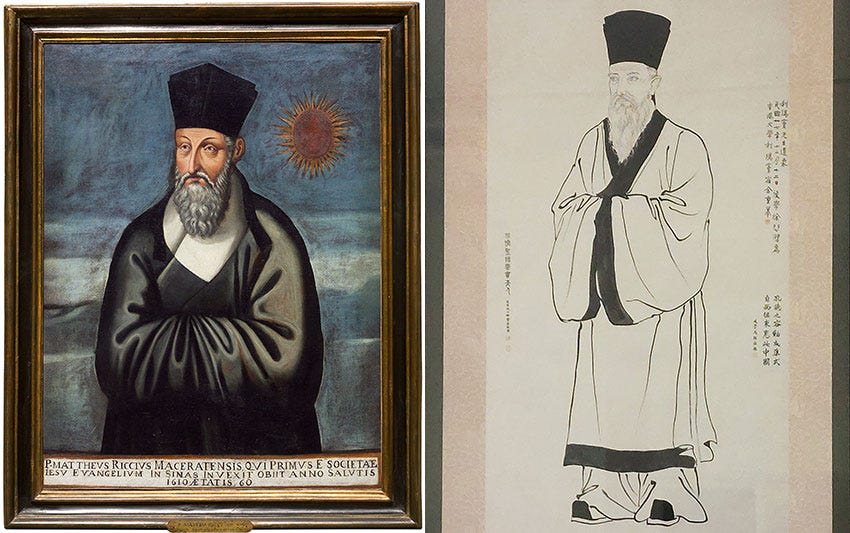
He called the rites paid to ancestors and to Confucius civil customs, not a rival cult, and let converts keep the tablets, the incense, the bows at the family grave. To Ricci this was Zhengming done properly: a rite honouring a father is not the office of a rite owed to God, and pretending they were the same name would be exactly the confusion Confucius had warned against.
It worked. Xu Guangqi, one of the empire’s most senior officials, was baptised in 1603. By 1692 the Kangxi Emperor had issued an edict of toleration, and Jesuits sat inside the Forbidden City running the imperial calendar and mapping the empire’s borders. The literati door was open, and it had taken a century to open it. The same strategy Catholics earlier used to ‘infiltrate’ the Roman senate and emperors.
Franciscans and Dominicans arrived later, mostly through Manila, working parishes among ordinary people rather than court appointments. They looked at the same tablet and saw something else. They had not spent childhoods among mandarins learning to read a bow as etiquette. They saw incense burned before a wooden plaque and called it what it looked like: worship. Their complaint travelled to Rome, and Rome spent decades weighing it.
Clement XI ruled against the rites in 1704 and confirmed the ban in 1715. Benedict XIV closed the question for good in 1742, and required an oath from every missionary in China swearing to enforce it. Rome had made its decision the way Rome makes decisions: by asking whether an image on an altar belonged to God or to an idol, with no third category available for a rite the Chinese had never confused with either.
Kangxi did not receive the ruling as a matter of Catholic doctrine. He received it as a foreign priest in a city he had never seen telling his own subjects how to bury their fathers, a decision that belonged, by every office this essay has already named, to the household and to the state and to nobody else.
He wrote across the decree that the West had shown it understood nothing of China. Within two years of his death in 1722, the court began closing churches. The Dominicans and Franciscans who had argued for the ban discovered too late that the emperor’s fury did not sort missionaries by which side they had taken in Rome’s debate. Every mission closed. Not only the Jesuits’.
This is not a story about Chinese intolerance. It is Rome practising its own Zhengming, in a country that had already perfected the art of getting names right, and getting one wrong.
The distinction Ricci spent thirty years building, between an office owed to a father and an office owed to God, was a distinction Confucius himself would have recognised on sight. Yet… Rome overruled thousands of miles away, on a continent where ancestor and deity had never needed separate offices, because European altars had never had to hold the distinction Ricci was asking Rome to hold.
The door Ricci spent a lifetime opening did not close because China proved unreadable. It closed because Rome, for once, refused to read.
So next time you get mad of China electing its own bishops, this is the reason for that.
—Robbert
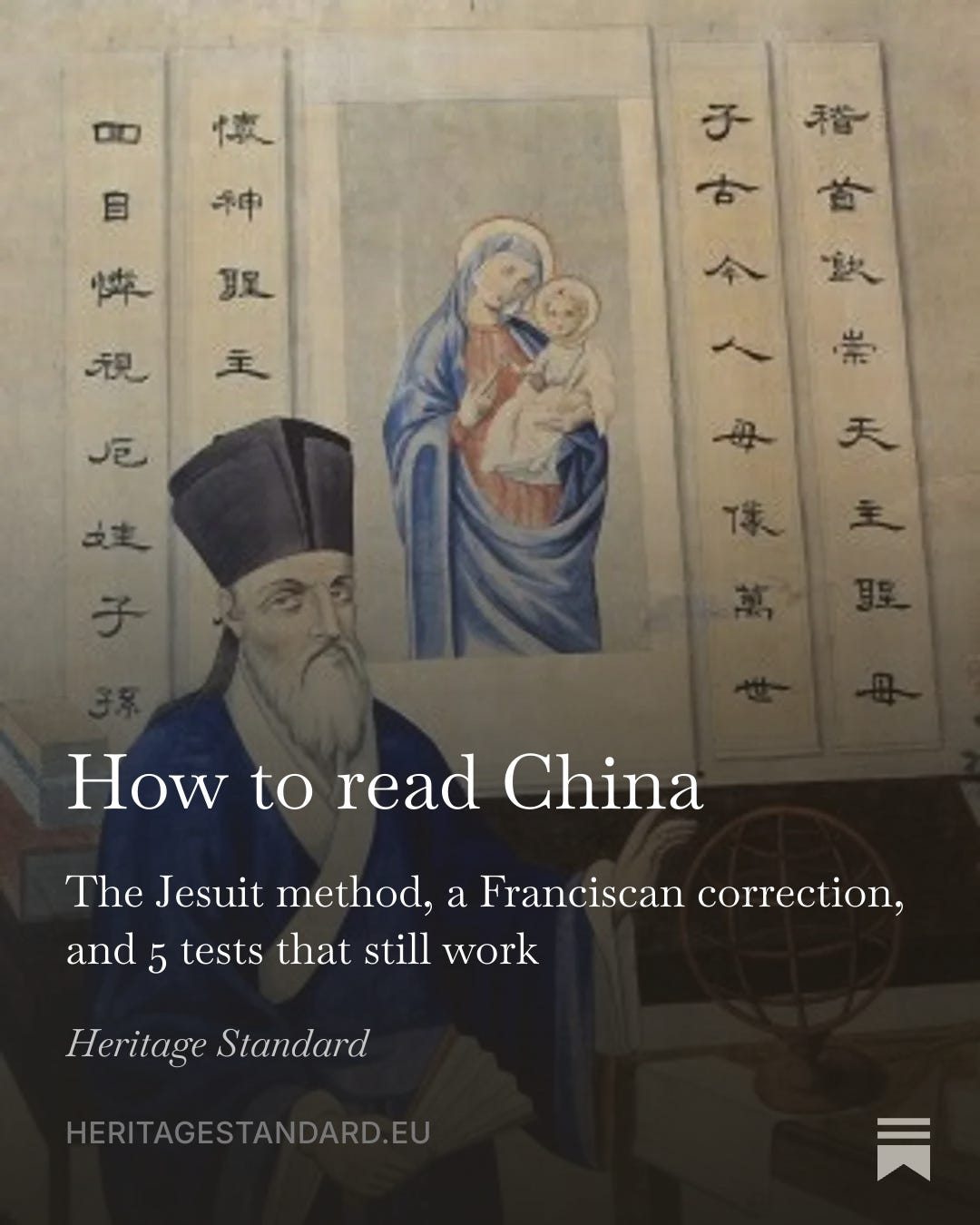
Coming Saturday: How to read China
Jesuit frame. Ricci’s method: how to enter through the literati, learn the exam before you preach, treat ancestor rites as civil form until proven otherwise. It bought access to the Kangxi court, but it also risked turning missionaries into court technicians Rome no longer recognized.
Franciscan frame (the correction:. Friars who worked parishes rather than courts refused Ricci’s civil/sacred split, seeing the same rites as idolatry. Dutch Franciscans in Shanxi, 1871–1954, are the case study: heroic in the collection letters sent home, slow and undersupplied on the ground, slow to hand parishes to Chinese priests.
Dutch frame: The VOC was a company chasing a port, not a mission chasing the calendar, useful as a contrast to what the Jesuits were actually after. The real Dutch warrants are de Rougemont, the Shanxi friars, and Frans Schraven of Lottum, killed in 1937 defending his compound.
Five usable tests: the generation test (can it be explained to a grandson), the rites test (funeral and magistrate before custom vs. cult), the literati door (form travels through cultivated men, or you are a sect), the handoff test (did the parish ever go to a Chinese priest), and the two funds (does home want a martyr poster while the field needs rice and native clergy).
Fascinating!